IDF Says Interceptor Fragments Fell Near Eilat
The IDF said interceptor fragments were found near Eilat after projectiles were launched toward Jordan, with no injuries, damage, sirens, or guideline changes

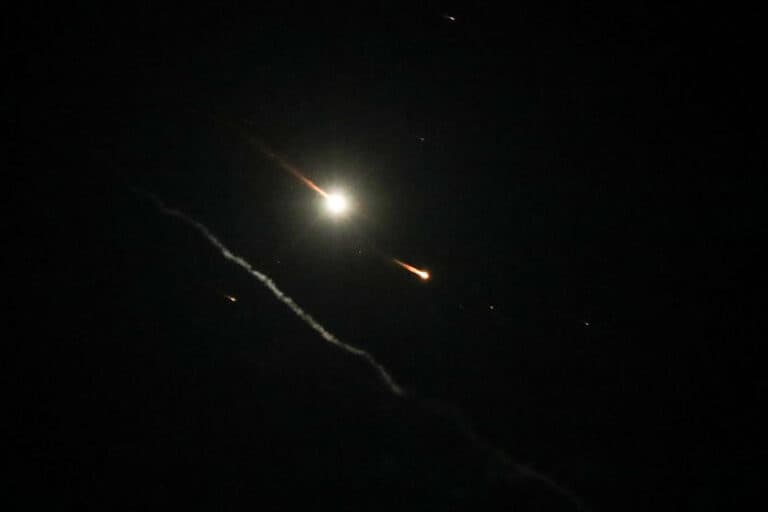
Eilat interceptor fragments were identified in an open area after several interceptors were launched toward missile debris from projectiles fired toward Jordan, according to the IDF.
The IDF Spokesperson said the interceptors were launched to prevent debris from falling inside Israeli territory. As a result, fragments from the interceptors were found near the city of Eilat. No damage or injuries were reported. No sirens sounded, in accordance with protocol. The IDF said the incident has concluded, and there is no change to Home Front Command guidelines.
The Tanakh says, “Indeed, the Guardian of Israel neither slumbers nor sleeps.” That verse captures the meaning of this moment. Even when sirens do not sound, Israel’s defensive systems remain active, watching the skies and guarding civilian life.
Eilat Interceptor Fragments
The incident shows how quickly regional fire can approach Israel’s southern front. Although the projectiles were launched toward Jordan, Israel still had to respond to the risk of falling debris near Eilat. Times of Israel reported that Iranian missiles launched toward Aqaba were intercepted by American air defense systems, while the IDF launched interceptors at fragments that could have threatened Eilat.
That matters because Eilat sits beside Aqaba, at the northern edge of the Red Sea. A launch toward Jordan can therefore become an Israeli security issue within seconds.
For Israeli civilians, the update carried reassurance. The IDF said the incident ended without injuries, damage, sirens, or changes to public safety instructions. However, the event also showed the narrow geography of the threat.
Jordan, Israel, And U.S. Security

This issue connects directly to “U.S. Embassy Warns Americans Away From Aqaba Airport.” The U.S. Embassy warned Americans to avoid Aqaba’s airport and seaport after a credible threat, raising concerns for Jordan, Israel, and U.S. security.
Together, the two developments show why Aqaba and Eilat now sit inside the same regional security picture. Aqaba is Jordanian territory. Eilat is Israeli territory. However, hostile projectiles, missile debris, and attempted interceptions do not respect borders on a map.
For the United States, Jordan’s security matters because American citizens, diplomatic personnel, and regional forces depend on stability there. For Israel, Jordan’s security matters because threats near Aqaba can quickly become threats near Eilat.
In addition, American air defense activity near Jordan reinforces the practical value of U.S. regional presence. It helps protect allies, deter Iran, and reduce the chance that a single launch escalates into a wider disaster.
Watchfulness, Alliance, And Protection
The United States and Israel share a covenantal understanding before God that gives protection, freedom, and national defense a moral purpose.
Both nations believe life must be guarded, both understand that peace requires vigilance, and both know that free societies cannot allow hostile regimes to turn civilian airspace, ports, airports, and border cities into zones of fear.
America helps defend regional airspace and protect its citizens abroad. Israel guards its borders, intercepts threats, and keeps civilians informed without spreading panic. Together, both nations act from the same moral conviction: governments have a duty before God to protect innocent life.
The Eilat fragments caused no injuries. However, the incident still matters. It shows that Israel’s security environment does not stop at the border fence. It includes Jordan, the Red Sea, Iranian missile launches, American defense systems, and the fast decisions made by soldiers in real time.
Ultimately, the IDF’s update points to a larger truth. Deterrence, readiness, and allied coordination are not abstract ideas. They are what keep missile debris from becoming tragedy.
For more stories on Israel, faith, and the values behind the headlines, follow Sinai on Facebook and Instagram.
Discussion0
No comments yet — be the first to share your thoughts.