Arab Election Boycott: Islamic Movement Rejects Knesset Vote
Raed Salah and Kamal Khatib are urging Arab citizens to boycott Israel’s election, challenging Ra’am and the Joint List’s strategies of parliamentary influence
Sinai Desk
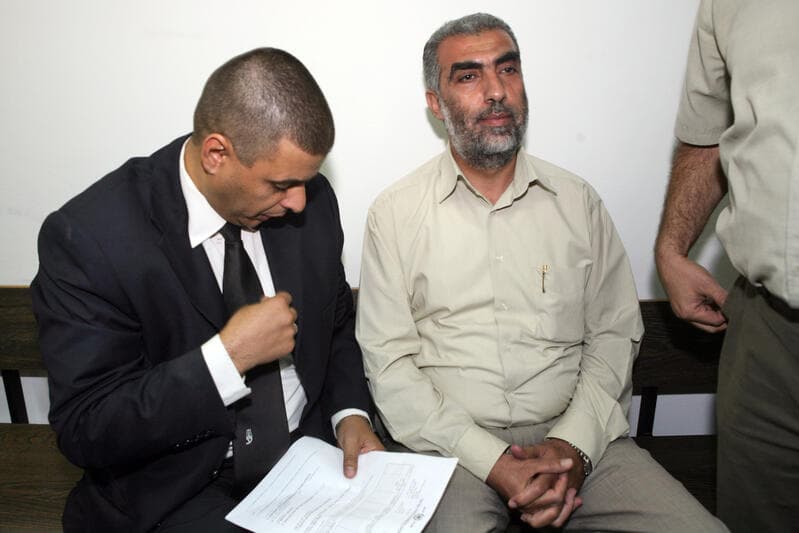
The Arab election boycott debate is intensifying ahead of Israel’s October 27 vote, with senior figures associated with the Northern Branch of the Islamic Movement urging Arab citizens not to participate in the Knesset elections. Sheikh Raed Salah and his deputy, Kamal Khatib, are rejecting both Ra’am’s strategy of influencing government from within and the Joint List’s effort to influence policy from the opposition. Their position has triggered a sharp dispute with supporters of Arab parliamentary participation.
The dispute is not new. The Islamic Movement split in 1996 largely over whether to participate in national elections. The Southern Branch chose parliamentary politics and eventually became associated with Ra’am, while Salah’s Northern Branch rejected Knesset participation as legitimizing Israeli state institutions. Israel outlawed the Northern Branch in 2015, accusing it of incitement and ties to extremist organizations.
Ecclesiastes 4:9 says, “Two are better than one; because they have a good reward for their labour.” The political question now dividing Arab voters is almost the reverse: whether representation inside Israel’s democratic institutions offers influence, or whether participation itself carries a moral cost.
Arab Election Boycott Revives an Old Divide
Khatib has argued that Arab voters who support parties seeking influence over a future government would share responsibility for that government’s actions in Gaza. In one recent post, he warned voters that their ballots could make them morally responsible for future bloodshed, destruction and suffering under a government led by Gadi Eisenkot.
He also compared the current election to 1999, when Ehud Barak defeated Benjamin Netanyahu with overwhelming support from Arab voters. Arab turnout that year was about 76%, and Barak received more than 94% of the Arab vote. Khatib argues that the optimism surrounding Barak ultimately ended in disappointment after the violence of 2000.
Some of Khatib’s historical framing, however, needs qualification. Ariel Sharon visited the Temple Mount on September 28, 2000 under heavy police protection, and violent clashes followed as the Second Intifada began. The causes of the uprising remain disputed and cannot be reduced to a single visit. During demonstrations inside Israel that October, police killed 13 Arab citizens, an episode later examined by the Or Commission and widely regarded as a major rupture in Jewish-Arab relations.
Salah has made a broader argument. According to the current report, he says the difference between politicians such as Itamar Ben Gvir and Benny Gantz is less significant than supporters of parliamentary participation claim. His position remains consistent with the Northern Branch’s long-held rejection of national elections.
Ra’am and the Joint List Choose Participation
The opposing approach is represented by Arab parties that continue to contest elections. Ra’am’s model emphasizes direct participation in coalition politics, while the Joint List seeks influence through parliamentary representation outside government. Both reject the Northern Branch’s conclusion that abstention is preferable.
That debate also forms a striking contrast with “Azmi Bishara Election Call Draws Scrutiny Ahead of Vote.” Bishara, despite his own controversial history, is urging Arab citizens to vote in greater numbers. Salah and Khatib are telling the same electorate that participation itself risks making them complicit in Israeli policy.
The disagreement highlights a basic feature of Israeli democracy that often disappears from outside coverage. Arab citizens can vote, organize political parties and serve in the Knesset, but ideological movements within Arab society disagree sharply over whether using those institutions advances Palestinian interests or legitimizes a state framework they reject.
That choice could matter politically. Arab-led parties may play an important role in coalition arithmetic after October 27, especially if the major blocs remain closely divided. AP has noted that Arab parties could become consequential in a tight result even though leading Zionist parties have expressed reluctance to depend on them in government.
Citizenship, Covenant and the Ballot
Israel’s covenantal mission before God centers on preserving Jewish sovereignty while maintaining a functioning civic state. One test of that sovereignty is whether political disputes are fought through ballots, law and public argument rather than violence or foreign coercion. Arab citizens participating in elections do so within the same national electoral system used by Jewish citizens, even when their parties sharply oppose government policy.
America’s covenantal tradition developed through its own model of constitutional self-government. The American experience likewise treats political participation as a means of contesting policy without abandoning the institutions themselves. That does not erase ideological conflict, but it establishes a framework in which opposing communities can seek influence without resorting to force.
The Northern Branch is making a different argument. Its leaders contend that refusing participation is itself a political and moral act. Ra’am and the Joint List argue through their actions that influence is better pursued inside the political system.
Israeli Arab voters will decide which argument carries greater weight when the polls open on October 27.
For more stories on Israel, faith, and the values behind the headlines, follow Sinai on Facebook and Instagram.
Discussion0
No comments yet — be the first to share your thoughts.