IDF Destroys Hezbollah Tunnel Network Beneath Beaufort
The IDF reportedly destroyed a Hezbollah tunnel network beneath Beaufort using 700 tons of explosives after a Hezbollah ceasefire violation

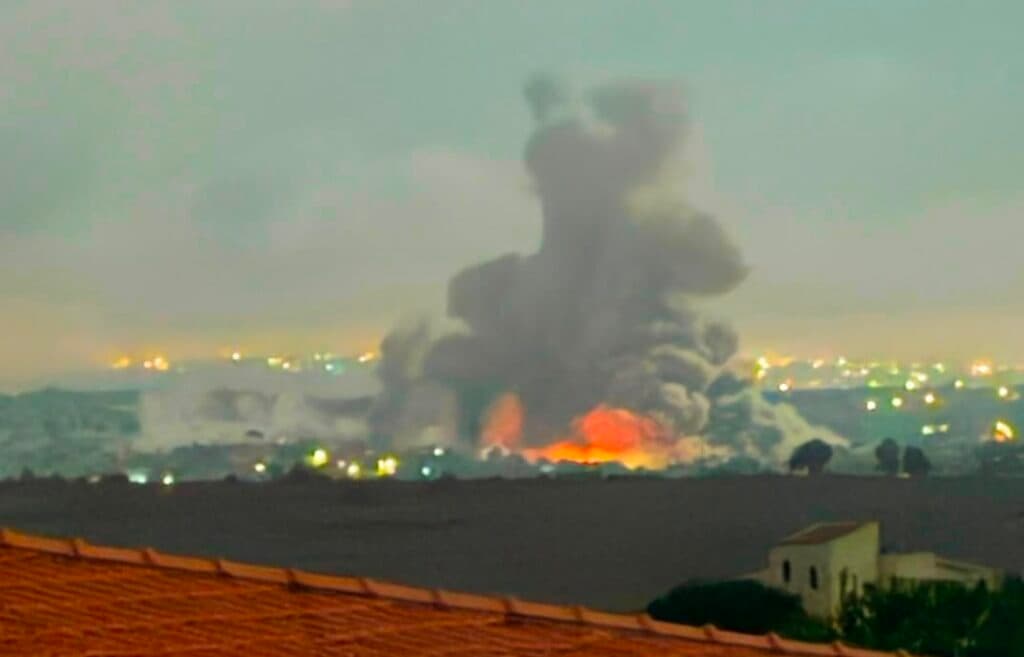
The IDF destroyed a Hezbollah tunnel network beneath Beaufort last night, according to the report, using 700 tons of explosives in a major demolition operation in southern Lebanon.
The reported operation followed Hezbollah’s violation of the ceasefire two and a half days earlier. In that incident, Hezbollah attacked an IDF engineering vehicle with an explosive drone in the Ali al-Taher ridge area.
According to the report, the demolition used 700 tons of explosives.
The Tanakh says, “When you go out to war against your enemies, then the Lord your God delivers them into your hand.” That verse gives this story its frame. Israel does not seek endless conflict, but it must remove the hidden systems built to threaten its people.
Hezbollah Tunnel Network Destroyed
For Israel, the destruction of the tunnel network beneath Beaufort is not only a tactical event.
Hezbollah’s tunnels, launch positions, observation points, and weapons routes form part of the terror infrastructure that has threatened northern Israel for years. When such systems remain in place, every ceasefire becomes fragile. Hezbollah can pause, regroup, and then return to attack when conditions favor it.
That is why the reported use of 700 tons of explosives carries strategic weight. Israel sent a clear message that violations of the ceasefire can carry direct consequences for Hezbollah’s underground military assets.
For northern Israeli communities, the issue is concrete. Families cannot safely return to homes near the border if Hezbollah keeps tunnels and assault infrastructure close to Israeli territory.
South Lebanon And Border Security
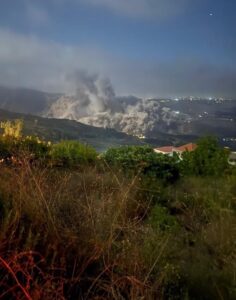
This development connects directly to “IDF Controlled Explosions Increase In South Lebanon.” IDF controlled explosions reportedly increased across southern Lebanon, highlighting Israel’s effort to prevent terror infrastructure from returning near the northern border.
Together, the reports show a broader Israeli effort to change the reality in southern Lebanon. Israel is not only responding to individual attacks. It is trying to dismantle the infrastructure that allows Hezbollah to turn villages, ridges, and underground routes into military platforms.
For the United States, the relevance is also clear. Hezbollah is an Iranian-backed terror army that destabilizes Lebanon, threatens Israel, and undermines any serious effort to restore Lebanese sovereignty. Therefore, every Hezbollah tunnel destroyed weakens Iran’s regional pressure system.
For Israel, the impact is even more direct. Hezbollah’s underground networks are not symbolic. They are built for war, infiltration, concealment, and survival under fire.
Covenant Of Hidden Threats Exposed
The United States and Israel share a covenantal understanding before God rooted in the defense of life, lawful order, and the duty to confront evil before it reaches civilians.
America’s covenantal tradition emphasizes liberty under God, national defense, and the protection of communities from enemies who use terror and coercion. Israel’s covenant is older and unique, rooted in the God of Israel, Torah, Jewish peoplehood, and the return to the land.
Hezbollah’s tunnels represent the hidden war Iran’s proxies wage against Israel: buried routes, concealed weapons, drone attacks, and ceasefire violations disguised as restraint. America understands that deterrence fails when terror groups can strike and then hide behind political ambiguity. Israel’s answer is to expose and destroy the infrastructure before it becomes the next massacre, kidnapping attempt, or border assault.
Ultimately, the reported demolition beneath Beaufort shows that Israel will not allow Hezbollah to rebuild a threat zone under the cover of a ceasefire. If Hezbollah violates the terms, Israel will act against the military system that made the violation possible.
For more stories on Israel, faith, and the values behind the headlines, follow Sinai on Facebook and Instagram.
Discussion0
No comments yet — be the first to share your thoughts.