IDF Controlled Explosions Increase In South Lebanon
IDF controlled explosions reportedly increased across southern Lebanon, highlighting Israel’s effort to prevent terror infrastructure from returning near the northern border

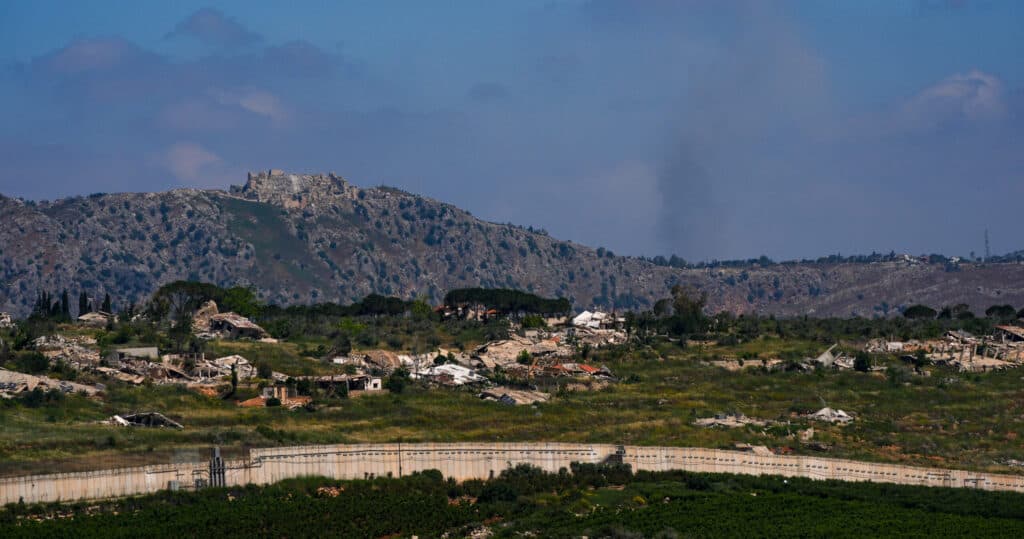
IDF controlled explosions in southern Lebanon have noticeably increased in recent days, according to the report, as Israel continues operating near the northern frontier.
Yesterday, the IDF reportedly carried out controlled explosions in several villages across southern Lebanon. The listed locations included Hadatha, Al-Qasir, Zotar al-Sharqiya, Majdal Zoun, Al-Mansouri, Qantara, Tibnit village, and Talouseh.
The report did not specify the exact targets of each explosion. However, the wider context remains clear: Israel is working to prevent terror infrastructure from reemerging along a border that Hezbollah turned into a forward threat zone for years.
The Tanakh says, “When you build a new house, you shall make a parapet for your roof.” That command gives this story a practical frame. Security is not only reaction after disaster. It is prevention, responsibility, and building barriers before blood is shed.
IDF Controlled Explosions
For Israel, the increase in controlled explosions points to a continued effort to deny Hezbollah and other hostile actors usable ground near the border.
Southern Lebanon is not a distant arena for Israelis. It sits directly across from northern communities that have lived under rocket fire, anti-tank missile threats, infiltration risks, and prolonged displacement. Therefore, every tunnel, weapons cache, observation point, and fortified position near the border carries direct civilian consequences.
Controlled explosions also send a message. Israel is not waiting for Hezbollah to rebuild the same threat structure under a new name or a temporary pause. It is acting to remove dangers before they become the next attack.
For the United States, this matters because Hezbollah is not only an Israeli problem. It is an Iranian-backed force that destabilizes Lebanon, threatens U.S. interests, and weakens any serious path toward Lebanese sovereignty.
Lebanon, Hezbollah, And U.S. Policy
This issue connects directly to “Rubio Backs Lebanon Push To Disarm Hezbollah.” Rubio met Lebanese President Joseph Aoun in Washington and backed Lebanon’s efforts to restore sovereignty, recover economically, and disarm Hezbollah.
That diplomatic track and Israel’s military activity point to the same central question: who controls southern Lebanon? If the Lebanese state controls weapons, borders, and decisions of war and peace, Lebanon has a path toward recovery. If Hezbollah retains armed dominance, then Lebanon remains trapped between Iranian strategy and Israeli security necessity.
For Washington, backing Lebanese sovereignty means more than encouraging dialogue. It means supporting a regional order where terror armies do not hold states hostage. For Jerusalem, the test is immediate. Israel cannot rely on promises if armed groups remain close enough to threaten its civilians.
Covenant Of Guarded Borders
The United States and Israel share a covenantal understanding before God rooted in the defense of life, ordered liberty, and the responsibility to protect communities from violence.
America’s covenantal tradition speaks of freedom under God and the duty of government to secure the lives of its citizens. Israel’s covenant is older and unique, rooted in the God of Israel, Jewish peoplehood, Torah, and the return to the land.
America understands that sovereignty means controlling territory, weapons, and lawful authority. Israel understands that Jewish life in the north cannot depend on Hezbollah’s restraint or Iran’s calculations.
The increase in controlled explosions is therefore not only a tactical detail. It reflects Israel’s broader insistence that the northern border cannot return to the conditions that enabled Hezbollah’s war machine.
Ultimately, Lebanon’s future depends on disarming Hezbollah, restoring state control, and preventing southern villages from serving as military platforms against Israel. Until that happens, Israel will continue to act where threats rise.
For more stories on Israel, faith, and the values behind the headlines, follow Sinai on Facebook and Instagram.
Discussion0
No comments yet — be the first to share your thoughts.