Huckabee Praises Israeli Resilience Under Siege
Mike Huckabee praised Israeli resilience, saying Israelis refuse to surrender to siege or threats and instead remain prepared to defend themselves
Sinai Desk
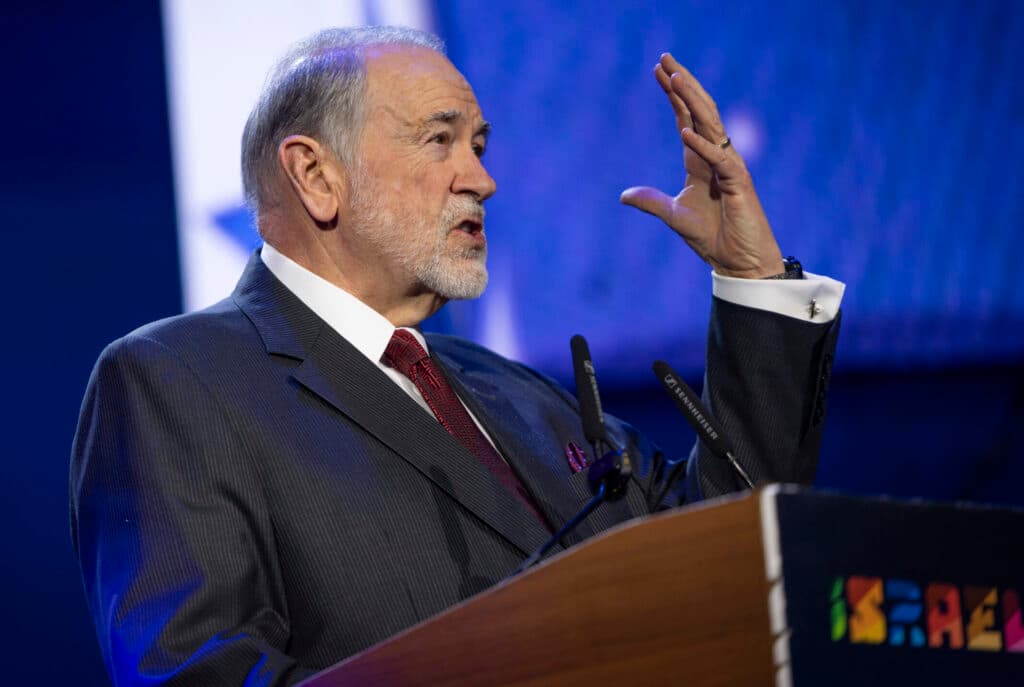
U.S. Ambassador to Israel Mike Huckabee praised Israeli resilience, describing a society that responds to repeated threats with determination rather than despair. Huckabee said Israelis understand the dangers around them but refuse to define themselves through victimhood. Instead, he portrayed their response as one of readiness and self-defense.
“The Israelis are a people with extraordinary resilience,” Huckabee said. “They don’t have that attitude of ‘Oh no, look at us, we’re under siege.’ They say: ‘Okay. We’re under siege. Okay. They’re trying to kill us, but we’re ready for them... We’ll fight back fiercely.’”
Psalm 18:40 declares, “Thou hast also given me the necks of mine enemies; that I might destroy them that hate me.” The verse belongs to David’s song of deliverance after surviving enemies who sought his destruction. Its message is not that danger disappears, but that survival requires the strength to stand when danger arrives.
Israeli Resilience Through Years of War
Huckabee’s remarks reflect a theme he has emphasized repeatedly during his tenure in Israel. After Israeli passengers helped prevent a suspected terrorist attack aboard a flydubai flight in September, Huckabee praised what he called their “heroism in the face of terror.” He said Israel endures because its people “refuse to surrender” and described the country as a true American partner.
That outlook has taken on particular weight after years of war and repeated attacks. Israeli communities have endured the October 7 massacre, prolonged rocket fire, hostage-taking and threats from multiple Iranian-backed fronts. Huckabee’s statement focuses on the public response to that pressure: acknowledging the threat while refusing to allow it to dictate national life.
Resilience does not mean Israelis are unaffected by war. Families have lost relatives, communities have faced evacuation and soldiers continue carrying the burden of national defense. Huckabee’s point is instead about how Israeli society responds when confronted by danger: preparing to defend itself rather than accepting helplessness.
That distinction also shapes how Israel views international pressure on its security policies. When allies criticize Israeli decisions, Jerusalem frequently argues that outside governments do not face the same immediate threats confronting Israeli civilians. The debate becomes especially sharp when those governments impose measures against Israel while the country remains engaged with hostile forces across the region.
Huckabee’s Defense of Israel Abroad
That tension appeared last month in “Mike Huckabee Questions UK Sanctions on Judea and Samaria.” Huckabee challenged Britain’s decision to restrict trade connected to Israeli communities in Judea and Samaria. He asked why London was placing such pressure on Israel and questioned whether Britain applied similarly forceful measures elsewhere.
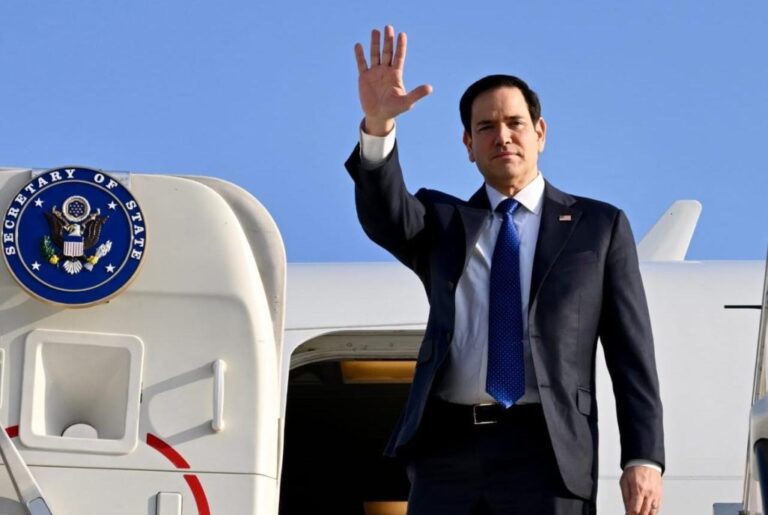
The United States ultimately declined to join the British measures. Secretary of State Marco Rubio said Washington would not participate in the settlement sanctions, while also stressing the administration’s interest in maintaining stability in Judea and Samaria.
Huckabee has also drawn a distinction between defending Israeli communities and condemning violence by individuals. During a September visit to Turmus Ayya, he denounced attacks against Palestinians and said those responsible should be treated as terrorists. At the same time, he argued that such actions came from a minority and should not define Israelis living across Judea and Samaria.
That distinction helps explain the broader worldview behind his latest remarks. Huckabee has presented support for Israel not as unconditional approval of every act by every Israeli, but as support for a country facing sustained threats while retaining the right to defend itself.
The issue carries direct importance in Washington. Israel remains one of America’s closest strategic partners in the Middle East, while both countries face threats connected to Iran and its regional network. Public perceptions of Israeli resilience therefore influence more than morale. They also shape debates over military assistance, deterrence and the durability of the U.S.-Israel alliance.
Strength, Covenant and the Refusal to Surrender
Israel’s covenantal mission before God carries a particular responsibility to preserve Jewish life and sovereignty in the Land of Israel. Jewish history contains long periods in which communities lacked the military power to defend themselves. The modern Jewish state fundamentally changed that reality by placing responsibility for Jewish defense back into Jewish hands.
America’s covenantal tradition developed differently. Its national story emphasizes liberty, self-government and the willingness to defend those institutions when threatened. The American partnership with Israel brings those two traditions together where sovereignty and national defense are concerned, even when the two governments disagree over particular policies.
Huckabee’s description focuses precisely on that instinct. Israelis do not deny that enemies exist or pretend that repeated attacks carry no cost. His argument is that they refuse to make vulnerability the final chapter of the story.
That resilience has become one of the defining features of Israel’s experience since October 7. Mourning and rebuilding continue alongside military readiness, family life and national recovery. Huckabee’s message was simple: siege may describe the threat surrounding Israel, but it does not define how Israelis respond to it.
For more stories on Israel, faith, and the values behind the headlines, follow Sinai on Facebook and Instagram.
Discussion0
No comments yet — be the first to share your thoughts.