Iran Claims New Hormuz Route Would Pass Through Its Waters
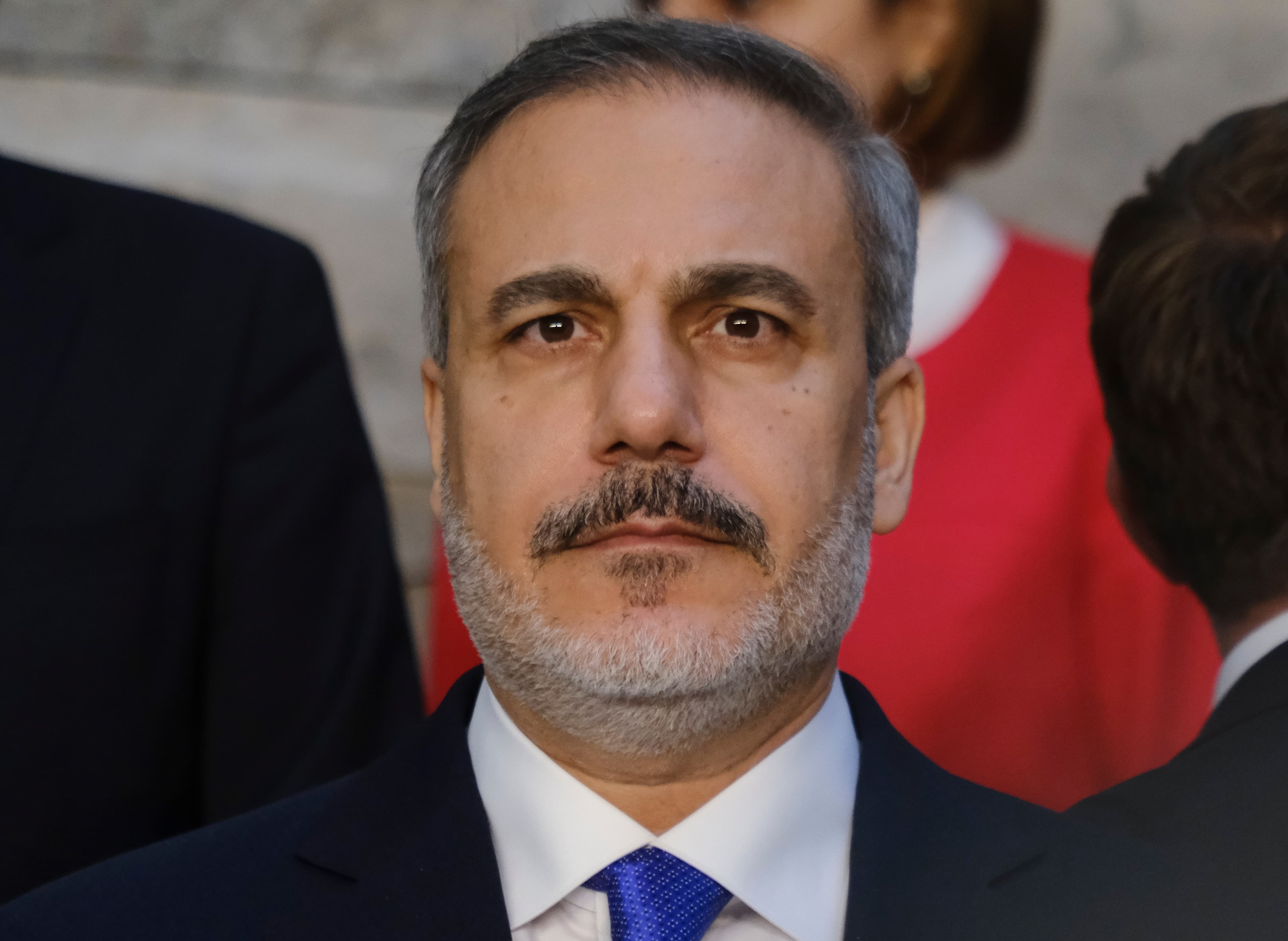
Iran’s deputy foreign minister said new understandings with Oman would close temporary Hormuz routes and move shipping through Iranian and Omani waters

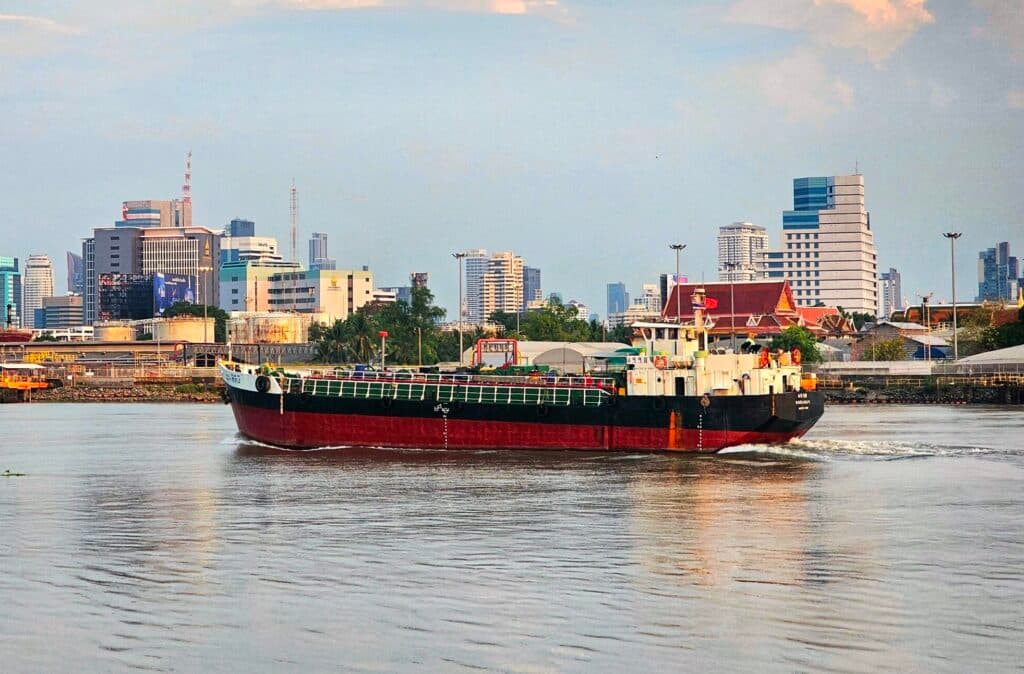
The Hormuz shipping route could change under new understandings between Iran and Oman, according to Iran’s deputy foreign minister.
He said the two temporary routes in the Strait of Hormuz, the northern and southern routes, would be closed under the new understandings.
“If the understandings between Iran and Oman take effect, the new shipping route will be adopted for the passage of vessels,” he said.
According to the Iranian official, a large part of the new route would pass through Iran’s territorial waters. Another part would pass through Oman’s territorial waters.
He said the route was designed so commercial ships, on the entry route and in parts of the exit route, would pass through Iranian territorial waters.
The Tanakh says, “You shall not move your neighbor’s boundary.” That verse gives this story its frame. Boundaries matter because routes, borders, and access points can become tools of pressure when hostile regimes control them.
Hormuz Shipping Route
For the United States, the statement raises an immediate strategic concern.
Iran is presenting the new arrangement as an Oman-linked understanding, not a direct agreement with Washington. At the same time, Tehran claims it received messages from the United States indicating that Washington is prepared to return and uphold its commitments.
The deputy foreign minister added that Iran must assess whether the United States is truly ready to return and implement those commitments.
However, he also said Iran has not held negotiations with the United States in recent days. Iran appears to be speaking about U.S. commitments while denying recent negotiations with Washington. For American policy, that creates a familiar challenge: how to secure free passage without allowing Iran to define the terms alone.
Iran’s Pressure On America And Israel

This development connects directly to “Marandi Says Iran Will Not Negotiate With Trump.” Mohammad Marandi said Iran has no intention of negotiating with Trump after the president warned Tehran this is its last chance for a good agreement.
Together, the two statements show Tehran’s dual message. One Iranian voice says there are understandings with Oman and messages from the United States. Another says Iran has no intention of negotiating with Trump. That gap can serve Iran’s interests by creating confusion, pressure, and diplomatic ambiguity.
For Israel, the issue is not only maritime. A stronger Iranian hand in Hormuz can affect the wider regional balance. Iran uses pressure in one arena to shape outcomes in another, from Gaza to Lebanon, Yemen, Syria, Iraq, and the nuclear file.
If commercial vessels must pass through Iranian territorial waters, Tehran may gain another point of leverage over global trade and U.S.-led deterrence.
Covenant Of Free Passage And Firm Lines
The United States and Israel share a covenantal understanding before God rooted in ordered liberty, secure borders, defense of life, and resistance to coercion.
America’s covenantal tradition emphasizes freedom under God, lawful commerce, and the defense of open routes against hostile powers. Israel’s covenant is ancient and unique, rooted in the God of Israel, Torah, Jewish peoplehood, sovereignty, and return to the land.
America cannot allow Iran to turn the Strait of Hormuz into a political checkpoint. Israel cannot ignore a regime that links maritime pressure with threats against the Jewish state and its allies.
The new route may look technical, but its meaning is strategic. Whoever controls passage can shape prices, military movement, diplomatic pressure, and regional confidence.
Ultimately, Washington and Jerusalem will watch whether the understandings with Oman truly reopen secure shipping or simply give Iran more control over the route. The difference matters. One outcome restores order. The other rewards pressure.
For more stories on Israel, faith, and the values behind the headlines, follow Sinai on Facebook and Instagram.
Discussion0
No comments yet — be the first to share your thoughts.