Marandi Says Iran Will Not Negotiate With Trump
Mohammad Marandi said Iran has no intention of negotiating with Trump after the president warned Tehran this is its last chance for a good agreement

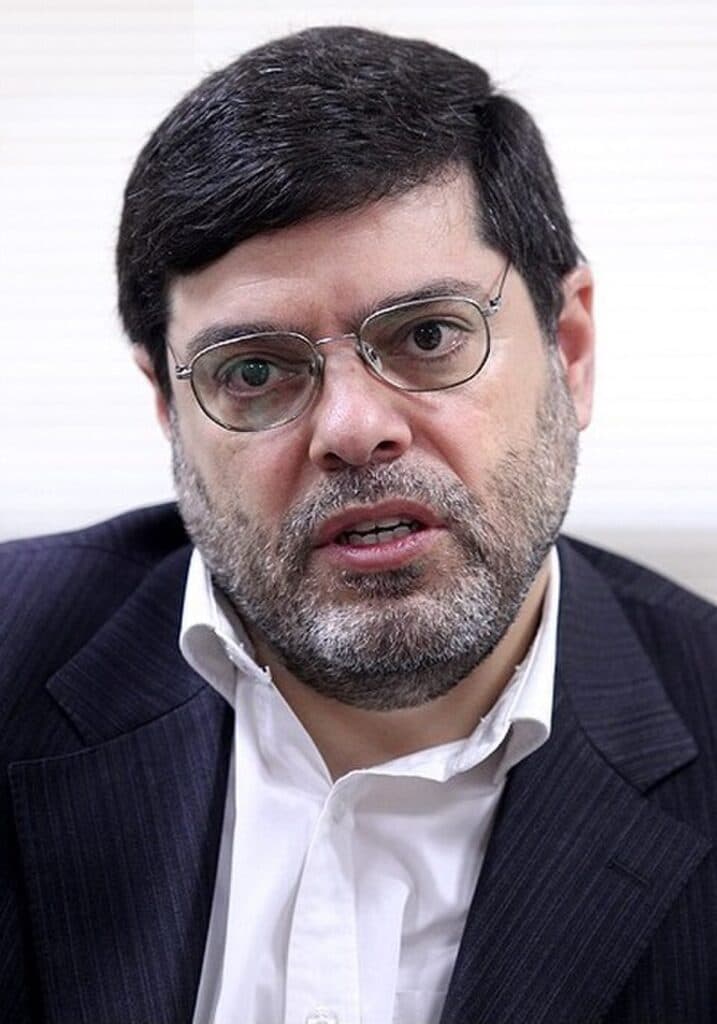
Iran Trump talks hit a sharp contradiction after Professor Mohammad Marandi said Tehran has “no intention whatsoever” of negotiating with the Trump administration.
His statement came after President Donald Trump said talks with Iran would progress quickly “one way or another.” Trump said the issue was “not a particularly complicated matter.”
Trump said the first subject would be the full opening of the Strait of Hormuz. After that, he said, the sides would discuss Iran’s nuclear capabilities.
Trump also added a direct warning: “This is their last chance to sign a good agreement.”
Marandi, a member of the Iranian negotiation delegation, then rejected the idea of talks with Washington.
“Iran has no intention whatsoever to negotiate with the Trump administration,” he said. “Any act of aggression will be met with a crushing and decisive response from the Islamic Republic.”
The Tanakh says, “The lip of truth shall be established forever.” That verse gives this moment its frame. Negotiations cannot rest on mixed messages, threats, and public denials. At some point, words must match reality.
Iran Trump Talks Face Rejection
For the United States, Marandi’s statement creates a direct diplomatic problem. Trump is presenting talks as fast-moving and results-focused. He wants Hormuz opened first, then Iran’s nuclear capabilities addressed. Marandi’s answer says the opposite: no negotiations with Trump, and retaliation if Washington acts.
That gap is relevant because America must know whether Iran is bargaining, stalling, or preparing confrontation.
If Tehran’s public line rejects talks, then Washington cannot treat optimism alone as progress. The United States needs verification, leverage, and clear consequences if Iran keeps Hormuz closed or refuses a serious nuclear agreement.
Hormuz, Nuclear Talks, And Israel
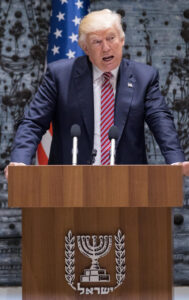
This development connects directly to “Trump Says Iran Has Last Chance For A Good Deal.” Trump said talks with Iran will move quickly, beginning with Hormuz and then nuclear capabilities, warning Tehran this is its last chance for a good agreement.
For Israel, the nuclear issue remains central. Hormuz matters because it affects global trade, energy, Gulf security, and U.S. deterrence. However, Iran’s nuclear capabilities pose the deeper strategic threat to the Jewish state.
Israel cannot accept a situation where Tehran uses maritime pressure to delay nuclear accountability. It also cannot rely on diplomatic language while Iranian officials threaten a “crushing” response. For Washington, the same issue affects regional credibility. Gulf states, Israel, and U.S. forces are all watching whether Trump’s deadline produces movement or more Iranian defiance.
Covenant Of Clarity And Resolve
The United States and Israel share a covenantal understanding before God rooted in truth, lawful strength, protection of life, and resistance to coercion.
America’s covenantal tradition emphasizes liberty under God, national resolve, and the defense of free passage against hostile regimes. Israel’s covenant is ancient and unique, rooted in the God of Israel, Torah, Jewish peoplehood, and the return to the land. The United States cannot allow Iran to turn Hormuz into a bargaining weapon while denying real talks. Israel cannot allow Iran to use negotiations, threats, and delay to preserve nuclear capabilities or strengthen its terror network.
Marandi’s statement may be aimed at projecting strength. However, it also exposes the central challenge. Iran wants to speak in the language of resistance while demanding that America absorb pressure without response.
Ultimately, Trump’s “last chance” warning now faces a clear test. Either Iran moves toward a real agreement on Hormuz and nuclear capabilities, or the confrontation enters a more dangerous stage. For Israel and the United States, the answer must be strength, clarity, and a refusal to confuse Iranian rhetoric with serious diplomacy.
For more stories on Israel, faith, and the values behind the headlines, follow Sinai on Facebook and Instagram.
Discussion0
No comments yet — be the first to share your thoughts.