Hormuz Explosions Were Interceptions Of Hostile Targets
Tasnim said explosions heard on Qeshm Island came from Iranian Navy interceptions of hostile targets near the Strait of Hormuz

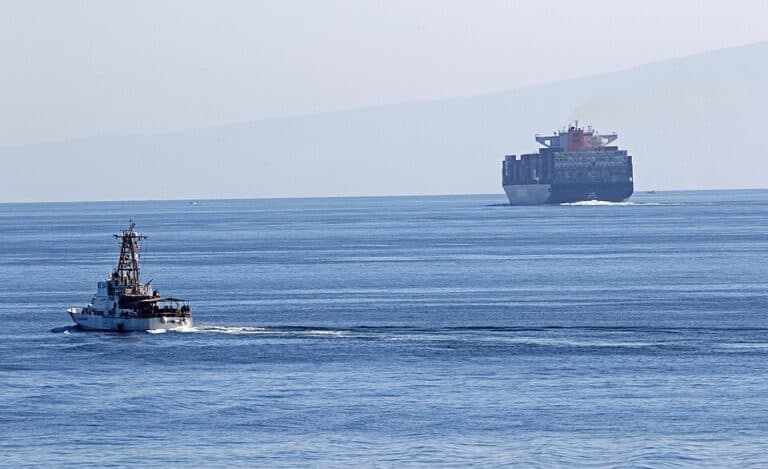
Hormuz interceptions were reported by Iran’s Tasnim News Agency after explosions were heard near Qeshm Island at the entrance to the Strait of Hormuz.
Tasnim said the echoes of explosions heard earlier in Hormuz came from the interception of hostile targets. According to Tasnim, citing its sources, two explosions heard on Qeshm Island at 21:40 were caused by the interception of “hostile enemy targets” near the entrance to the strait.
The outlet added that the achievements of the interception operation by Iranian Navy fighters would be released to the public in the coming hours.
The Tanakh says, “By wise guidance you shall wage your war.” That verse gives this story its frame. In a tense maritime arena, every explosion, claim, and interception report can shape deterrence, diplomacy, and the risk of escalation.
Hormuz Interceptions
For the United States, the Tasnim report matters because Hormuz remains a central test of American deterrence. Washington has been trying to move Iran toward a deal on the full reopening of the Strait of Hormuz. Any reported interception near the entrance to the strait adds pressure to that effort.
If Iran presents itself as intercepting hostile targets, it can use the event to project control over the waterway. That message matters to shipping companies, Gulf states, American forces, and global energy markets.
However, the report also raises questions. Tasnim said details would be released later, and the initial account came from Iranian sources. Until more information emerges, the claim should be treated as part of the wider information battle around Hormuz.
Iran’s Mixed Signals To Trump

This development connects directly to “Marandi Says Iran Will Not Negotiate With Trump.” Mohammad Marandi said Iran has no intention of negotiating with Trump after the president warned Tehran this is its last chance for a good agreement.
Iranian-linked voices reject negotiations with Trump while Iranian media report military activity near one of the world’s most important shipping routes. That combination creates pressure without clarity.
For the United States, the danger is that Iran may try to negotiate through escalation, ambiguity, and maritime tension rather than direct diplomacy. While for Israel, the relevance is immediate. Iran rarely acts in only one arena. Pressure in Hormuz can connect to threats from Gaza, Lebanon, Yemen, Iraq, Syria, and the nuclear file.
A Tehran that feels confident near Hormuz may also harden its posture against Israel and American-backed regional order.
Covenant Of Guarded Seas And Clear Signals
The United States and Israel share a covenantal understanding before God rooted in the defense of life, lawful order, freedom of movement, and resistance to coercion.
America’s covenantal tradition emphasizes liberty under God, secure passage, and the protection of allies against hostile regimes. Israel’s covenant is ancient and unique, rooted in the God of Israel, Torah, Jewish peoplehood, sovereignty, and return to the land.
America cannot allow Iran to turn Hormuz into a theater of intimidation. Israel cannot ignore a regime that uses the sea, the sky, and terror proxies as parts of one pressure campaign.
The Tasnim report may become clearer when additional details emerge. For now, it highlights the core reality: Hormuz is not only a shipping lane. It is a strategic front where Iran tests American resolve and signals to Israel.
Ultimately, Washington and Jerusalem must read the event with caution and seriousness. Claims of interception may be propaganda, deterrence messaging, or evidence of a real threat. In every case, the answer requires readiness, truth, and firm coordination between allies.
For more stories on Israel, faith, and the values behind the headlines, follow Sinai on Facebook and Instagram.
Discussion0
No comments yet — be the first to share your thoughts.