From Despair to Unity and Prayer: Daughter of Hostage Survivors’ Transformative Journey
The story of Shira Siegel is a journey of pain, anxiety, and even anger, but also of learning, forgiveness, hope, and faith. Her parents were kidnapped, she fought to bring them home, and felt like she was reborn in the process.


Shira Siegel, daughter of Aviva and Keith Siegel from Kibbutz Erez, experienced tremendous turmoil after both her parents were kidnapped on October 7.
Shira was not in Kibbutz Erez that morning, and when she first heard about the situation, contact with them was completely lost. In the two hours that followed, she received a call from the kibbutz chairperson notifying her of a video showing her parents’ car crossing the security fence into the Gaza Strip, with Aviva and Keith inside.
“I Pray, Please Let This End, Please Let This End”
For many long days, there was uncertainty regarding her parents’ fate. Shira, who described herself as “a wandering ghost,” decided to embark on a public struggle and demonstrate in the streets to urge society and the government to act for the return of Aviva and Keith.
Her Mother’s Return and the Pain of Waiting for her Father
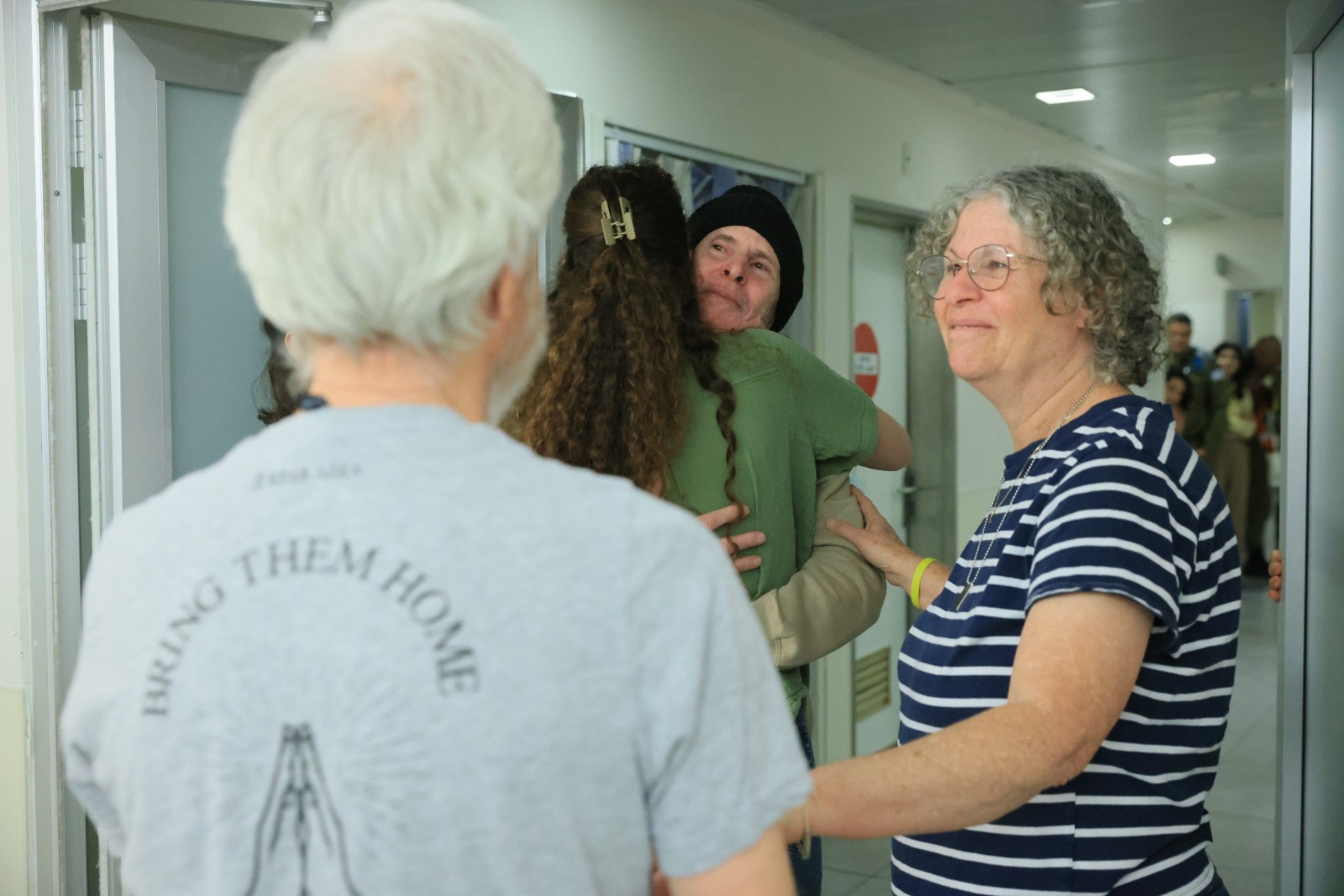
After 51 days of tension and anxiety, her mother Aviva was released from Gaza as part of one of the agreements reached. The joy of her return was immense, but simultaneously there was tremendous pain knowing that her father remained behind. She explained, “the discrepancy between the overwhelming joy when she entered the hospital room and the terrifying fear and sadness realizing my father was left behind.”
Shira describes the torment of imagining her parents’ separation in captivity, the uncertainty about her father’s condition, and the great frustration that the deal did not include all the hostages.
We’re Going to Burn It Down: The Anger and Realization
At a certain point, faced with the feeling that nothing was moving and her father remained captive, Shira’s pain turned into burning anger, and she found herself shouting: “We’re going to burn it down! Everyone, get out into the street and burn the country!”
These statements drew criticism from many, including bereaved parents. Later, Shira met with Hagai Lubar, a bereaved father who vocalized his criticism of these remarks. The meeting taught her about the power of words and the ability to bridge positions through inclusion and mutual understanding, even in extreme pain:
“I started to see differently, I started to do differently.”
Instead of the call to “burn the country,” Shira shifted to organizing circles of connection and hope, she joined friends like Gania, who led regular meetings every Tuesday in the city square, and instead of anger and blame, they focused on hugs, encouragement, and bringing people with different opinions closer together.
Dad Maintained His Identity Within the Great Hardship
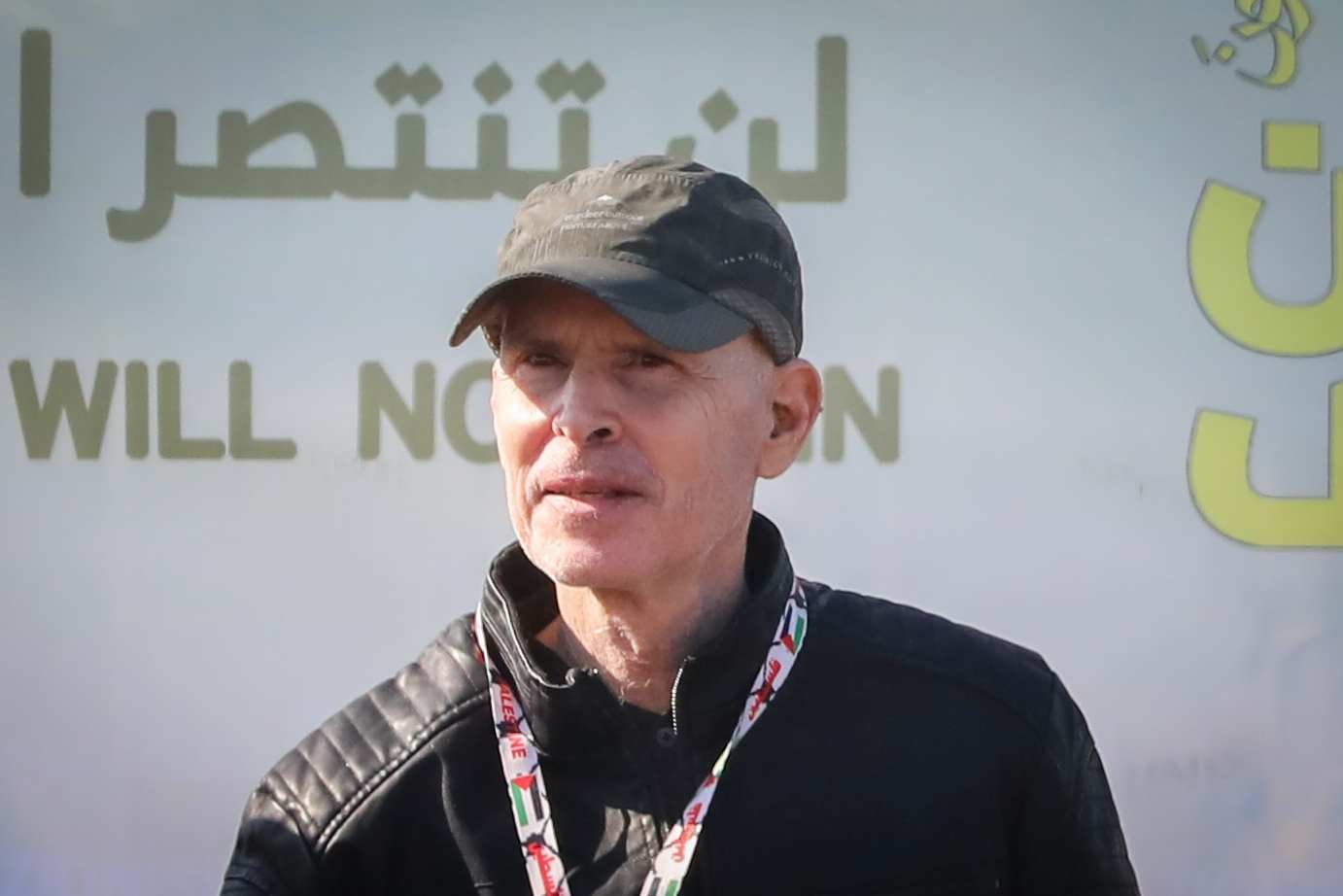
After prolonged months of internal and external warfare, Shira recounts the long-awaited moment of her father’s release, 484 days after the kidnapping. Despite his complicated medical condition, he returned to them alive, looking “very pale and very thin,” but filled with gratitude and appreciation.
“Even in the most terrible moments, he was in captivity with a sense of gratitude, to bless the food, even if it was really little… for being alive, having a place to sleep, and having water to drink… even if it was in a bucket with cold water once every two months.”
Her father maintained his Jewish and Israeli identity through the immense hardship, and that faith allowed him not to give up hope of returning.
What Is Most Important to You?
Shira describes how throughout the waiting period, she envisioned the “first Friday dinner” after the release, where her father would sit around the family table again. When he finally returned, she asked him what he wanted to eat and what was particularly important to him.
“And he told me: ‘Shirakush, what I really want the most and have been waiting for is a Kiddush Cup and a Kippah to wear on my head.’”
This Simple Response Symbolizes the Essence of Everyday Moments
This simple response signifies how daily moments, like Kiddush on Shabbat, become the most significant thing for those who have had all their freedoms stripped away.
The Personal Prayer and Shira’s Message
Throughout her journey, Shira understood the power of prayer, not necessarily a pre-written one, but a prayer that comes directly from the heart and deep need. Her religious aunt suggested she write her own words expressing her desire to bring her parents and the other hostages home. Since then, every night, Shira prays for their protection and well-being, hoping for their swift return home.
“May all the hostages return to us quickly. May they maintain their smiles and faith, may they cling to the knowledge that very soon they will return to us. We are waiting for you…”
Today, after both her parents returned home, Shira shares this journey not just as a personal story but as a call for everyone to hold onto hope and focus on connection, unity, and love for humanity. She experienced how cries and anger can transform into the strength of connections and healing, and how, in the lowest moments, compassion and the power to move forward can emerge—for those who are still waiting for their release and for society as a whole.
Discussion0
No comments yet — be the first to share your thoughts.