Rubio Warns Iran: Trump’s Policy Is “A Head For An Eye”
Secretary of State Marco Rubio warned Iran that Trump’s policy is “a head for an eye,” accusing Tehran of violating deals and funding proxies

Israel HaBahiyr
·11:12
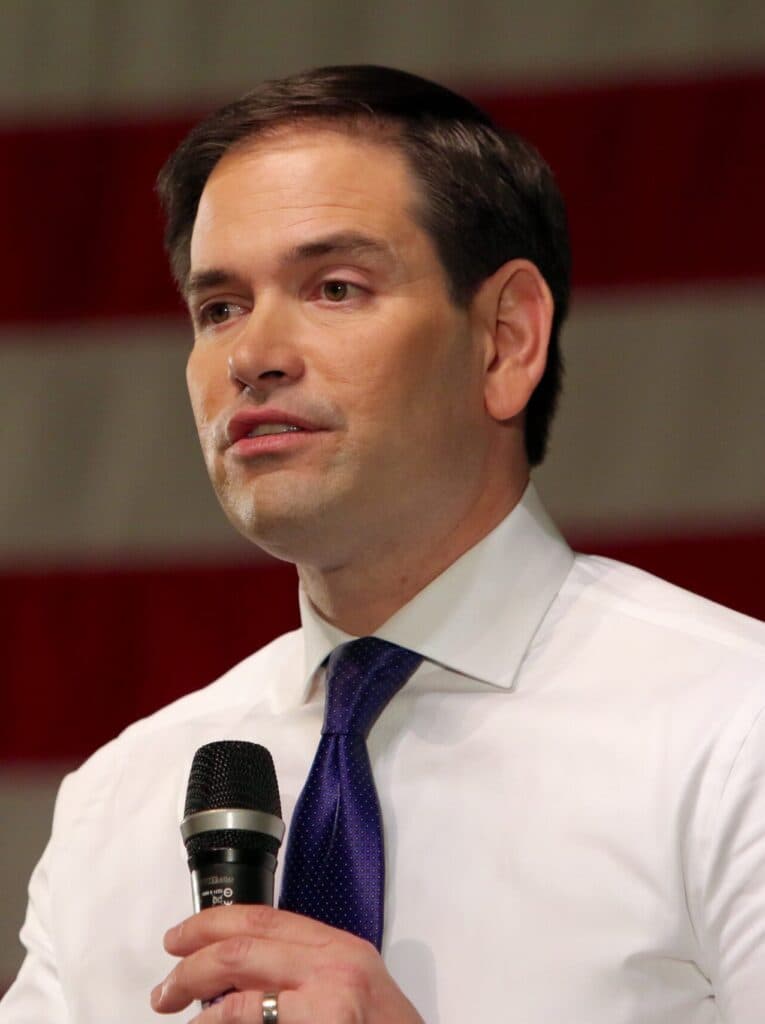
Rubio’s Iran warning sharpened the Trump administration’s message to Tehran as the confrontation over ships, missiles, UAVs, and regional escalation continues.
U.S. Secretary of State Marco Rubio said Iranian Foreign Minister Araghchi described Tehran’s policy as “an eye for an eye.” Rubio answered by saying President Donald Trump’s policy is “a head for an eye.”
“They will pay a very heavy price,” Rubio said. He argued that Iran continues to contact Washington and ask for a deal, but then violates agreements or tries to change them after they have already been reached. According to Rubio, Tehran may not be ready for a deal yet, but “soon they will be.”
The Tanakh says, “A false balance is an abomination to the Lord, but a just weight is His delight.” That idea fits this moment because diplomacy cannot rest on false promises. Agreements only matter when actions match words.
Rubio Iran Warning
Rubio’s remarks present Iran as a regime trying to negotiate while continuing aggression.
He said Tehran still sends messages that it wants talks, yet its conduct shows a different reality. Rubio also said Iran is suffering despite its “tough talk” and “silly Lego videos,” and warned that the pressure will continue until Iran “comes to its senses.”
For the United States, the message is about restoring deterrence. Washington cannot allow Iran to attack ships, threaten American forces, fund proxies, and then use negotiations as a shield against consequences.
For Israel, Rubio’s warning matters because Iran’s behavior is not limited to one front. The same regime that pressures U.S. ships and bases also arms Hezbollah, Hamas, the Houthis, and other forces that threaten Israeli civilians.
Trump’s Deterrence Line

That point connects directly to “Trump Iran Threat: One Ship Hit, One Bridge Or Power Plant Hit.” Trump warned Iran that any attack on ships in the Strait of Hormuz would trigger a U.S. strike on a bridge or power plant.
Rubio’s statement gives that policy a broader diplomatic frame. The administration is not only threatening retaliation. It is arguing that Iran has chosen poverty, isolation, and war pressure by spending its wealth on missiles, UAVs, and proxy armies instead of national prosperity.
Rubio said Iran could have been the richest country in the Middle East if it wanted to be. Instead, he said, the regime transfers money to its proxies and invests in weapons.
For ordinary Iranians, that contrast is devastating. Iran has oil, history, talent, and strategic depth. However, the regime has poured national wealth into terror networks and military escalation while its own people pay the price.
Covenant Of Strength And Truth
The United States and Israel share a covenantal understanding before God that honors truth, protects life, defends freedom, and confronts evil with moral resolve.
That shared covenant appears as America refuses to reward Iranian deception and as Israel refuses to accept a region shaped by Tehran’s terror network. It appears when leaders understand that mercy toward aggressors can become cruelty toward victims if it allows more missiles, more drones, and more attacks.
America is demanding that Iran’s actions match its words. Israel has long warned that Tehran uses negotiations, proxies, and propaganda as different parts of the same strategy. Rubio’s warning brings those concerns into one clear message: Iran cannot ask for diplomacy while preparing violence.
The path to peace remains open, but it cannot run through surrender, illusion, or endless concessions. If Iran wants relief, it must stop funding proxies, stop attacking ships, stop building missiles and UAVs, and stop treating agreements as temporary tools.
Ultimately, Rubio’s warning shows that the Trump administration wants Iran to understand the cost of its choices. For America and Israel, deterrence is not only about punishment. It is about protecting life before Iran’s aggression spreads even further.
For more stories on Israel, faith, and the values behind the headlines, follow Sinai on Facebook and Instagram.
Discussion0
No comments yet — be the first to share your thoughts.