Esmaeil Baqaei: EU Enables U.S. ‘Economic Terrorism’
Esmaeil Baqaei accused the EU of enabling Washington’s “economic terrorism” as Europe backs stronger pressure on Iran

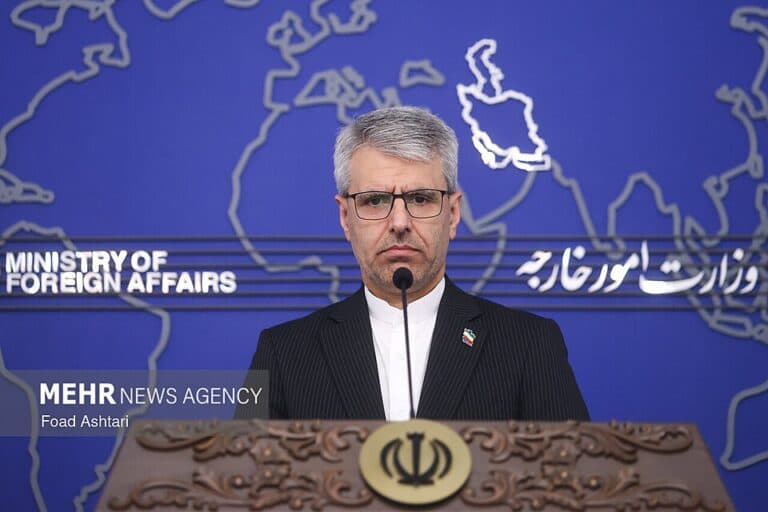
Esmaeil Baqaei accused the European Union of becoming an “accessory” to Washington’s economic pressure campaign against Iran. The Iranian Foreign Ministry spokesperson said European support for U.S. sanctions violates international law and contradicts the EU’s own rules. His criticism follows an explicit EU endorsement of additional economic pressure on Tehran, including the American-led Operation Economic Outcast.
“The European Union cannot endorse Washington’s economic terrorism against Iran while claiming to seek de-escalation and regional stability,” Baqaei said. He argued that those positions are incompatible and accused Brussels of surrendering its sovereignty to American pressure.
Deuteronomy 16:20 commands, “Justice, justice shall you pursue.” That principle applies not only to the use of force, but also to the rules nations invoke when applying economic pressure. Sanctions carry real consequences. The central question is whether they serve a lawful effort to restrain aggression or become punishment detached from legitimate security aims.
Esmaeil Baqaei Challenges Europe’s Sanctions Position
Baqaei based part of his argument on the EU’s own Blocking Statute. Europe adopted the measure in 1996 to shield European businesses from certain extraterritorial U.S. sanctions. The European Commission still states that it does not recognize the extraterritorial application of third-country laws and considers such effects contrary to international law.
That gives Baqaei a genuine legal point to cite, but it does not settle the present dispute. The EU is not merely being forced to follow Washington. Brussels has its own sanctions against Iran and has independently accused Tehran of destabilizing regional activity, repression at home, military support for Russia, and dangerous nuclear and ballistic missile programs.
On Sunday, the EU went further. In an official statement ahead of the G20 finance meetings, Brussels welcomed “additional economic pressure,” specifically including the U.S.-led Operation Economic Outcast. It also pledged continued coordination with Washington and other international partners.
The distinction matters. Europe historically resisted Washington’s ability to impose American law on European businesses. Today, however, European governments also have their own reasons for wanting to constrain Tehran.
Iran’s Economic Crisis Drives the Confrontation
Baqaei’s attack comes as U.S. sanctions place increasingly severe pressure on Iran’s economy. The rial fell to a record low in August, while annual inflation reached 66% in July. Iranian President Masoud Pezeshkian has said foreign trade fell 35% amid sanctions and the continuing war.
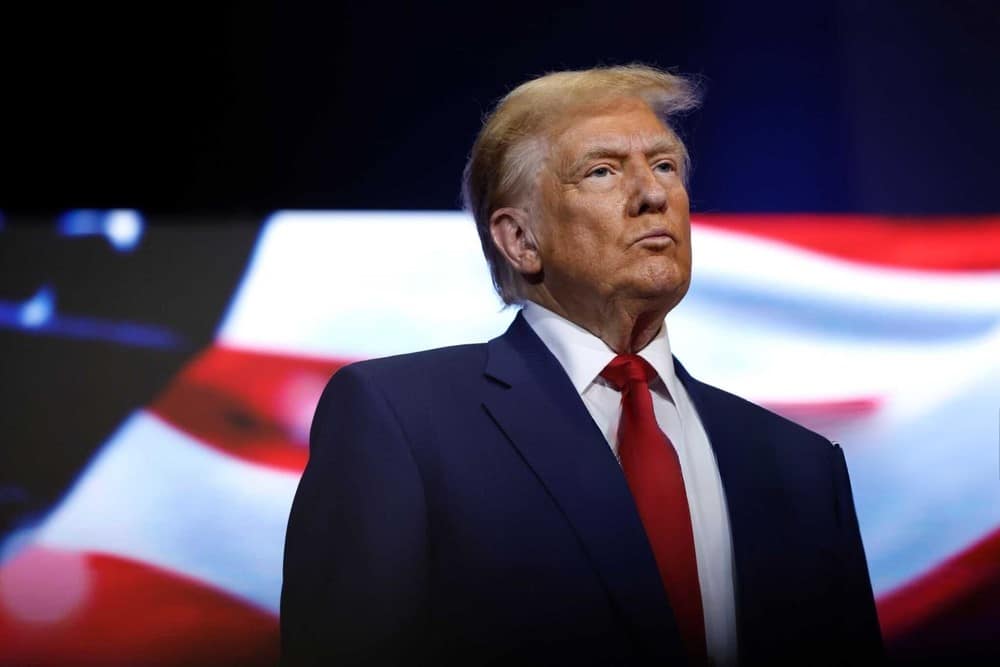
That economic strain was also at the center of “Trump on Iran: Their ‘Failed Nation’ Is ‘Dead.’” President Donald Trump described Iran as a failed state and pointed to its damaged military, currency crisis, and worsening economic conditions. Some of Trump’s more dramatic figures remain unverified, but the broader economic deterioration is well documented.
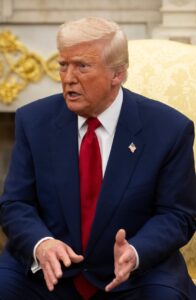
Washington is deliberately trying to deepen that pressure. Treasury Secretary Scott Bessent has described the strategy as “economic asphyxiation” and warned governments, banks, and companies that they could face American sanctions for helping Tehran evade restrictions.
Iran describes those measures as economic warfare. Washington sees them as leverage against a regime that has spent decades developing missiles, supporting armed proxies, threatening Israel, repressing its citizens, and pursuing nuclear capabilities that the United States and Israel consider unacceptable.
Europe’s movement toward the American position therefore represents more than diplomatic symbolism. It narrows the economic space available to Tehran and makes sanctions evasion more difficult, even as China and other partners continue providing Iran with potential lifelines.
When Allies Apply Pressure Together
America and Israel share a covenantal understanding that national power must carry moral responsibility before God. Both traditions value justice, truth, the protection of life, and the obligation to confront threats before they grow beyond control. Economic strength can serve those principles just as military strength can.
For Israel, weakening Iran’s ability to finance missiles and rebuild forces has an obvious security value. Israelis have lived under direct Iranian missile fire and decades of threats from Tehran-backed organizations. A sanctions campaign that restricts the regime’s access to money can therefore become another layer of deterrence.
America approaches the same challenge through its responsibility to protect its citizens, allies, forces, and international commerce. The two nations meet in a shared conviction that aggression should carry consequences and that freedom cannot survive if hostile regimes face no cost for threatening it.
Europe now appears increasingly willing to participate in that pressure. Baqaei can point to real tensions between the EU’s historic resistance to extraterritorial American sanctions and its current alignment with Washington. Yet Brussels is also making a sovereign political choice of its own: Iran’s conduct has given Europe reasons to apply pressure beyond anything demanded by the United States.
The larger contradiction may therefore lie in Tehran’s argument itself. Iran wants Europe to treat American economic pressure as unlawful while asking Europeans to overlook the policies that drove them closer to Washington in the first place.
For more stories on Israel, faith, and the values behind the headlines, follow Sinai on Facebook and Instagram.
Discussion0
No comments yet — be the first to share your thoughts.