Bahrain King Initiates Call To Deepen Israel Ties
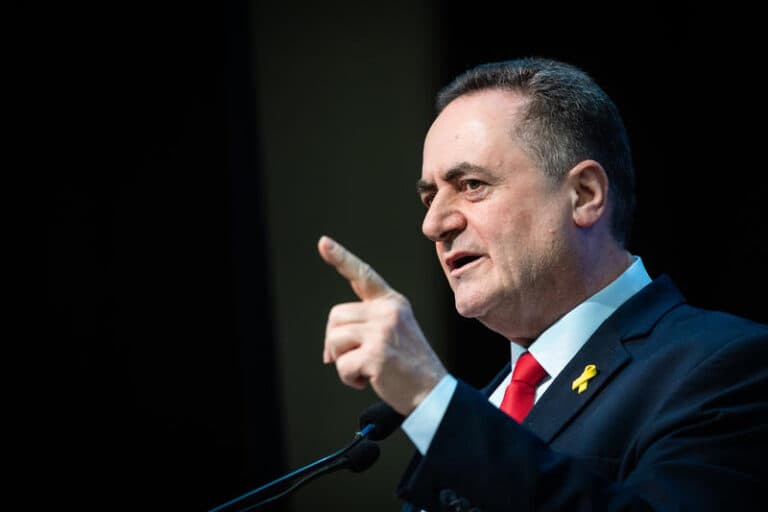
Bahrain’s King Hamad initiated a call focused on deepening Israel-Bahrain relations, strengthening the Abraham Accords, and supporting regional stability

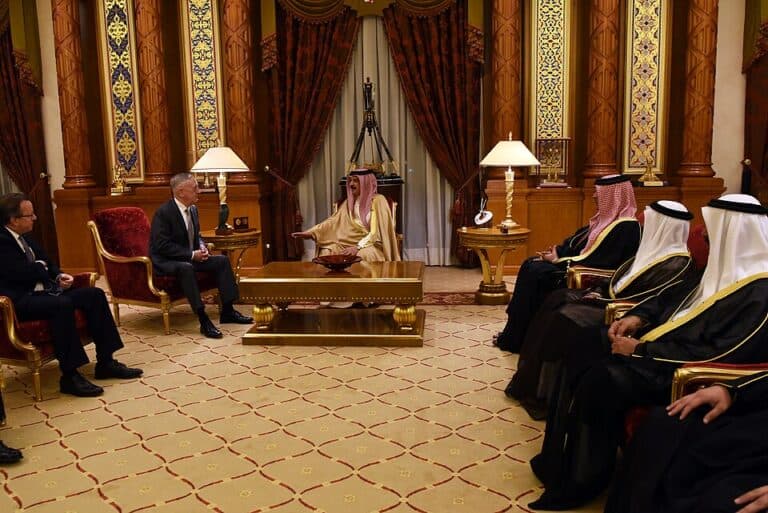
Israel Bahrain relations received a public boost after Bahrain’s King Hamad bin Isa Al Khalifa initiated a phone call and its publication, according to the statement.
The call focused on strengthening friendship and deepening relations between Israel and Bahrain. It also highlighted the importance of the Abraham Accords, led by the United States, in strengthening security, stability, and prosperity across the Middle East.
The statement said the conversation also addressed recent developments and the importance of cooperation and dialogue among regional countries.
“I have just spoken with His Majesty the King of Bahrain, Hamad bin Isa Al Khalifa,” the statement said.
“Bahrain is an important partner in shaping the future of the Middle East,” it added. The statement also praised the king’s “courageous leadership” and vision, while expressing appreciation for his role in deepening peace, stability, and cooperation between the countries.
The Tanakh says, “Seek peace and pursue it.” That verse fits this moment because peace does not happen by accident. Leaders must choose it, defend it, and build it through trust, courage, and regional responsibility.
Israel Bahrain Relations
Bahrain is not only an Abraham Accords partner. It is also a Gulf state located inside the same regional security environment shaped by Iran, maritime pressure, proxy threats, and American deterrence.
For Israel, public warmth from Bahrain sends a meaningful signal. It shows that normalization can survive pressure when regional leaders understand the strategic value of peace with the Jewish state.
For the United States, the call reinforces the American role in shaping a regional order built on cooperation rather than Iranian intimidation. The Abraham Accords remain one of Washington’s most important diplomatic frameworks in the Middle East because they connect Israel with Arab partners through security, trade, technology, and shared interests.
Bahrain, Iran, And Gulf Pressure
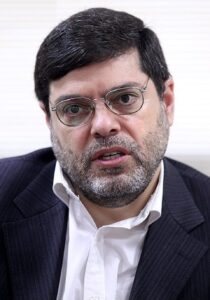
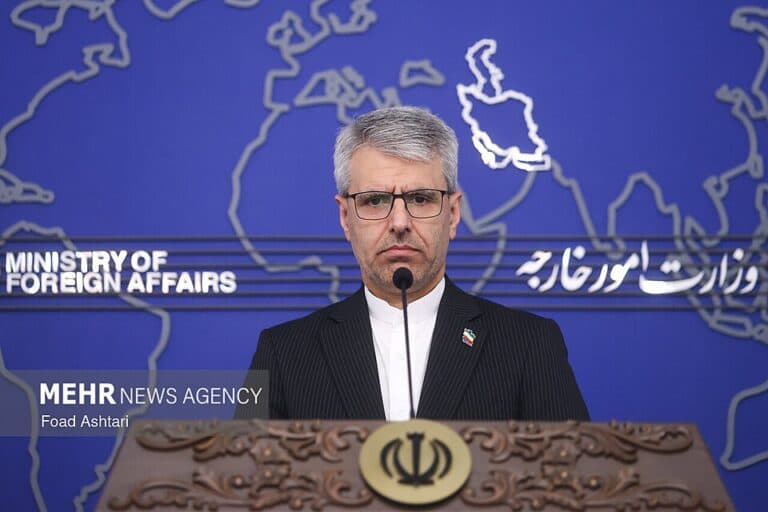
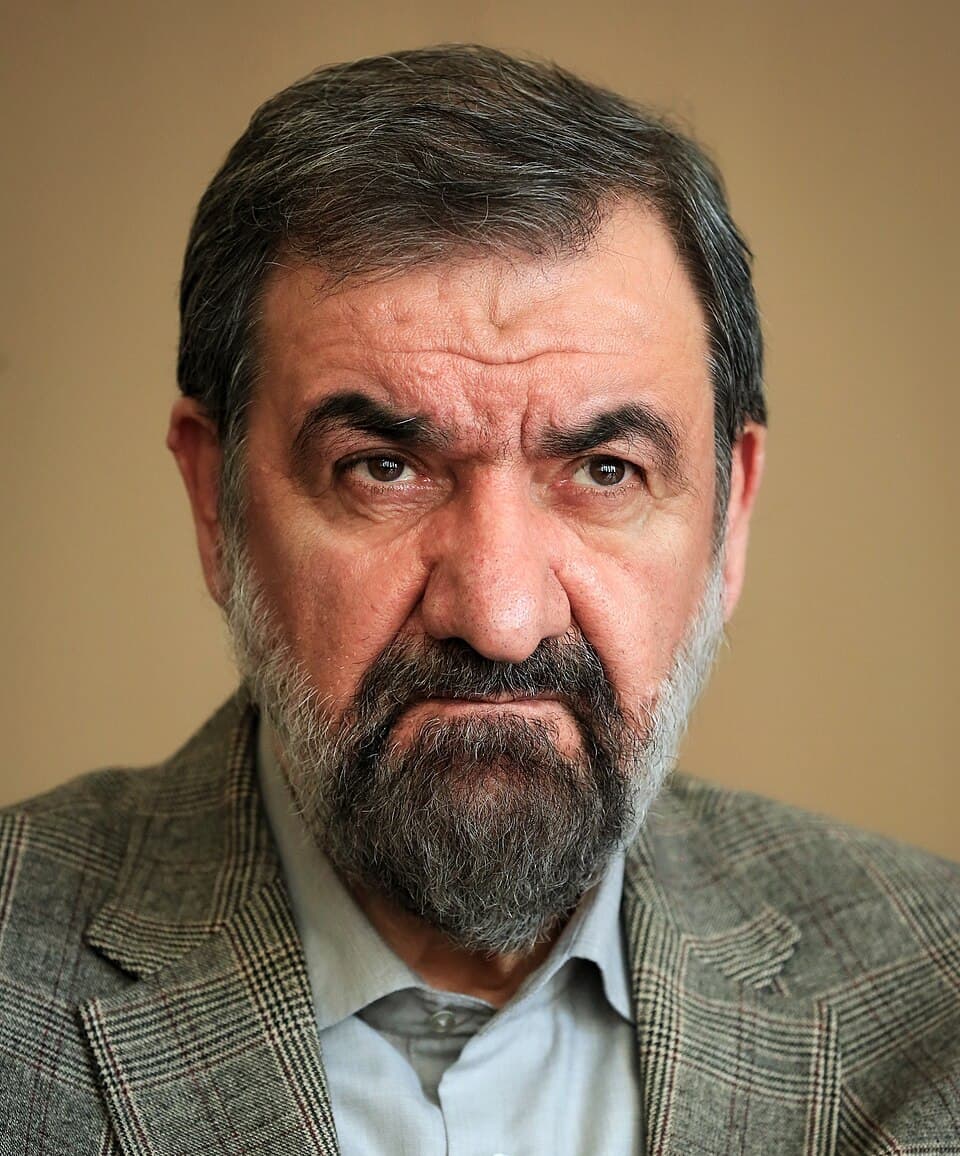
That regional pressure gives added weight to “Marandi Warns Gulf States After Trump Iran Threat.” Mohammad Marandi warned that Gulf states may need to evacuate after Trump threatened Iran with strikes over attacks on ships in Hormuz.
Against that backdrop, Bahrain’s outreach carries strategic meaning. Iran wants Gulf states to fear cooperation with Washington and Israel. The Abraham Accords point in the opposite direction. They show that Gulf states can choose partnership, stability, and direct dialogue instead of surrendering to threats from Tehran or its allies.
For Israel, Bahrain’s posture strengthens a wider regional camp that sees Iran’s aggression clearly. For America, it proves that U.S.-led diplomacy can still build durable partnerships when it supports allies who take real political risks for peace.
Covenant Of Peace And Courage
The United States and Israel share a covenantal understanding before God rooted in peace, freedom, faith, and the defense of life.
That shared covenant appears when leaders choose dialogue over hatred and order over chaos. It appears when America helps build bridges between Israel and Arab partners. It also appears when Israel stands openly with nations that reject the old politics of isolation and war.
America’s leadership helped create the Abraham Accords. Israel’s willingness to build direct ties with Bahrain gives that framework life. Bahrain’s public role now shows that normalization is not only a document. It is a living regional choice.
Ultimately, the call with King Hamad signals that the Abraham Accords still matter deeply. As Iran threatens Gulf states and tries to fracture the region, Israel, Bahrain, and the United States are showing a different path: cooperation, stability, and peace backed by strength.
For more stories on Israel, faith, and the values behind the headlines, follow Sinai on Facebook and Instagram.
Discussion0
No comments yet — be the first to share your thoughts.