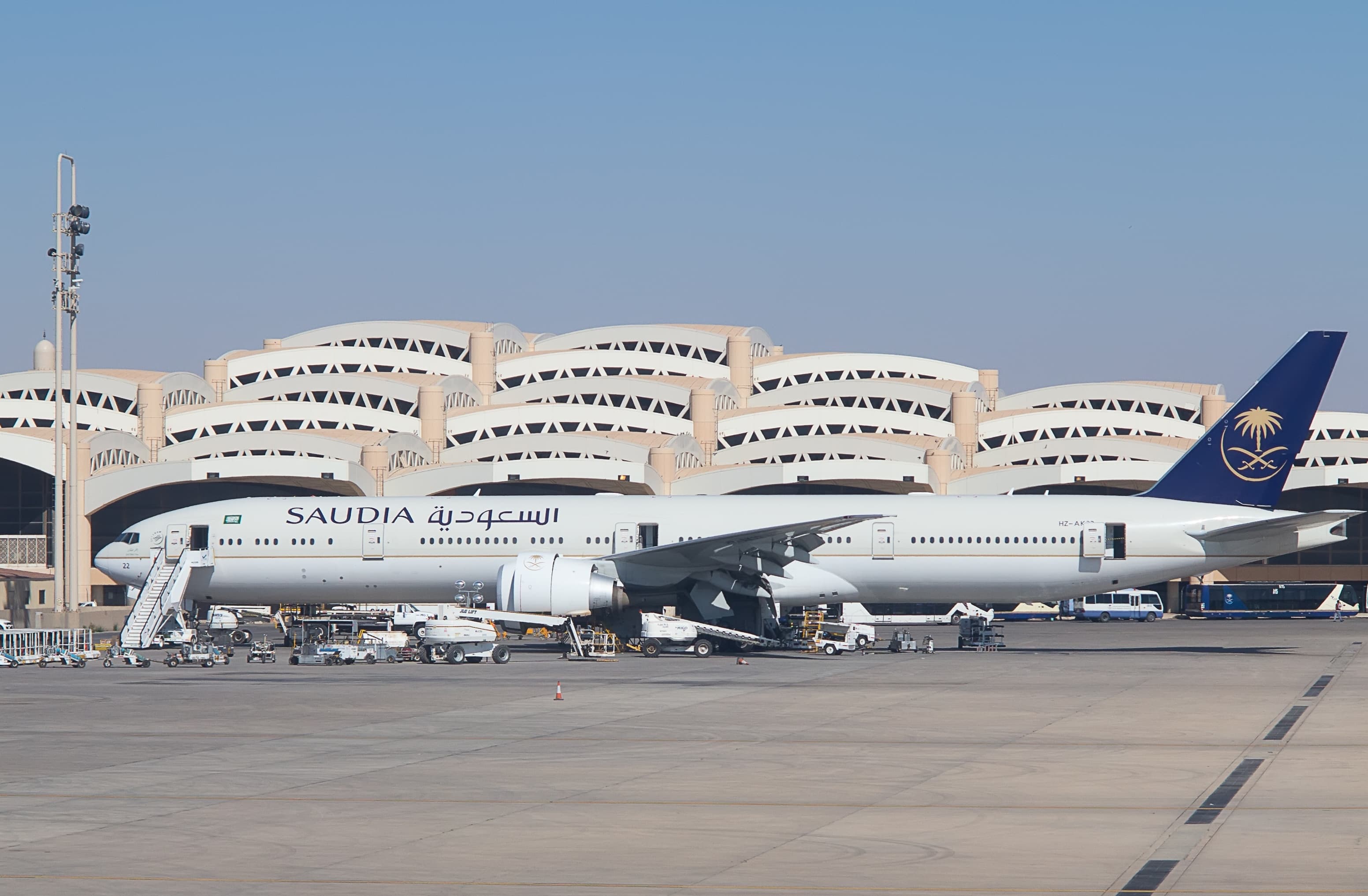
American Gas Tanker Damaged By Suicide UAV In Egypt
Reuters reported that an American gas tanker was damaged by a suicide UAV at Egypt’s Damietta port, raising concerns for U.S., Israeli, and regional energy security

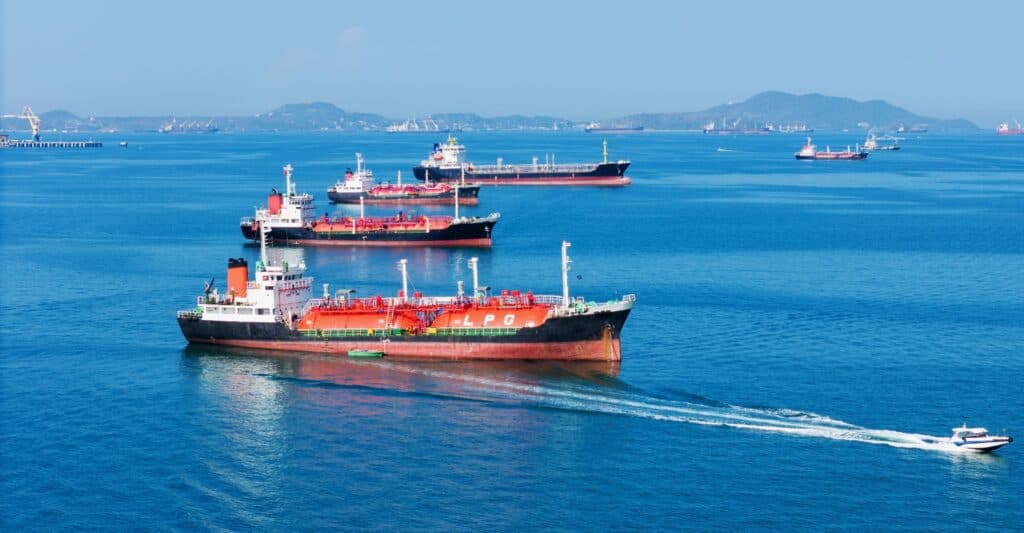
An American gas tanker attack at Egypt’s Damietta port reportedly damaged the vessel after a suicide UAV strike, according to Reuters.
The report points to another dangerous escalation around energy infrastructure, maritime routes, and regional trade. A strike on a gas tanker in Egypt does not only threaten one ship. It touches the wider network connecting the United States, Israel, Egypt, and the Eastern Mediterranean.
The Tanakh says, “Those who go down to the sea in ships, who do business on great waters, they have seen the works of the Lord.” That verse gives this story a fitting frame. Sea routes carry commerce, energy, security, and national trust. When terror threatens those routes, it threatens the order that allows nations to live and trade.
American Gas Tanker Attack
According to Reuters, the American gas tanker was damaged by a suicide UAV at Damietta port in Egypt. The report did not provide further details in the information given here about casualties, the full extent of the damage, or who directed the attack. However, the use of a suicide UAV at an Egyptian port raises immediate concerns for Washington and Jerusalem.
For the United States, the reported attack is a direct challenge to American assets, shipping security, and deterrence. If American-linked vessels become targets in regional ports, Washington faces pressure to respond clearly.
For Israel, the concern is also strategic. Israel depends on regional stability, maritime security, and energy cooperation with Egypt and other partners. A successful UAV strike at a gas facility or port can create economic pressure, security risk, and political uncertainty.
Egypt, Israel, And Energy Security

This development also connects to “Egypt Seeks Wider Economic Cooperation With Israel.” Egypt reportedly wants to expand economic cooperation with Israel after a major gas deal, while also trying to bring the United States into the trade track.
Egypt, Israel, and the United States are not isolated players in this story. They sit inside a growing regional energy and security framework. Gas trade, port security, maritime routes, and American involvement all shape the future of Eastern Mediterranean stability.
Therefore, an attack on a gas tanker in Egypt can affect more than the immediate site of the blast. It can threaten confidence in regional energy projects, test U.S. resolve, and pressure Israel’s wider economic-security architecture.
Hostile actors understand that. They often target infrastructure because it creates political shock beyond the battlefield.
Covenant Of Secure Passage
The United States and Israel share a covenantal understanding before God rooted in freedom, lawful order, protection of life, and the defense of nations against violent coercion.
America’s covenantal tradition emphasizes liberty under God, secure commerce, and the responsibility to defend free movement against terror. Israel’s covenant is ancient and unique, rooted in the God of Israel, Torah, Jewish peoplehood, and the return to the land.
America cannot allow its vessels or interests to face intimidation in strategic ports. Israel cannot allow terror pressure to undermine the regional partnerships that help secure its future.
Ultimately, the reported strike at Damietta shows how quickly energy cooperation can become a security issue. For Washington and Jerusalem, protecting ships, ports, and regional partners is not secondary. It is part of the wider struggle to defend order against those who use drones, fear, and sabotage as weapons.
For more stories on Israel, faith, and the values behind the headlines, follow Sinai on Facebook and Instagram.
Discussion0
No comments yet — be the first to share your thoughts.