Iraq Fuel Crisis Sparks Instability Fears
Long lines and fuel shortages in Iraq are raising concern over wider instability, as Syria, Iran, and Iraq face growing economic pressure tied to energy prices and regional unrest

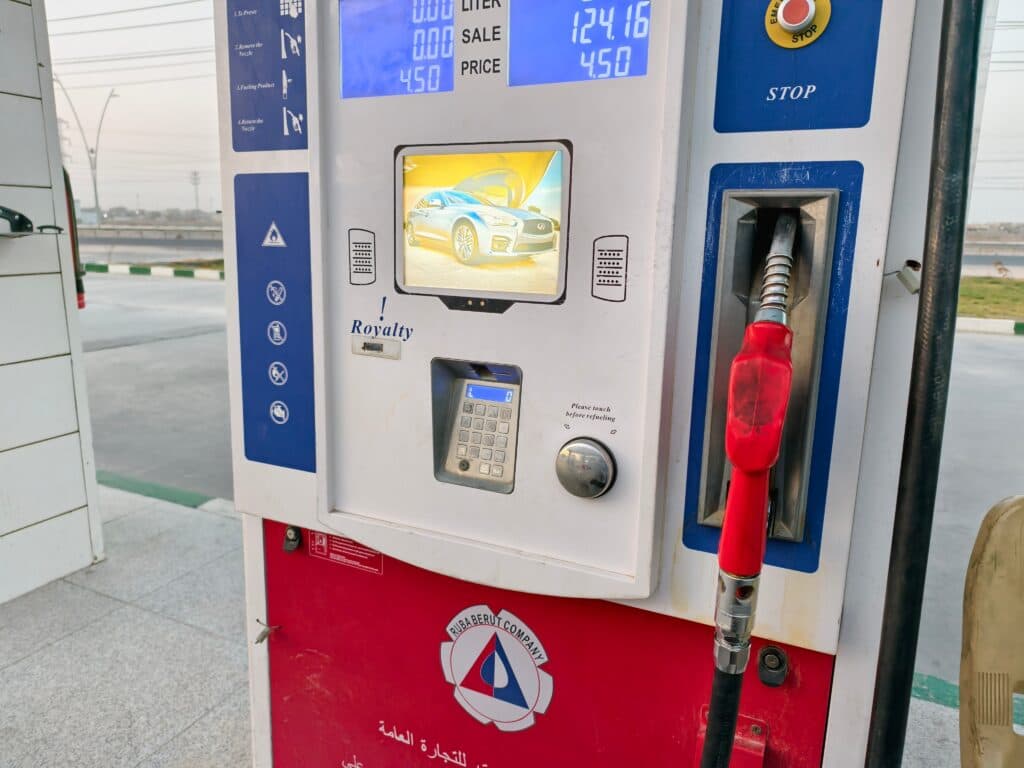
The Iraq fuel crisis continues, with long lines reported again today outside gas stations due to shortages of gasoline and diesel. According to the report, Iraq has joined Syria and Iran as another regional arena where fuel shortages and rising energy prices have become impossible to ignore.
The Book of Proverbs teaches, “The king establishes the land by justice, but a man of donations tears it down.” That warning speaks to the fragile bond between governance, public trust, and daily survival. When ordinary people cannot reliably fuel cars, trucks, businesses, and supply chains, frustration does not remain only economic. It quickly becomes political.
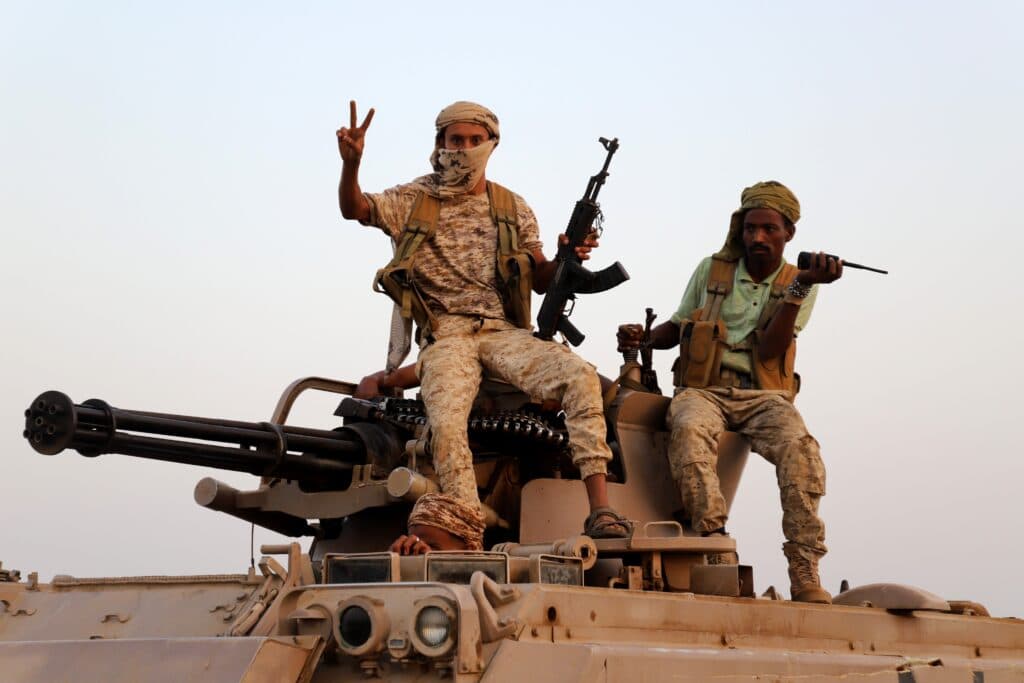
The report says the pressure could create fertile ground for protests, revolutions, and even regime changes. Syria and Iraq already face unstable political conditions, while Iran’s regime fears for its future. Fuel shortages sharpen those pressures because they touch nearly every part of public life.
Fuel Shortages And Regional Pressure
Fuel is not only an energy issue. It shapes transportation, food distribution, consumer prices, business activity, and public confidence. When gasoline and diesel become scarce, the effects move through the economy quickly. Families pay more, merchants struggle to move goods, and governments face anger they cannot easily contain.
That is why the situation matters beyond Iraq. Syria, Iran, and Iraq all sit inside a regional environment shaped by militias, sanctions, corruption, weak institutions, and Iranian influence. A fuel crisis can expose those weaknesses faster than speeches or diplomatic pressure. It creates visible hardship that people feel in real time.
The United States and Israel both watch these pressures through a wider security lens. Washington has an interest in preventing hostile forces from using instability to rebuild power. Israel sees the same landscape through the Iranian axis. When regimes and militias lose control over basic stability, terror groups often search for openings.
That context also links naturally to “Iraqi F-16 Strikes Destroy ISIS Hideouts in Saladin.” In that report, Iraqi F-16s carried out four precision strikes that destroyed ISIS hideouts in Wadi al-Shay after intelligence tracked militants in the Saladin sector. Together, the two stories show the same strategic challenge: Iraq must fight armed threats while also managing economic pressure at home.
A Fragile Domestic Front
The fuel shortage also highlights how domestic crises can become national-security issues. If prices rise and shortages spread, governments can lose legitimacy quickly. In countries where armed groups already operate, that loss of trust can create room for radicals, militias, or foreign-backed actors to exploit public anger.
For Israel, that matters because Iranian influence does not stop at Iran’s borders. Tehran has spent years building pressure points across the region, including Iraq, Syria, Lebanon, Yemen, and Gaza. If Iraq weakens further, hostile networks may try to expand their freedom of action. That would affect Israeli deterrence, U.S. regional policy, and the broader fight against Iranian-backed terror.
For America, Iraq remains a key arena in the struggle against ISIS and Iranian influence. A severe fuel crisis could distract Baghdad from security priorities and strain its ability to govern. It could also deepen public resentment at a time when militant groups still look for weak points. Energy stability, therefore, becomes part of the larger campaign for order.
Covenant In A Region Under Strain
America and Israel carry different covenantal missions before God, but both are tested when disorder spreads across strategic regions. America’s calling is tied to ordered liberty, secure commerce, and the defense of allies against terror and coercion. That mission requires judgment, because instability in one state can quickly threaten wider regional balance.
Israel’s covenantal mission is rooted in Jewish survival, sovereignty, and return to the ancestral homeland. For the Jewish state, nearby instability is never theoretical. It can become rockets, militias, smuggling routes, terror cells, and new threats on Israel’s borders.
The Iraq fuel crisis is therefore more than an economic story. It is a warning about how fragile states can fracture when basic needs fail. Fuel shortages, rising prices, ISIS hideouts, and Iranian pressure all belong to the same regional picture. The question is whether responsible forces can preserve order before public frustration becomes another front in the Middle East’s long war over power, sovereignty, and survival.
For more stories on Israel, faith, and the values behind the headlines, follow Sinai on Facebook and Instagram.
Discussion0
No comments yet — be the first to share your thoughts.