Houthis Claim Saudi Arabia Attacks, Iran Denies Any Link
The Houthis claimed responsibility for attacks on Saudi Arabia’s King Khalid Air Base, while Iran denied any connection as tensions grow around Yemen, the Red Sea, and Bab al-Mandab

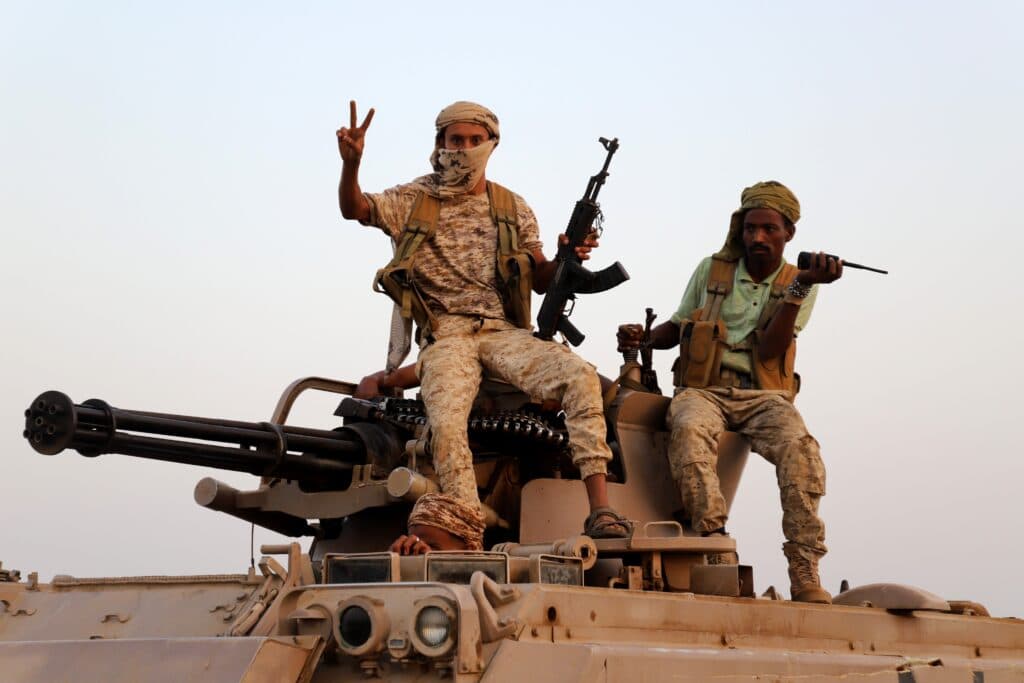
The Houthis claimed responsibility for this morning’s attacks against Saudi Arabia and said they carried out a large-scale military operation against King Khalid Air Base in Khamis Mushait. According to the group, the operation targeted fighter jet hangars, radar systems, runways, ammunition depots, and other military infrastructure.
The Houthi statement said the attack used dozens of ballistic missiles and UAVs. It also claimed the strikes hit their targets directly and caused heavy damage at the base. Those claims have not been independently confirmed in the provided material, but the message itself marks another escalation in the Yemen and Red Sea front.
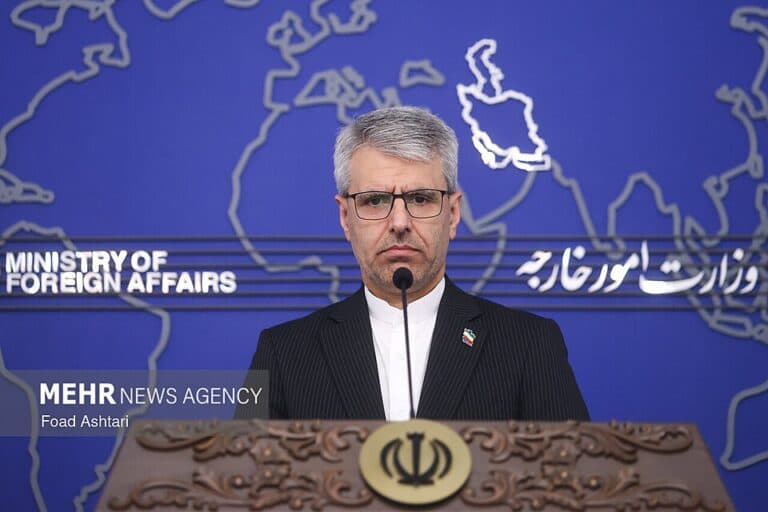
Iran’s Foreign Ministry tried to distance Tehran from the attack. A spokesperson said Iran has “no connection whatsoever” to the Houthis’ actions against Saudi Arabia. The denial comes as the Houthis continue to present themselves as a regional military force capable of striking Saudi assets and threatening maritime routes.
The Book of Proverbs teaches, “The horse is prepared for the day of battle, but victory belongs to the Lord.” The verse does not dismiss military strength. It reminds nations that power must serve moral purpose. In this case, that purpose is clear: defending civilians, keeping sea lanes open, and stopping terror forces from turning missiles and drones into tools of regional blackmail.
Red Sea Pressure Builds
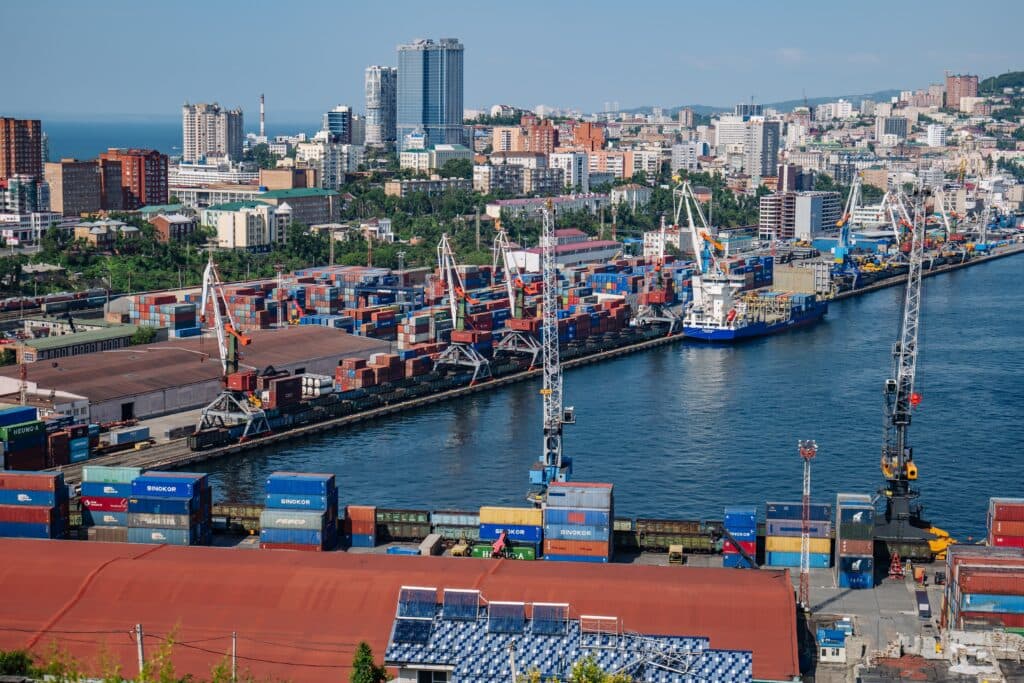
The latest Houthi claim follows a broader shift on the Yemen front. In “Houthis Claim Major Gains in Western Yemen,” the Houthis claimed major territorial and military gains while declaring Saudi vessels off-limits in the Red Sea. The report also described their advance toward Bab al-Mandab, one of the most sensitive maritime chokepoints in the world.
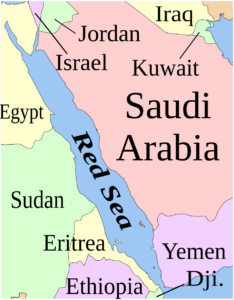
For Saudi Arabia, the threat is immediate. A stronger Houthi position near Bab al-Mandab raises the danger that international shipping could face new attacks or restrictions. It also puts pressure on Riyadh after years of fighting against the Iranian-backed movement in Yemen. The latest claim of strikes on King Khalid Air Base shows that the Houthis are trying to project both territorial control and long-range strike capability.
The issue matters just as much to the United States and Israel. Washington has long treated freedom of navigation as a core strategic interest. If Houthi forces can threaten shipping, energy flows, and military facilities, the pressure does not stop at Saudi Arabia’s border. It reaches global markets, U.S. regional posture, and the credibility of American deterrence.
A Test Of Deterrence
The Houthi claim also exposes a difficult strategic question. How should free nations respond when a terror movement acts like a state, threatens global trade, and attacks regional partners? Ignoring the threat invites more pressure. Overreacting can drag allies into a wider war. Deterrence requires a narrow but firm answer that makes aggression costly without losing control of the battlefield.
That is why the Bab al-Mandab front matters far beyond Yemen. It sits at the intersection of energy security, shipping, military logistics, and regional alliances. Any disruption there can raise costs, slow commerce, and create political pressure across several continents.
Saudi Arabia’s position is also changing. The kingdom once treated Israel mainly as a quiet security reality. Now, the Houthi threat shows why Israeli intelligence, air-defense experience, and operational reach matter to Sunni Arab states facing Iranian-backed forces. The regional balance is shifting, and Israel is no longer only defending itself. It is becoming a central security actor in a Middle East shaped by drones, missiles, proxies, and maritime pressure.
Covenant Under Fire
America and Israel carry separate covenantal missions before God, but both missions meet when terror threatens innocent life and international order. America’s calling has long included the defense of ordered liberty, secure trade routes, and the protection of allies against coercion. That mission does not require every battle to become an American war, but it does require Washington to understand the cost of weakness.
Israel’s covenantal role is rooted in Jewish survival, sovereignty, and return. After generations of exile, the Jewish state cannot afford to ignore any force that joins the Iranian axis or threatens regional stability. The same network that fires on Saudi Arabia can also threaten Israel, international shipping, and the fragile alliances forming against Tehran’s reach.
The Houthi attack claim should therefore be read as more than a battlefield update. It is a warning about deterrence, sea power, and the danger of allowing extremist forces to control strategic corridors. When terror groups gain territory, weapons, and confidence, they do not stop with one enemy. They test every border and every alliance around them.
For more stories on Israel, faith, and the values behind the headlines, follow Sinai on Facebook and Instagram.
Discussion0
No comments yet — be the first to share your thoughts.