Russia Diesel Exports Halt as Saudi Pipeline Nears Return
Chris Wright says Russian diesel exports have stopped while Saudi Arabia’s East-West pipeline is expected to return soon amid wider energy disruption

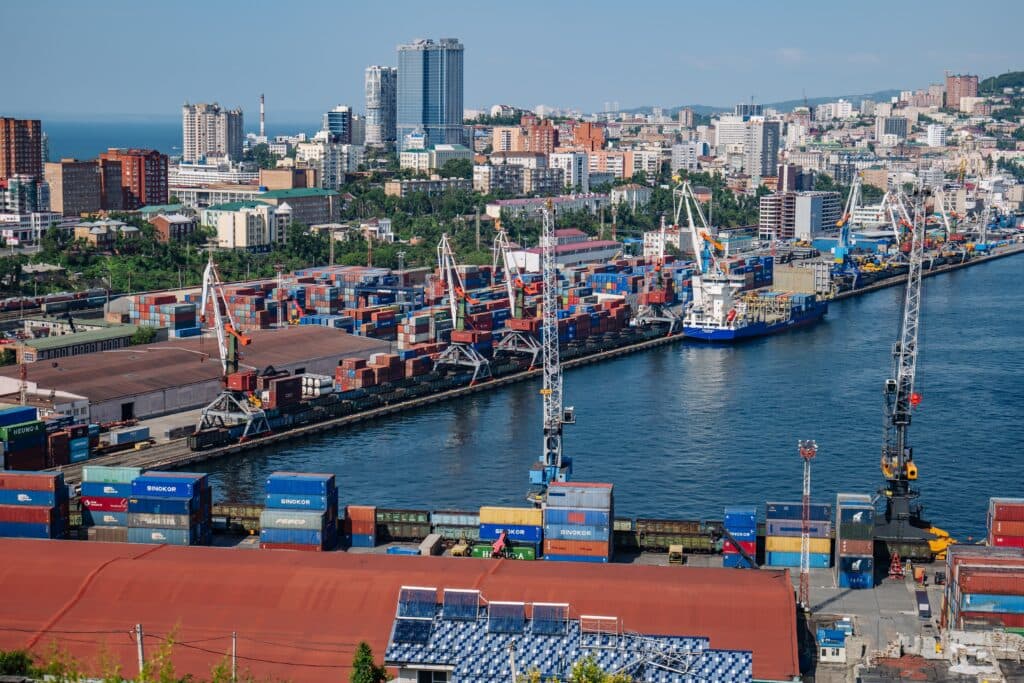
Russia diesel exports have effectively stopped as refinery damage reshapes global fuel markets, according to U.S. Energy Secretary Chris Wright. At the same time, Wright said Saudi Arabia’s damaged East-West oil pipeline should return to operation “very soon.” Together, the developments show how conflict is placing pressure on both crude oil routes and refined fuel supplies.
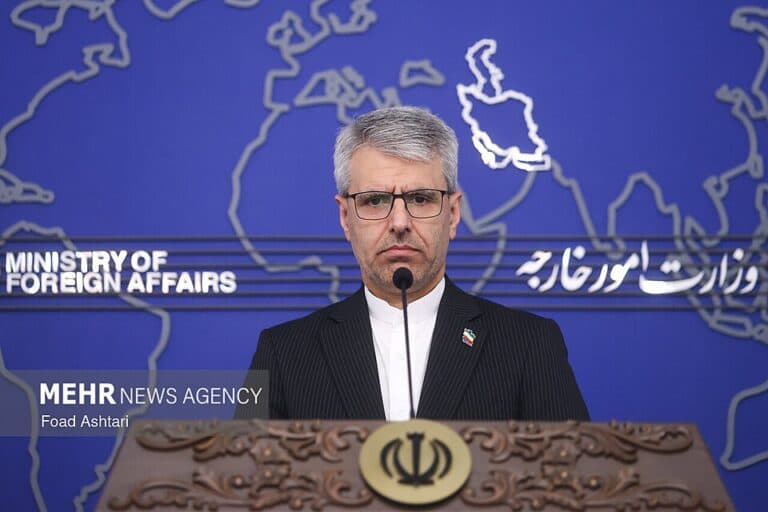
“There has been a tremendous blow to diesel exports from Russia,” Wright said. He added that Russia had once been a significant diesel exporter but now exports none. The country has also shifted from being a minor gasoline exporter to a significant importer, according to Wright. His assessment follows earlier comments linking the change to heavy damage at Russian refineries.
Genesis 41:36 describes Joseph’s preparations before famine: “And the food shall be for a reserve for the land.” The principle extends naturally to modern energy security. Nations need reliable infrastructure, diversified routes and sufficient reserves before crisis closes the options they assumed would always remain available.
Russia Diesel Exports Add to Fuel Pressure
Russia was historically an important supplier of refined petroleum products. Wright said refinery damage has removed Russian diesel from the export market while forcing Moscow to import more gasoline. The disruption matters because diesel powers freight, agriculture, industry and much of the wider supply chain.
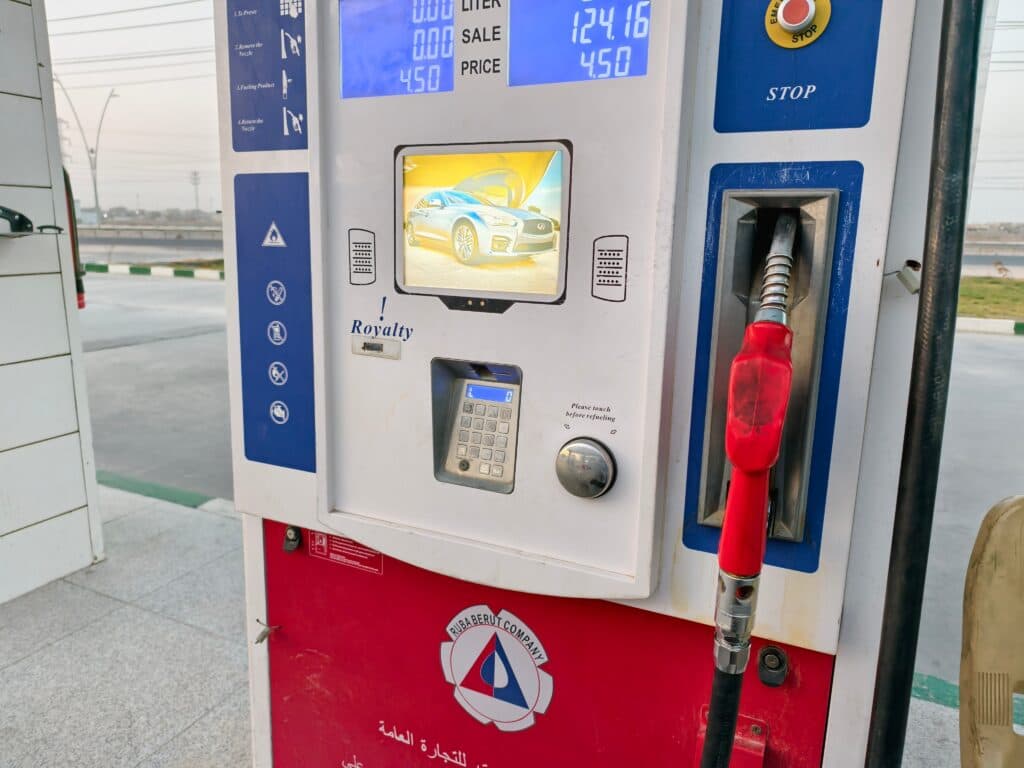
The strain is not limited to Russia. Fuel shortages and rising prices have appeared across several countries affected by the regional conflict. In “Iraq Fuel Crisis Sparks Instability Fears,” long lines and shortages in Iraq highlighted growing economic pressure as Syria and Iran faced similar problems.
That pattern shows how an energy crisis can quickly become a stability crisis. Higher fuel costs reach transportation, food prices and industrial production. When shortages become persistent, pressure moves from commodity markets into everyday life.
Saudi Pipeline Carries Greater Strategic Weight
Wright also said Saudi Arabia’s East-West pipeline would return to operation soon. The 1,200-kilometer route was shut after drone attacks damaged Saudi energy infrastructure. It normally carries crude toward the Red Sea, allowing Saudi exports to bypass the Strait of Hormuz.
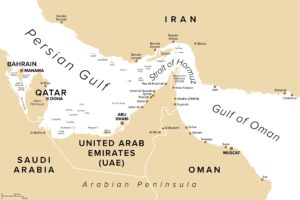
That bypass has become increasingly important during the wider conflict. Reuters reported that the pipeline had recently carried roughly 4 million to 5 million barrels per day. Its closure therefore threatened a meaningful share of global supply while traffic through Hormuz remained disrupted.
For the United States, the consequences reach far beyond foreign energy markets. Diesel prices affect trucking, farming and consumer costs across the American economy. The Trump administration has responded by emphasizing greater production and refining capacity as a way to increase supply rather than restrict exports.
Israel has a different but equally direct interest in regional energy stability. Saudi infrastructure, the Strait of Hormuz and Red Sea shipping all sit within the same strategic environment shaped by Iran and its proxies. Disruption across those routes can raise global prices while increasing pressure on countries aligned against Tehran.
Strength Through Preparation
The United States and Israel share a covenantal tradition that places responsibility alongside national strength. Both societies have long emphasized stewardship, preparedness, protection of life and the ability of a free nation to withstand external pressure. Energy security is one practical expression of those principles.

The current crisis shows why that preparation matters. Russia’s refining problems are removing fuel from world markets, while attacks on Saudi infrastructure threaten alternate oil routes. A system built with little redundancy becomes vulnerable when several disruptions occur at once.
Wright’s comments therefore point to a larger strategic lesson. Reliable energy production, secure pipelines and diversified supply routes are not simply economic concerns. They increasingly form part of the national security architecture protecting the United States, Israel and their regional partners.
The decline in Russia diesel exports and pressure on Saudi Arabia’s East-West pipeline show how quickly war can reach ordinary consumers. The answer envisioned in Genesis is preparation before scarcity arrives. For modern nations, that means resilient infrastructure, strong alliances and the capacity to keep essential energy moving even during crisis.
For more stories on Israel, faith, and the values behind the headlines, follow Sinai on Facebook and Instagram.
Discussion0
No comments yet — be the first to share your thoughts.