Wounded Soldier Moved As Daniel Hagari Remembers Him
Reserve soldier On Arviv said he was deeply moved after Daniel Hagari remembered visiting him in the hospital nearly two years after his injury

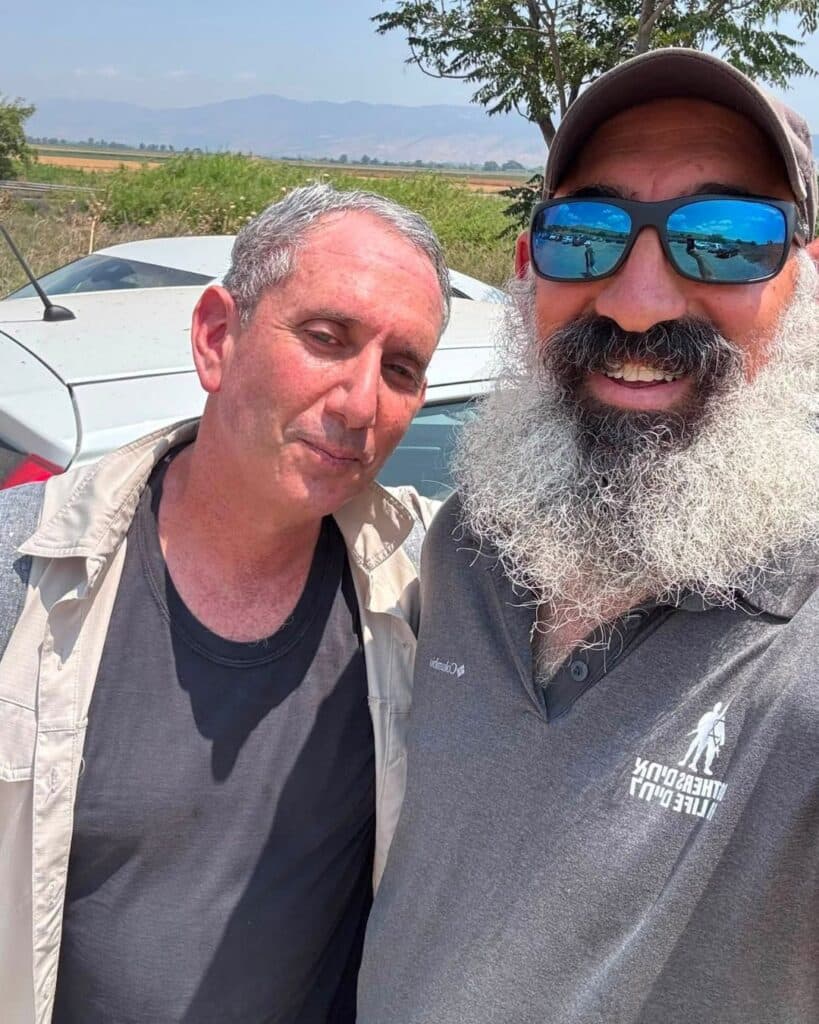
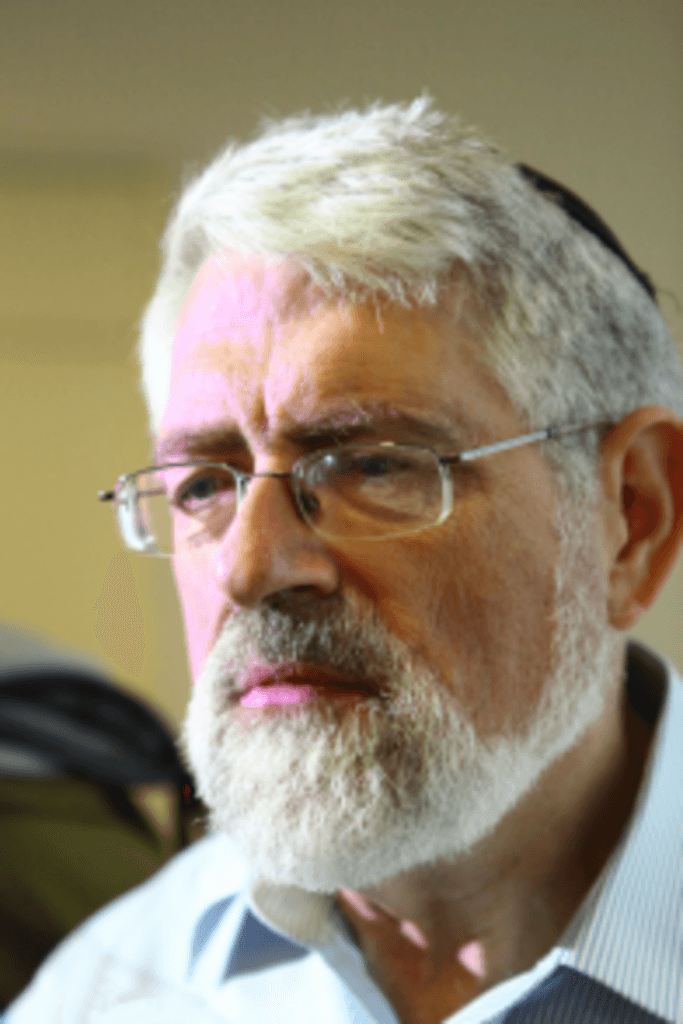
Daniel Hagari wounded soldier story moved many Israelis after reserve soldier On Arviv shared a personal encounter from a family trip in northern Israel.
Arviv wrote that he had gone out for a short trip with his family when a man suddenly approached him and said, “I know you.” At first, Arviv could not place him. Then the man added, “I visited you in the hospital.”
Arviv said his wife, Yael, recognized him behind the sunglasses and large hat. “Wow, that’s Daniel Hagari,” she said. Then Arviv remembered. He had been wounded on October 26, 2024, almost two years earlier.
The Tanakh says, “I have called you by your name; you are Mine.” That verse gives the story its force. War often turns people into numbers: wounded, fallen, evacuated, treated, counted. Yet a true commander remembers the person behind the statistic.
Daniel Hagari Remembers A Wounded Soldier
Arviv wrote that during the war, Hagari met thousands of soldiers, wounded soldiers, and families. He went between hospitals, heard countless stories, and carried days that none of them would forget.
“And still, almost two years later, he remembers me,” Arviv wrote. “He remembers visiting me in the hospital. He remembers the injury. He remembers the story.”
For Arviv, that memory revealed something deeper than politeness. “To me, that says a great deal about the person, and even more about the commander,” he wrote.
He described Hagari as “a commander who sees his people,” remembers them, and understands that behind every wounded soldier, every soldier, and every number, there is a person and a complete story.
“That is the kind of commander I would want to go into battle with,” Arviv wrote.
The Human Side Of Israel’s War
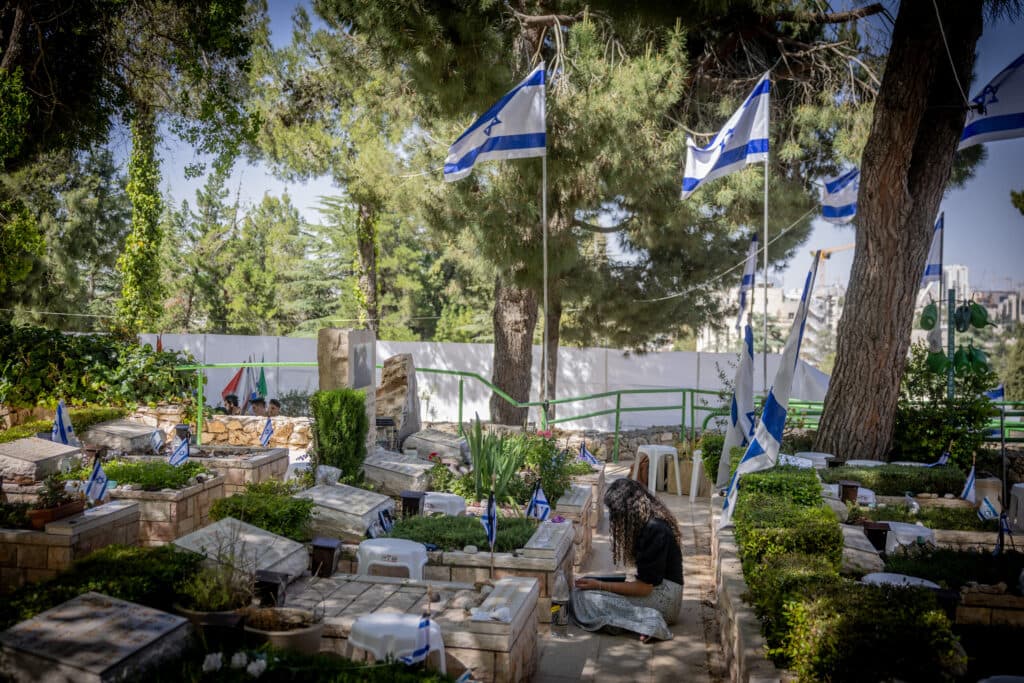
The account carries special weight in a country still living with the human cost of the war. Israel’s wounded soldiers do not disappear when the headlines move on. Their recoveries continue inside homes, hospitals, rehabilitation centers, and families.
Arviv’s post gives a small but important window into that reality. It shows how leadership is measured not only in briefings, commands, and strategy, but also in memory. A commander who remembers a wounded soldier two years later sends a clear message: the army’s people are not forgotten.
That same principle sits behind Israel’s broader security demands. The story adds a human frame to “Netanyahu: No IDF Withdrawal Until Hamas Disarms.” Netanyahu said the IDF will not withdraw until Hamas is truly disarmed, while also warning Iran, addressing Lebanon operations, and rejecting a Palestinian state.
Those policies often appear as strategic headlines. Arviv’s story reminds readers what sits underneath them: soldiers sent into danger, families waiting at hospitals, and commanders responsible for the lives behind every national decision.
Covenant Of Memory And Command
The United States and Israel each carry a separate covenantal responsibility before God in the defense of life and liberty. America’s covenantal tradition speaks through service, sacrifice, and the duty to defend citizens and allies against evil. Israel’s covenant is ancient and unique, rooted in the God of Israel, Torah, Jewish peoplehood, sovereignty, and the return to the land.
This story touches the covenantal meaning of command. Israel does not fight as an anonymous machine. It fights as a people defending homes, families, memory, and the Jewish future. Every wounded soldier carries part of that national burden.
For America, the same lesson applies through its own military tradition: a nation worthy of its service members must remember them by name. Strength without memory becomes cold. Command without care becomes empty.
Arviv’s encounter with Hagari offers a quiet answer to that danger. The meeting did not announce a policy or change a battlefield. It simply showed a commander who remembered one soldier, one injury, and one story.
In a long war, that matters. Israel’s enemies often try to reduce Jewish life to targets and statistics. Israel answers by remembering names, faces, families, and the wounded who still carry the cost of survival.
For more stories on Israel, faith, and the values behind the headlines, follow Sinai on Facebook and Instagram.
Discussion0
No comments yet — be the first to share your thoughts.