Netanyahu: No IDF Withdrawal Until Hamas Disarms
Netanyahu said the IDF will not withdraw until Hamas is truly disarmed, while also warning Iran, addressing Lebanon operations, and rejecting a Palestinian state

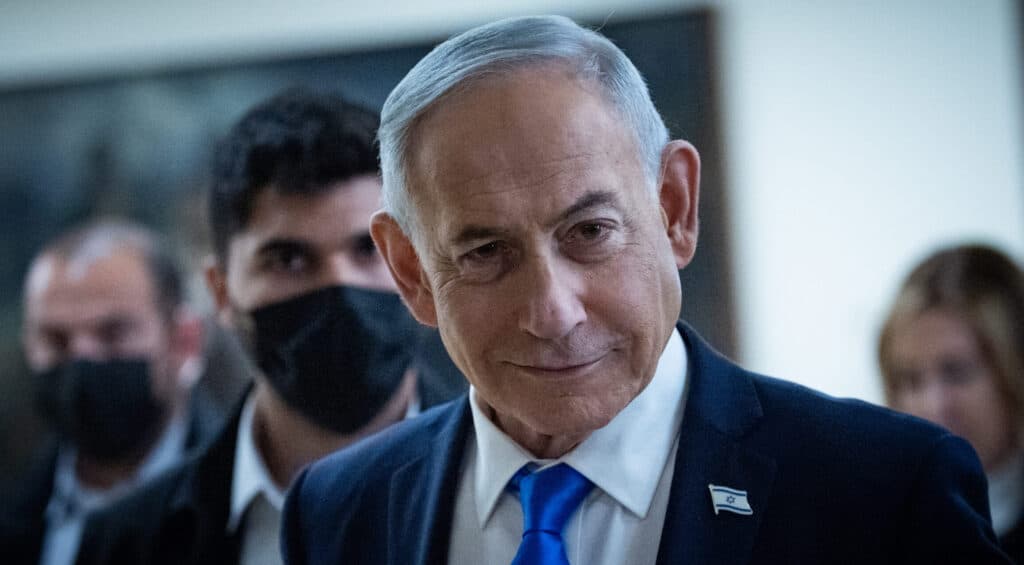
Netanyahu Hamas disarmament remarks at the opening of the government meeting placed Gaza, Iran, and Lebanon inside one strategic message: Israel will not trade security for paper promises.
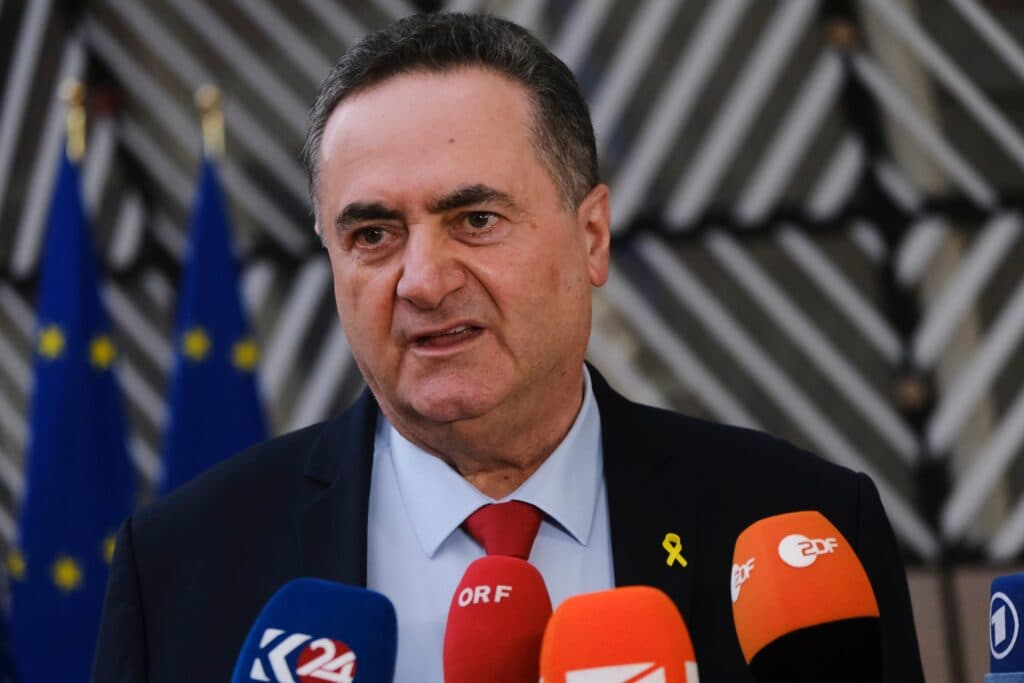
Prime Minister Benjamin Netanyahu said the IDF will not carry out any withdrawal until Hamas undergoes “real disarmament.” He added that Israeli forces will continue to thwart threats against IDF troops and Israeli civilians.
“The IDF will not carry out any withdrawal until there is a real disarmament of Hamas,” Netanyahu said, “and will continue to thwart threats against our forces and our citizens.”
His remarks came as Israel weighs American ideas on Gaza, continues operations in Lebanon, and monitors Iran after weeks of regional escalation. Netanyahu made clear that Israel rejects the 15-point document and will not accept a symbolic formula that leaves Hamas armed.
The Tanakh says, “You shall not fear them, for the Lord your God, He shall fight for you.” The verse does not remove Israel’s duty to act. It gives moral weight to a nation that refuses to gamble with its survival while enemies openly seek its destruction.
Real Disarmament, Not A Fiction
Netanyahu said Hamas must give up all categories of weapons before any IDF withdrawal. “When I say Hamas is disarmed, I mean the heavy weapons, the less heavy weapons, all the weapons,” he said. “And we are talking about real disarmament, not a fictitious one.”
That line is the center of the statement. Israel is not only debating geography or timing. It is insisting that Gaza cannot move toward a new future while Hamas keeps the armed infrastructure that enabled October 7, hostage-taking, tunnel warfare, and attacks on Israeli communities.
Netanyahu also rejected the establishment of a Palestinian state in Gaza, Judea, or Samaria while he remains prime minister. He said there would be no “Fatahstan” and no “Hamastan,” framing the issue as a direct threat to Israel’s national security rather than a routine diplomatic dispute.
The American angle is also explicit. Netanyahu said Israel is currently speaking with the United States about the issue. Some American ideas are acceptable to Israel, he said, while others are not. That phrasing keeps the alliance intact while drawing a firm line: Washington can propose, but Jerusalem will not surrender the security judgment that protects Israeli citizens.
Iran, Lebanon, And The Northern Front

Netanyahu also pointed to Iran’s behavior across the region. He said Iran has attacked many countries, inside and outside the region, but has not attacked Israel in recent weeks because it understands the powerful blow Israel would deliver in response.
On the nuclear issue, Netanyahu was even more direct. “With or without an agreement, as long as I am Prime Minister, Iran will not have nuclear weapons,” he said. “The existence of Israel is not up for negotiation.”
Lebanon formed the third part of the statement. Netanyahu said Israel has acted forcefully in recent days, including on the Ali Taher ridge, and has eliminated terrorists. He said he could not elaborate, but described the current activity as important, prudent, and determined.
Those remarks show how Israel is managing several fronts at once. Gaza requires disarmament. Lebanon requires active threat removal. Iran requires deterrence backed by the credible threat of force. The common thread is not escalation for its own sake, but a refusal to let hostile actors decide when Israel may defend itself.
This also sharpens the relevance of “El-Sayed Campaign Took Over $115K From Hamas Linked Donors.” A Fox News report said Abdul El-Sayed’s campaign received more than $115,000 from CAIR-linked donors, raising new questions about his anti-Israel record. While Netanyahu is insisting on Hamas disarmament and Iranian nuclear prevention, parts of American politics are still debating Israel’s basic legitimacy and right to defend itself.
Covenant Of Survival, Sovereignty, And Clear Red Lines
The United States and Israel each stand before God with a distinct covenantal burden. America’s covenantal tradition is tied to ordered liberty, constitutional responsibility, and the defense of free nations against tyranny. Israel’s covenant is older and unique, rooted in the God of Israel, Torah, Jewish peoplehood, sovereignty, and the return to the land.
Netanyahu’s statement places that difference into a shared strategic reality. America can help shape diplomacy, apply pressure, and propose frameworks, but Israel carries the immediate responsibility for Jewish survival. The Israeli prime minister is saying that no document, meeting, or international formula can replace the hard requirements of disarmament, deterrence, and sovereignty.
That message matters in Washington because American support for Israel is not only about friendship. It is about whether the United States still recognizes the difference between an ally defending its citizens and terror movements trying to survive through delay, denial, and diplomatic pressure.
It matters in Jerusalem because Israel’s leaders must keep the covenantal responsibility of Jewish defense above international impatience. A withdrawal without real disarmament would not create peace. It would leave Hamas with time, weapons, and tunnels to rebuild the next war.
Netanyahu’s remarks therefore leave little ambiguity. Iran’s nuclear program is not negotiable. Hamas’s weapons cannot remain. Hezbollah’s threats in Lebanon will be answered. Israel may coordinate with America, but the survival of the Jewish state will not be outsourced.
For more stories on Israel, faith, and the values behind the headlines, follow Sinai on Facebook and Instagram.
Discussion0
No comments yet — be the first to share your thoughts.