Israel Seeks Remains of Kidnapped Lebanese Jewish Leaders
Israel is seeking the remains of Lebanese Jewish leaders murdered in the 1980s as their fate becomes part of U.S.-mediated negotiations with Beirut


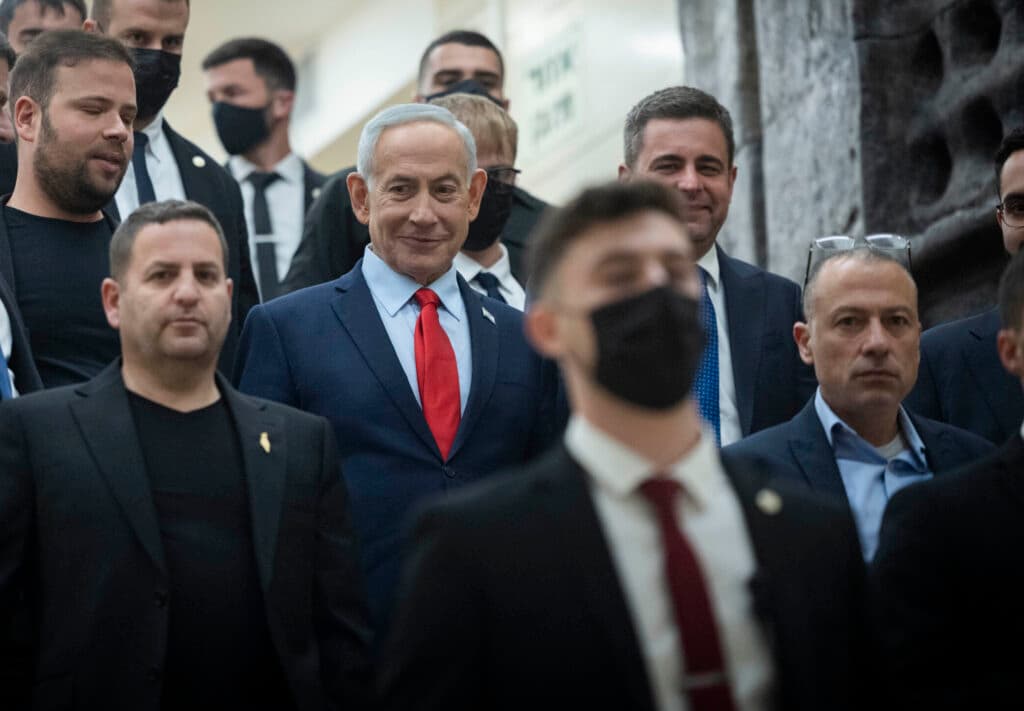
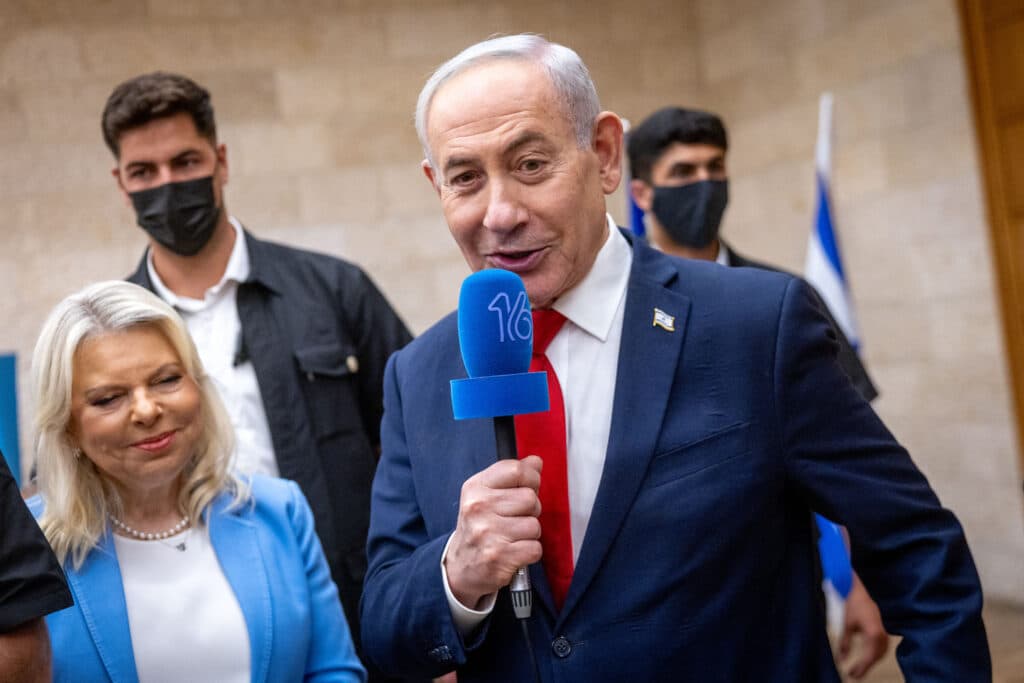
Israel is seeking the remains of Lebanese Jewish leaders kidnapped and murdered by terrorist organizations during the 1980s. Prime Minister Benjamin Netanyahu’s office revealed Thursday that the decades-old case now forms part of U.S.-mediated negotiations with Lebanon.
Netanyahu instructed Israeli negotiators to advance efforts to locate and return the victims’ remains. According to the Prime Minister’s Office, Israel and Lebanon have taken numerous steps in recent months to locate them. Those efforts have included operations on the ground.
The case carries a distinctly Jewish obligation of memory. In 2 Samuel 21, King David recovers the remains of Saul and Jonathan and ensures their proper burial. Scripture then records that “God heeded the plea for the land.” The account reflects an enduring Jewish principle: neither time nor political change cancels the duty to honor the dead.
Lebanese Jewish Leaders Targeted in the 1980s
The story stretches back more than four decades. Lebanon once had an established Jewish community centered largely in Beirut. Civil war, emigration, instability, and antisemitic violence dramatically reduced its population. By 1981, contemporary reports estimated that only around 200 Jews remained in Lebanon.
During the mid-1980s, terrorists began systematically abducting prominent members of that shrinking community. The victims included doctors, merchants, religious figures, and senior communal leaders.
Netanyahu became personally involved while serving as Israel’s ambassador to the United Nations. In March 1986, he sent UN Secretary-General Javier Pérez de Cuéllar a formal letter detailing the kidnappings and murders.
At the time, Israel said terrorists had kidnapped nine Lebanese Jews. Four had already been murdered: Haim Cohen-Halala, Isaac Tarrub, Abraham Benisti, and Dr. Elie Hallak. Five others remained captive, including community president Isaac Sasson and former executive secretary Salim Janous. Netanyahu stressed that the victims were civilians, not combatants or militia members.
The killings continued. In early 1987, Israel told the UN that a Lebanese Shiite terrorist organization had announced three additional murders. Israel linked the organization closely with Hezbollah. The victims’ remains did not return to their families.
The Prime Minister’s Office now refers to these murdered Jewish figures as Harugei Malchut. The Hebrew designation honors Jews killed by hostile regimes or organizations because of their identity or connection to Israel.
Netanyahu’s renewed effort therefore carries unusual historical continuity. More than 40 years after raising their fate at the UN, he is still seeking their return.
Five Lebanese Civilians Released
The search also adds important context to “Israel to Release Five Lebanese Detainees.” Israel said its investigation found that the five Lebanese detainees were civilians. They did not belong to terrorist organizations and had not participated in terrorism. Israeli authorities therefore found no security reason to keep holding them.

The Prime Minister’s Office linked their release to the significant activity surrounding the search for the murdered Lebanese Jews. The move also supports the broader negotiations now taking place with American coordination.
Lebanese Prime Minister Nawaf Salam presented the release as progress on Beirut’s own detainee demands. He thanked the Trump administration and U.S. Ambassador to Lebanon Michel Issa for their efforts.
“The safe return to their homeland of every Lebanese who was released is an important step,” Salam said. He pledged to seek the release of other Lebanese prisoners and answers about missing people. He also repeated Beirut’s demand for a complete Israeli withdrawal from Lebanese territory.
Jerusalem and Beirut are therefore emphasizing different parts of the same diplomatic process. Lebanon highlights the return of its citizens. Israel emphasizes both their civilian status and Lebanese cooperation in locating murdered Jews.
The negotiations now reach beyond military positions and ceasefire arrangements. They are also confronting unresolved human cases that have remained open for decades.
Memory, Sovereignty and American Mediation
American mediation gives the process wider strategic importance. Washington has pushed for stronger Lebanese sovereignty while working to protect Israel from renewed threats across its northern border. The negotiations could test whether Beirut can address disputes directly rather than leaving Hezbollah to dictate relations with Israel.
The history of Lebanon’s murdered Jews makes that question especially significant. These men were Lebanese citizens. Terrorists kidnapped and murdered them during an era when militias repeatedly overpowered legitimate state authority.
Lebanon faces a related sovereignty challenge today. Hezbollah still maintains an armed structure outside the full control of the Lebanese government. Its relationship with Iran has also allowed Tehran to influence decisions that directly affect both Lebanon and Israel.
America and Israel share important principles in confronting that problem. Both national traditions value lawful sovereignty, human dignity, responsibility before God, and the defense of innocent life. Both also recognize that a state must control the armed forces operating from its territory.
A stronger Lebanese state could therefore serve American and Israeli interests simultaneously. Washington wants a stable regional partner rather than another Iranian proxy arena. Israel wants a northern neighbor whose government can enforce agreements and prevent independent armed groups from threatening Israeli civilians.
Recovering the remains of Lebanon’s murdered Jewish leaders would not undo what happened to their community. It would, however, restore dignity to men whose killers tried to erase them. It could also give their families something terrorism denied them for four decades: a grave and a place to mourn.
Israel’s release of the five civilians reflects another principle. When an investigation finds no terrorist involvement, security policy should recognize that fact. Strength and justice do not contradict each other.
Netanyahu’s pursuit of the murdered Jews carries an equally clear message. Governments change, wars end, and decades pass, but Jewish memory does not expire.
For more stories on Israel, faith, and the values behind the headlines, follow Sinai on Facebook and Instagram.
Discussion0
No comments yet — be the first to share your thoughts.