Israeli Journalist: Netanyahu’s Work Pace Remains “Unimaginable”
Ariel Kahana wrote that Netanyahu’s work pace remains “unimaginable,” arguing that his stamina and abilities still shape Israel’s political moment

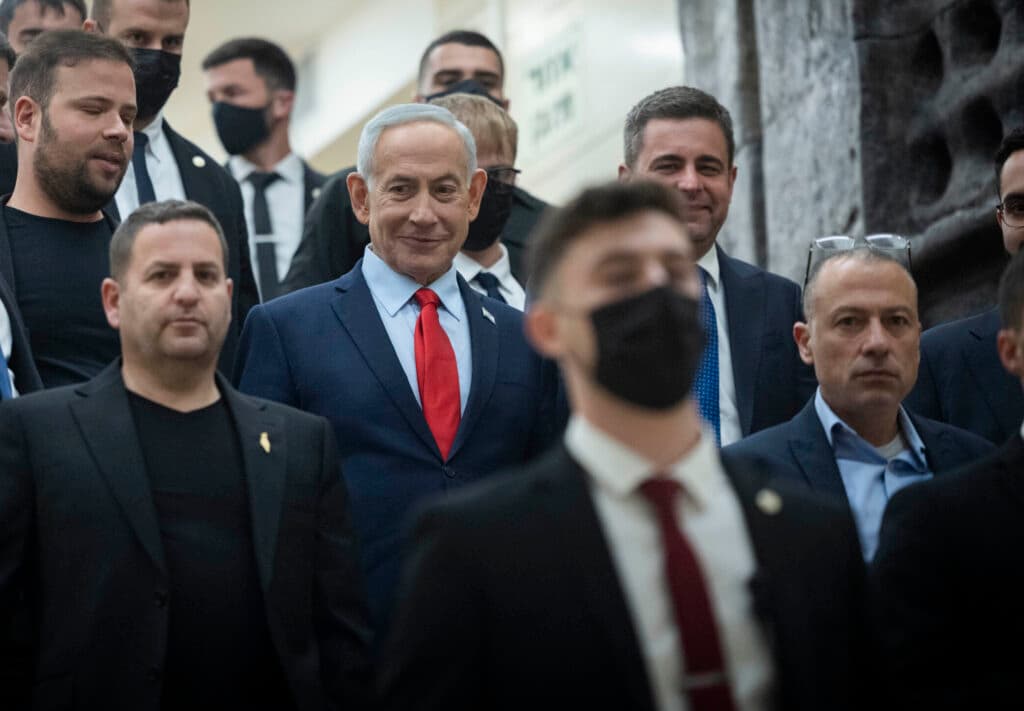
Journalist Ariel Kahana wrote in his Israel Hayom column that Netanyahu’s work pace remains “unimaginable,” even as the prime minister approaches age 77.
Kahana addressed rumors spread by Netanyahu’s rivals and argued that the prime minister’s stamina remains far beyond normal political standards.
“Contrary to the rumors circulating among his rivals, even as he approaches age 77, Netanyahu’s work pace was and remains unimaginable,” Kahana wrote.
The Tanakh says, “The glory of young men is their strength, and the beauty of elders is gray hair.” The verse does not erase questions about age or leadership. Instead, it points to a deeper balance between energy, experience, and responsibility.
Netanyahu Work Pace
Kahana did not ignore Netanyahu’s age or health history.
“True, he has a pacemaker, he is thin, he had a small cancer and his makeup is heavy,” Kahana wrote.
However, he argued that those visible details do not tell the whole story.
“And still, by the end of the current term, there will be people who leave his office just to restore some sanity to their lives,” he added.
The point was not only about Netanyahu’s personal stamina. It was also about the pressure around him. Israel’s prime minister operates under war, diplomacy, domestic politics, hostage negotiations, and constant security decisions.
In that environment, physical endurance and cognitive sharpness become political issues, not only personal ones.
Kahana On Netanyahu’s Rivals

Kahana wrote that Netanyahu’s physical and cognitive abilities remain “significantly better than those of most people.”
He added that they are “certainly better than those of his rivals.”
That assessment will be debated, especially in Israel’s polarized political environment. Supporters see Netanyahu as a uniquely experienced leader in a historic moment. Critics argue that Israel needs renewal after years of political division, war, and pressure.
Kahana’s column therefore fits into a larger Israeli debate. It is not only about age. It is about whether Netanyahu still has the stamina, judgment, and political command to lead Israel through a dangerous period.
Israel, America And Leadership
That question also connects directly to Israel’s relationship with the United States.
The issue surfaced in “Great Friends, Common Goals: Netanyahu Says Trump and Israel Remain Aligned.” Netanyahu confirmed a difficult call with President Donald Trump but downplayed any serious rift, saying the two leaders remain aligned on the main issues.
For Israel, the Netanyahu-Trump relationship matters because Washington remains Israel’s most important strategic ally. Even when disagreements emerge, both governments must manage Iran, Hezbollah, regional diplomacy, and military coordination.
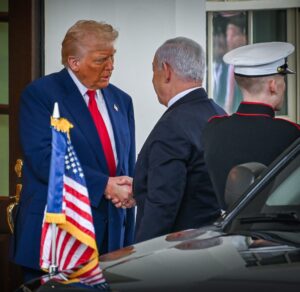
For America, Israel’s leadership also matters. The U.S.-Israel alliance depends on trust, speed, and clarity between leaders who face urgent decisions.
The United States and Israel also share a covenantal understanding before God. Both nations, at their best, see liberty as a moral calling, not only a political system.
That shared belief includes faith in divine promise, the dignity of human life, and the duty to stand with those who refuse to surrender to terror, tyranny, or antisemitism.
For Israel, that duty includes defending Jewish life in the land promised to the Jewish people. For America, it includes using strength to protect freedom and stand with allies who carry that same moral burden.
Kahana’s argument will not settle the political debate around Netanyahu. However, it adds one clear claim to the conversation: whatever one thinks of him, Netanyahu’s pace remains central to Israel’s current moment.
For more stories on Israel, faith, and the values behind the headlines, follow Sinai on Facebook and Instagram.
Discussion0
No comments yet — be the first to share your thoughts.