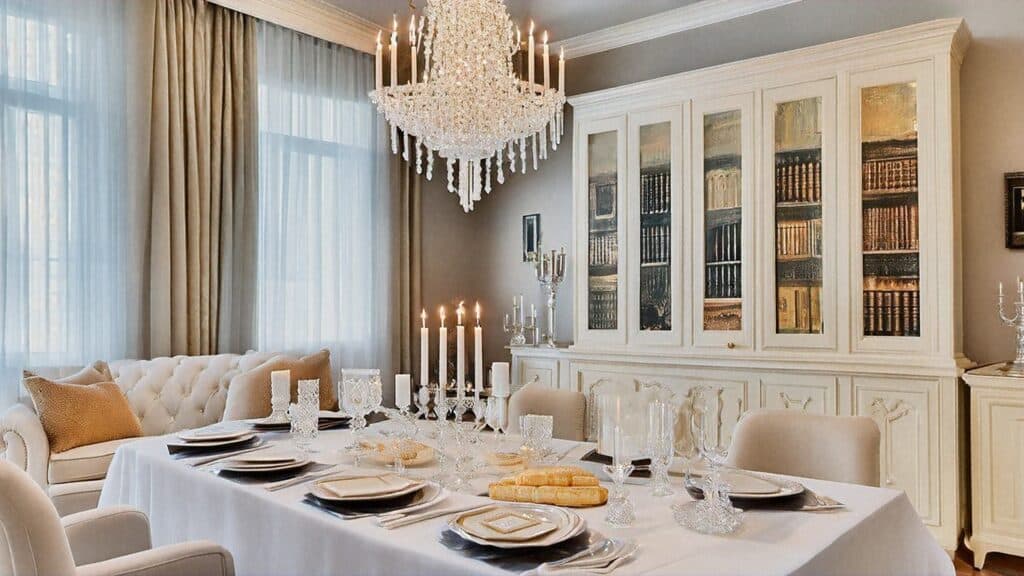

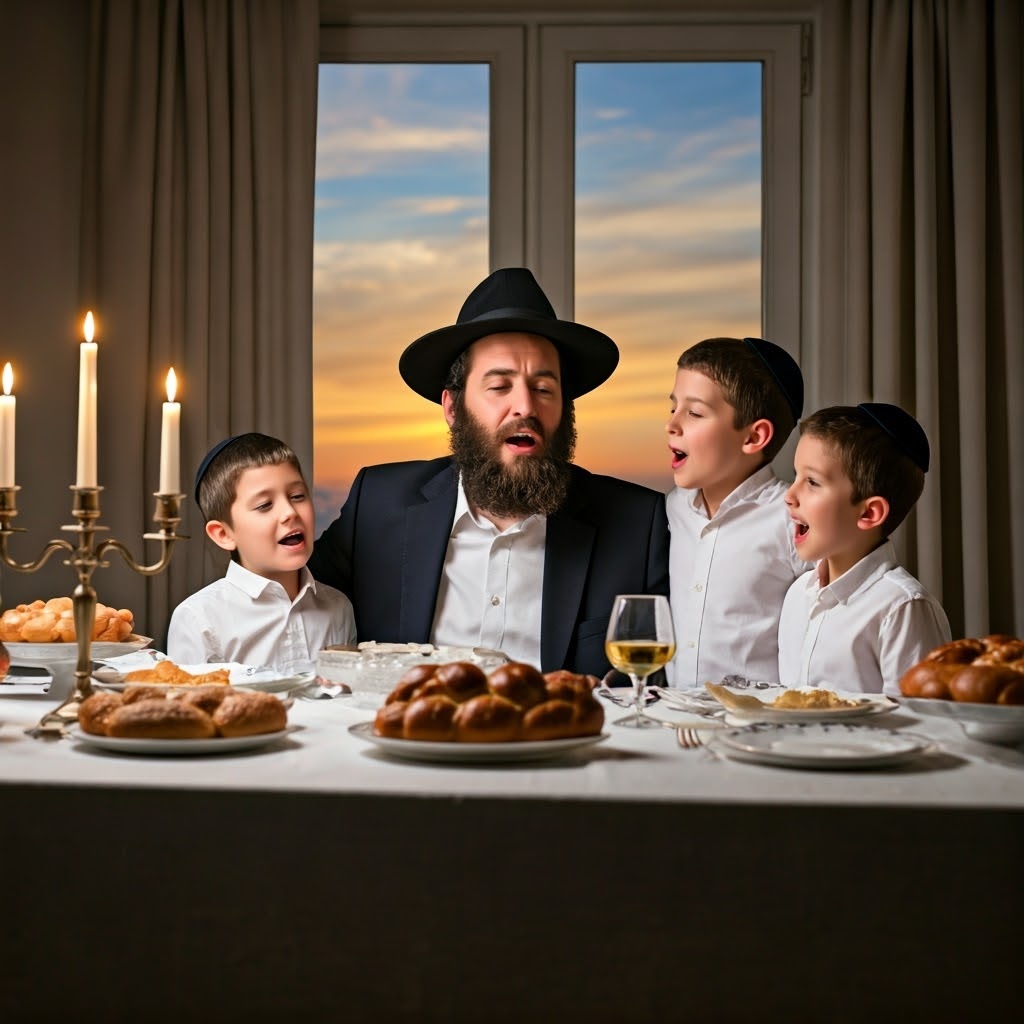
Shabbat Table Illustration. | Photo: Shutterstock
Takeaways
- Shabbat begins with the lighting of candles.
- The word “holy” in the Bible shows up first on this exact day.
- Jewish tradition treats rest as a sacred command.
- Every Friday night, the home becomes something like a small sanctuary.
- Keeping this rhythm is one of the oldest continuous acts of faith on earth.
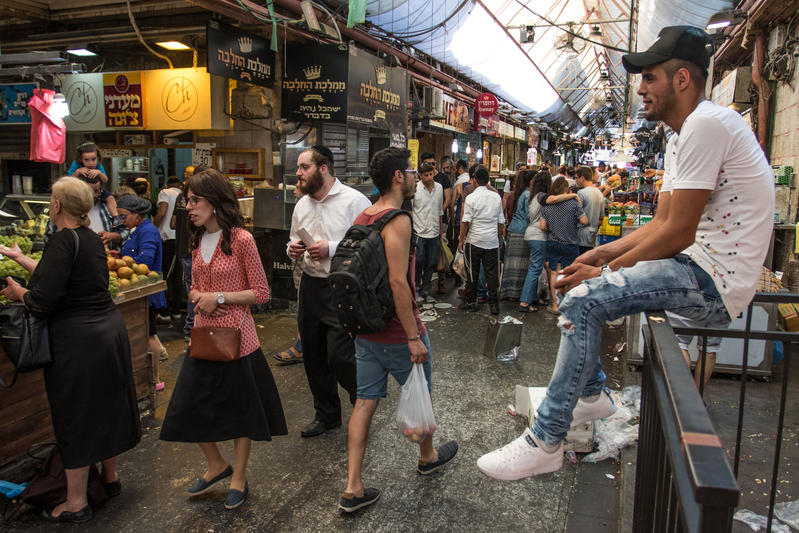
Friday afternoon in Jerusalem sounds like a countdown. Shops rush to close, buses fill up, and somewhere around four o’clock the whole city seems to exhale at once. I felt it the first time I stood in the shuk (Jerusalem’s open air market) an hour before sunset, watching people grab the last bunches of flowers off a cart because every home wants something beautiful on the table before Shabbat begins.
That’s the thing about Shabbat. It doesn’t creep in quietly. People build toward it all week.
It Starts With Light
Most people hear “Sabbath” and picture a nap. The actual tradition starts with a match.
Two candles get lit before sunset, one for “remember” and one for “keep,” the two words used for this day in the Ten Commandments. Genesis says God rested on the seventh day. Exodus says the Israelites are commanded to observe it. Traditional Jewish sources have always held both of those verses in the same hand.
Once those candles are lit, work stops. Phones go dark. The candle itself becomes the last bit of business before a full day turns over to something else entirely.
Holy Time Existed Before Holy Places
Here’s a piece of trivia that surprises a lot of people. The word “holy” appears for the first time in the entire Bible in Genesis 2:3, describing the seventh day. A day, ahead of any mountain or temple.
Jewish tradition has run with that idea for thousands of years. Time itself can be set apart. Genesis puts it plainly: “God blessed the seventh day and sanctified it.” A sunset and a decision to stop are enough to enter something sacred.
📖 This piece highlights how Jews usher in the Shabbat and what follows, the spiritual treasure of Shabbat that permeates the home.
The Meal Table Becomes an Altar
Friday night dinner carries its own weight of meaning. Two braided loaves sit on the table, covered, echoing the double portion of manna that fell before the Sabbath in the wilderness. Wine gets blessed before bread. Songs get sung between courses.
Kids get blessed by their parents at that table, an ancient Jewish blessing that borrows the exact words a priest once used in the desert Tabernacle. It’s the same words, just spoken by a mom and dad instead.
I’ve sat at tables like this in Jerusalem where the meal ran three hours and nobody once checked a phone. Nobody wanted to.
Rest Here Means Something Bigger Than Sleep
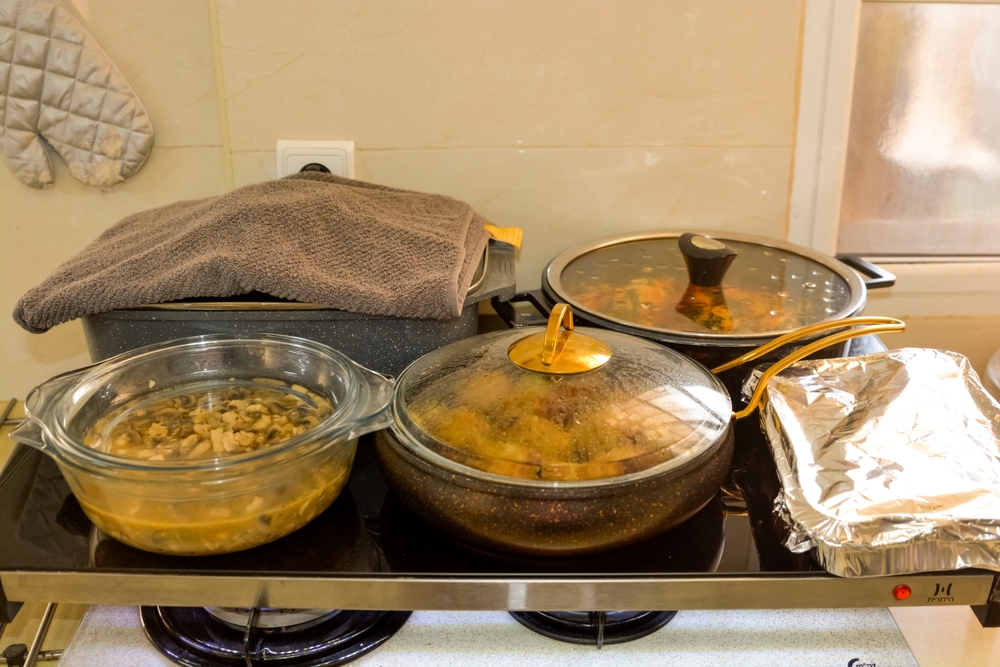
The Hebrew word for the kind of stopping required on this day is melachah, and it has nothing to do with sweat or effort. It’s about creative control over the world, building, planting, writing, starting fires.
For one day, a Jewish family sets that control down completely. The point is remembering that the world ran perfectly fine before any human touched it, and it’ll keep running long after.
That’s a strange kind of freedom. You stop pretending you’re in charge for twenty five hours.
The Ten Commandments say it directly: “Six days shall you labor, but the seventh day is a Sabbath.” It’s a commandment built into the architecture of the week itself.
A Weekly Rehearsal for Eternity
Jewish tradition describes Shabbat as “one sixtieth of the world to come.” The world to come, olam haba, is the afterlife itself, the place the soul goes after death, sometimes called the Garden of Eden. Sages who taught that phrase meant something specific by it: one day a week, a soul gets a small taste of the peace waiting on the other side of this life. That’s a bold claim, and it rests on every mitzvah of the day working together. Candles, wine, the meal, the songs, the rest itself, all of it is designed to bring oneg, pleasure, to the soul.
But stand in any Jewish neighborhood as Shabbat begins and you’ll feel why the claim has survived three thousand years. Streets grow quiet. Families gather. Something ancient and ‘holy’ clicks into place, right on schedule, every single week, the same day God set apart at the very beginning of time.
Want to keep reading? If any of this has sparked your curiosity, read more about the two fascinating dimensions of Shabbat here. Explore more on faith, values, and the Land of Israel at Sinai Project.
Discussion0
No comments yet — be the first to share your thoughts.