Shabbat Part 2: Kabbalat Shabbat, Welcoming the Divine
Embark on a weekly learning journey: unveiling the Jewish wisdom about the Sabbath.


Actively Receiving the Sabbath
Shabbat begins as the sun sets on Friday, typically in the Synagogue with the evening prayer, followed by a family dinner. However, several hundred years ago, an additional element was introduced to enhance the onset of Shabbat. In the 16th century, the rabbis of Tzfat (Safed) recognized the profound significance of Shabbat and felt that its arrival should be marked with greater ceremony. These mystical rabbis believed that it wasn’t enough for Shabbat to simply ‘arrive’; rather, we needed to actively ‘receive’ it.
This led to the creation of the beautiful prayer service known as Kabbalat Shabbat, which means “Receiving the Sabbath”. Kabbalat Shabbat embodies the idea that we must actively embrace the holiness of Shabbat. By doing so, we unlock the spiritual treasure of Shabbat, allowing it to permeate our families and communities.
Illustration of Kabbalat Shabbat, filmed before Shabbat:
The Kabbalat Shabbat prayer service consists of:
- Six psalms (95-99, 29)
- The poem “Lecha Dodi” (‘Come, my beloved’)
- Two additional psalms (92, 93)
The rabbis chose psalms as the foundation of this new prayer service due to their timeless nature and emotional resonance. The Book of Psalms, primarily attributed to King David and ten elders in the Biblical era, contains 150 chapters of poetry praising God, expressing gratitude, or crying out in times of distress.
These psalms were originally sung in the Temple by the Levites and have been recited by the Jewish people throughout history. Today, Psalms remains one of the most frequently recited parts of the Bible, resonating with both Jews and Christians. The emotional depth of these ancient texts allows modern worshippers to connect with God using the words of their ancestors.
The six psalms chosen for Kabbalat Shabbat focus on praising God as king and creator. This selection may symbolize the six days of the week, building towards a spiritual climax where we acknowledge God’s supremacy. It reminds us that while we create and build during the six weekdays, on the seventh day we cease our creative work and recognize the One Creator.
Enjoy this illustration of the spirit of Shabbat, filmed during the week because Jewish law doesn’t permit musical instruments, recording, microphones, etc on Shabbat:
Lecha Dodi: A Song of Love
The highlight of the Kabbalat Shabbat service is “Lecha Dodi,” composed by Rabbi Shlomo Alkabetz, a 16th-century kabbalist from Safed. This poetic song portrays Shabbat as a bride and the Jewish people as her beloved. It begins with the words, “Lecha dodi likrat kala” (Come, my beloved, to meet the bride). This imagery is rooted in Talmudic descriptions of rabbis in ancient Israel who would wrap themselves in special garments on Friday afternoon and leave their homes, saying, “Let us go out to greet the Sabbath queen.”
As sunset approached, they would sing, “Come, O bride! Come, O bride!” This tradition emphasizes the importance of actively welcoming Shabbat rather than passively waiting for its arrival.
Honoring Shabbat
The preparations we make every Friday are called “kavod Shabbat” (honoring the Sabbath). These include:
-
- Cleaning and preparing our homes
- Lighting Shabbat candles
- Procuring special wine for Shabbat
- Preparing a festive meal
- Personal grooming (bathing, washing clothes, haircuts)
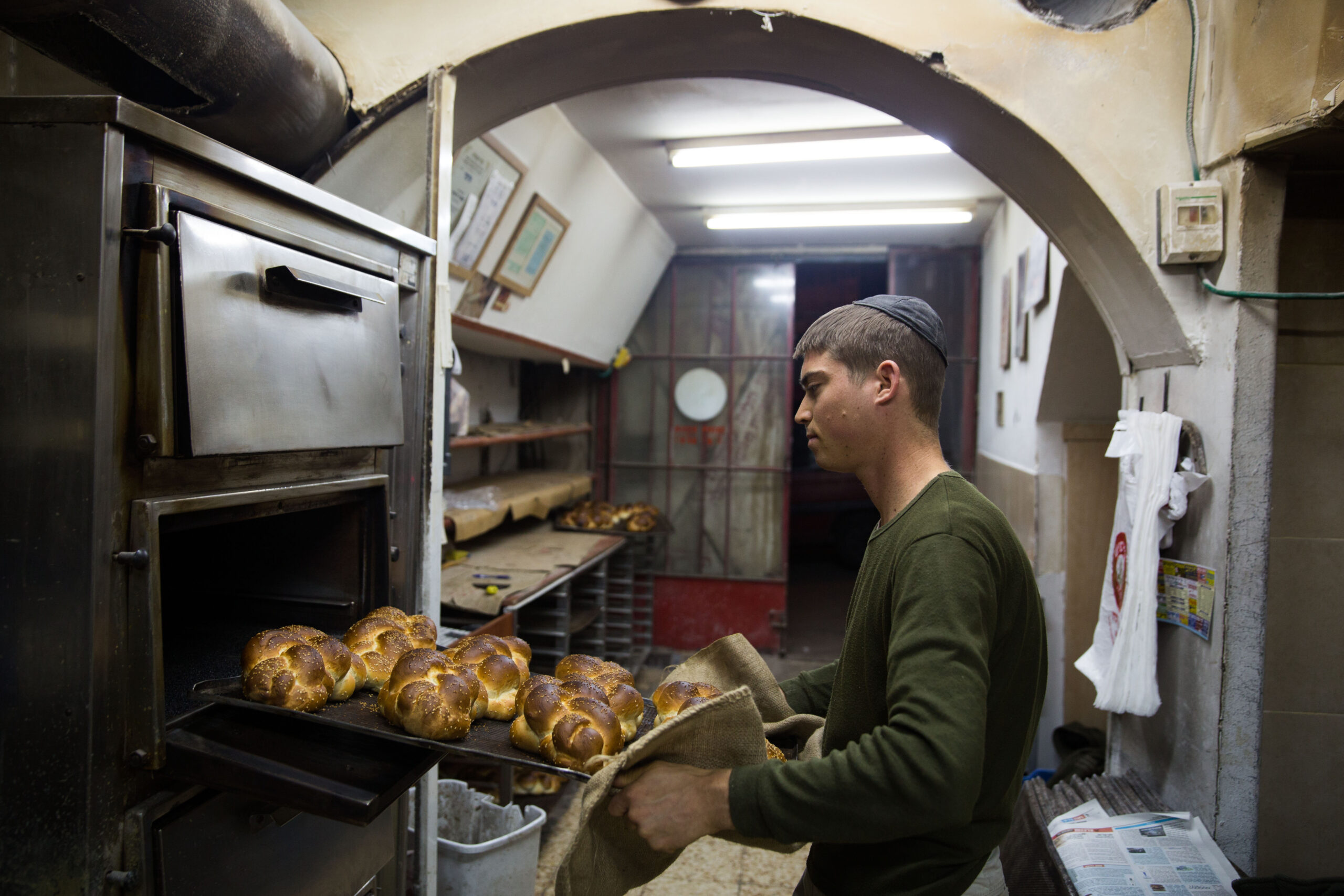
These actions serve to distinguish Shabbat as the most special day of the week. The holiness of Shabbat is directly related to how we prepare for it and how we set it apart from other days. Shabbat is a day of rest, joy, peace, family, prayer, and shared meals with loved ones.By actively welcoming and honoring Shabbat, we create a sacred time that offers respite from the demands of daily life and an opportunity for spiritual renewal.

Discussion0
No comments yet — be the first to share your thoughts.