U.S. Middle East Security Alerts Follow New Iran Threats
U.S. diplomatic missions across the Middle East issued coordinated security alerts as Iranian officials threatened Israel, American interests and regional infrastructure
Sinai Desk
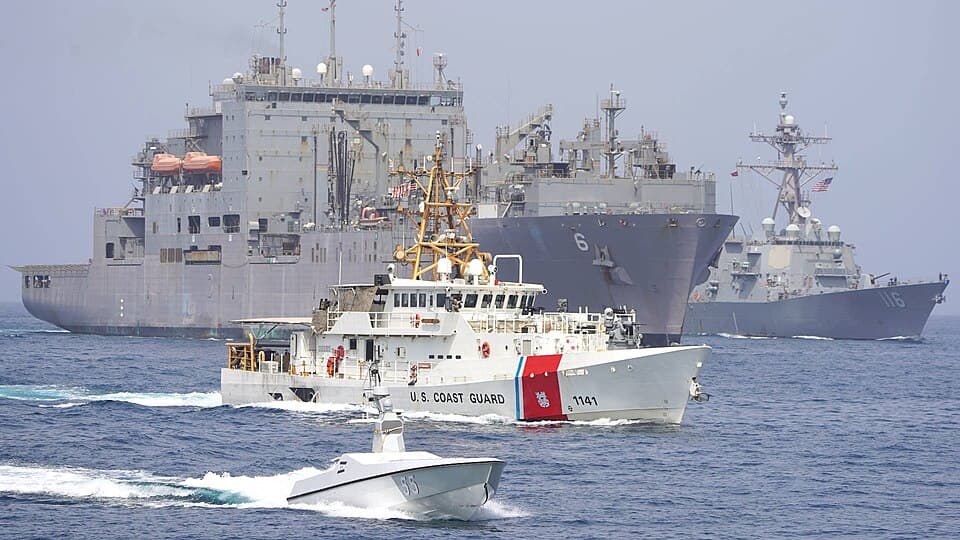
U.S. Middle East security alerts spread across the region Sunday night as Washington warned Americans to remain vigilant amid threats from Iran and the Houthis. The warnings came as several senior Iranian officials issued separate threats against Israel and the United States. American diplomatic posts cautioned about possible escalation, airspace closures, canceled flights and other travel disruptions.
The initial regional report identified 11 countries. However, official U.S. alert records also show an October 18 warning from the embassy in Kuwait. That brings the coordinated warnings to 12 country posts: the UAE, Jordan, Lebanon, Qatar, Iran, Israel, Bahrain, Oman, Saudi Arabia, Yemen, Iraq and Kuwait.
Psalm 121:4 declares, “Behold, he that keepeth Israel shall neither slumber nor sleep.” The language of vigilance carries particular weight during a period when threats can move rapidly from rhetoric to missiles, drones or attacks on infrastructure. The latest American warnings show that Washington is treating the regional environment as a threat not only to Israel, but also to U.S. citizens and interests across the Middle East.
U.S. Middle East Security Alerts Expand Across Region
The October 18 alerts used similar language. Americans were urged to exercise “heightened vigilance” because of what the missions described as a complex security environment. The warnings also highlighted the possibility of sudden flight cancellations, airspace restrictions and other disruptions.
The alerts followed renewed Houthi attacks against Saudi Arabia and continued threats linked to Iran. The U.S. Mission in Saudi Arabia has issued repeated warnings this month after attacks on airports and other infrastructure. Washington has also warned that Iranian-supported groups may threaten American interests across the region.
The scale of the diplomatic response is significant. Jerusalem, Abu Dhabi, Doha, Manama and Muscat all host important American diplomatic and strategic relationships. Iraq, Jordan, Lebanon and Saudi Arabia also sit close to active military or proxy fronts. The simultaneous warnings therefore reflect a threat environment that extends well beyond one border.
The American warning in Jerusalem is especially relevant to Israel. U.S. citizens in Israel now face the same heightened-vigilance guidance issued across the broader region. Washington is therefore treating the present escalation as a regional security problem rather than an exclusively Israeli-Iranian confrontation.
Iran Issues Three New Threats
Iranian Foreign Minister Abbas Araghchi issued one of the strongest warnings. Addressing the prospect of renewed U.S. military action, he wrote: “Last time you wanted to ‘finish the job,’ Iran emerged even stronger. Want to try your luck again? Be our guest. But be careful; we have unfinished jobs too.” He also accused Prime Minister Benjamin Netanyahu of trying to pull Washington into another war to avoid prison.
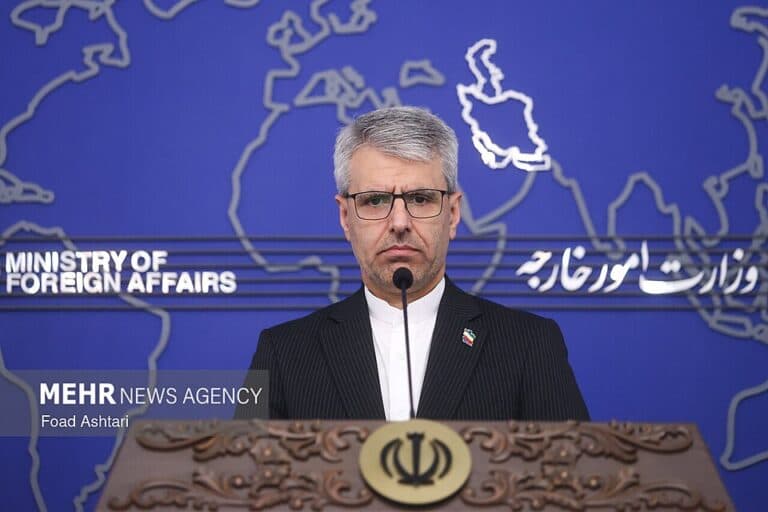
The second threat came from Islamic Revolutionary Guard Corps spokesman Brigadier General Hossein Mohebbi. He warned that any strike on Iran’s energy infrastructure would result in Israel becoming “scorched earth forever.” Mohebbi also threatened that Israelis would be driven into the Sinai Desert.
Major General Ali Abdollahi then delivered another warning directed at Washington and Jerusalem. Iranian media quoted him saying President Donald Trump had grown old and lacked the strength even to stand. Abdollahi warned that another “miscalculation” would meet a response far more severe than before and said Iran was “counting the moments” until another American or Israeli decision.
He concluded with an additional threat: “The next roar will be much closer, far more devastating, and impossible to intercept.” Iranian outlets presented the statement as proof of Tehran’s readiness for another confrontation.
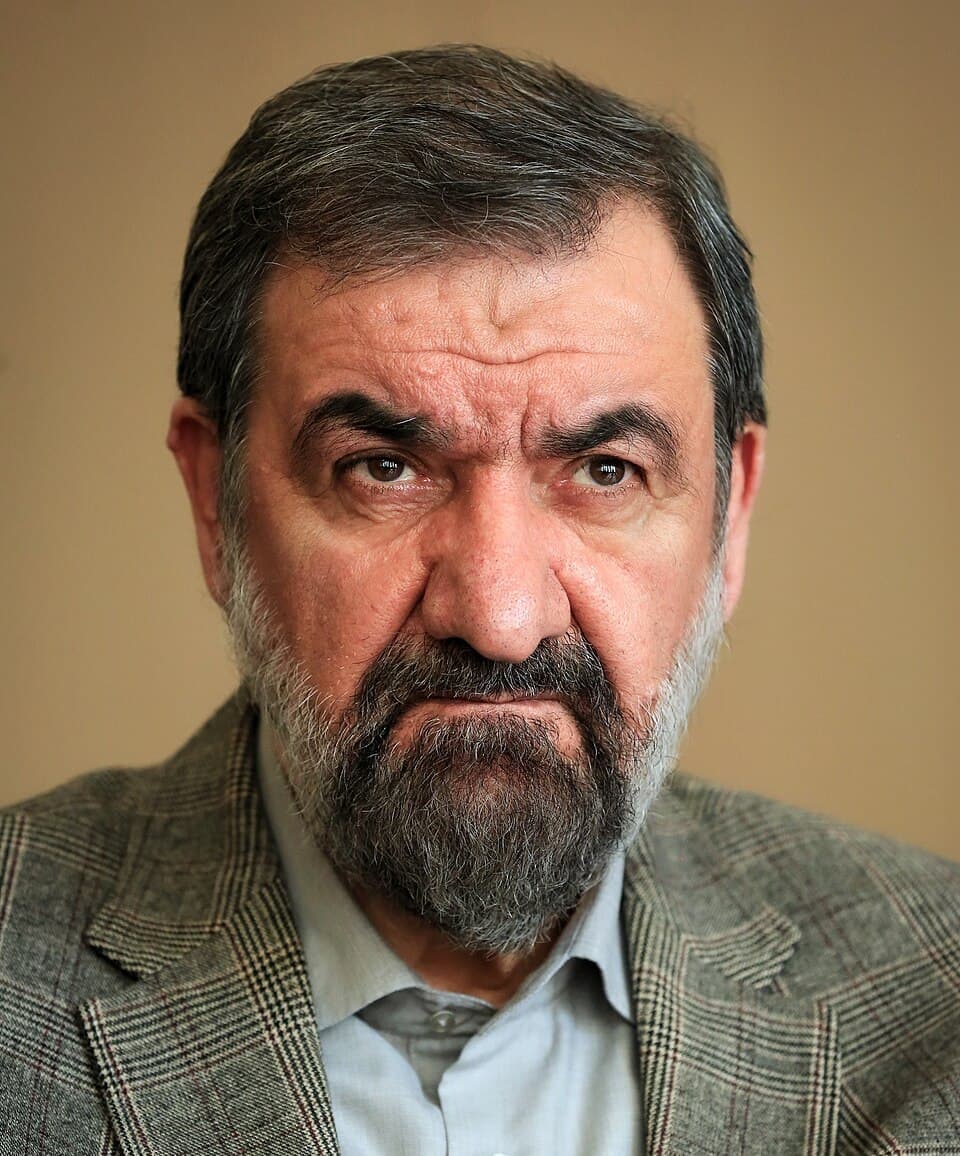
The escalation builds directly on the threats examined in “Iran Threatens Gulf Data Centers, AI Sites if War Resumes.” In that episode, Mohsen Rezaee warned that another war could bring attacks against communications cables, data centers, artificial intelligence facilities and American assets around the UAE and Strait of Hormuz. The latest statements broaden that same deterrence message toward Israeli territory, U.S. leadership and regional energy infrastructure.
Threats Against Israel Also Target American Power
Iran’s rhetoric repeatedly links Israel and the United States as one strategic adversary. That is visible in the latest warnings. Araghchi addressed American military action, Mohebbi threatened Israel directly, and Abdollahi warned both Washington and Jerusalem.
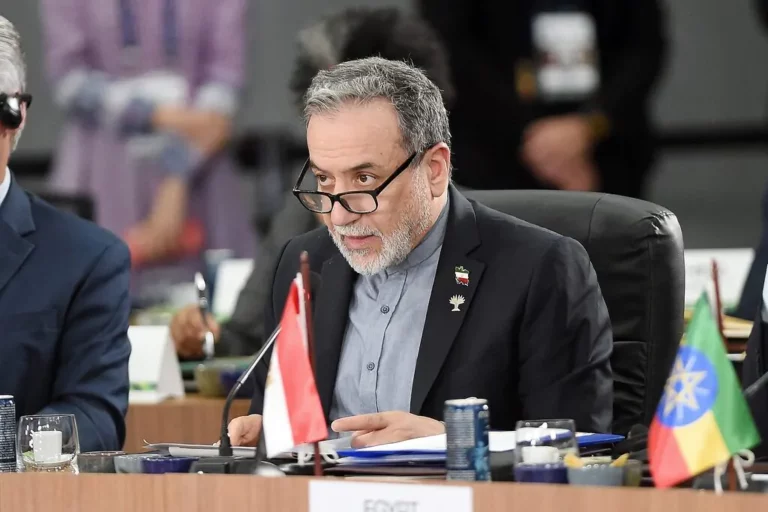
For Israel, this reinforces the argument that the Iranian threat cannot be separated into isolated nuclear, missile, proxy or economic issues. Iranian officials are openly discussing strikes on Israeli territory while also threatening infrastructure connected to American power across the Gulf.
The United States faces the same network from another direction. Its embassies, military installations, commercial interests and citizens stretch across countries that Iran or Iran-backed organizations could potentially target. That helps explain why Washington’s security response now extends from Jerusalem to the Gulf and beyond.
The warnings do not establish that an attack is imminent. Security alerts are precautionary by nature, and governments often issue them when threat conditions worsen without knowing whether an attack will occur. However, the combination of coordinated American warnings and explicit Iranian threats shows why U.S. officials are treating the situation seriously.
Vigilance, Deterrence and the Duties of Two Nations
Israel’s covenantal mission before God carries a responsibility to preserve Jewish life, defend sovereignty and ensure that threats of destruction do not become reality. The Jewish state cannot treat rhetoric about “scorched earth” or driving Israelis into exile as ordinary political language. History gives such threats a particular gravity.
America’s covenantal tradition developed through a different national story. It centers on liberty, constitutional government and the protection of American citizens and interests. When embassies across an entire region warn Americans simultaneously, that responsibility becomes immediate rather than theoretical.
The strategic overlap between the two countries is therefore visible in the warnings themselves. Iran threatens Israel while challenging American power, and Washington’s regional security architecture helps protect both U.S. interests and allies facing those threats.
The coming days will show whether the latest rhetoric remains a battle of deterrent messages or develops into another military confrontation. For now, both Israel and the United States are receiving the same signal from Tehran: Iran wants its adversaries to believe that another strike will produce a wider and more destructive response.
For more stories on Israel, faith, and the values behind the headlines, follow Sinai on Facebook and Instagram.
Discussion0
No comments yet — be the first to share your thoughts.