Ukraine Patriot Production: Rubio Says Talks Underway
Rubio says Washington and Kyiv are discussing licensed Patriot interceptor production, a long-term move that could ease pressure on strained U.S. missile stocks


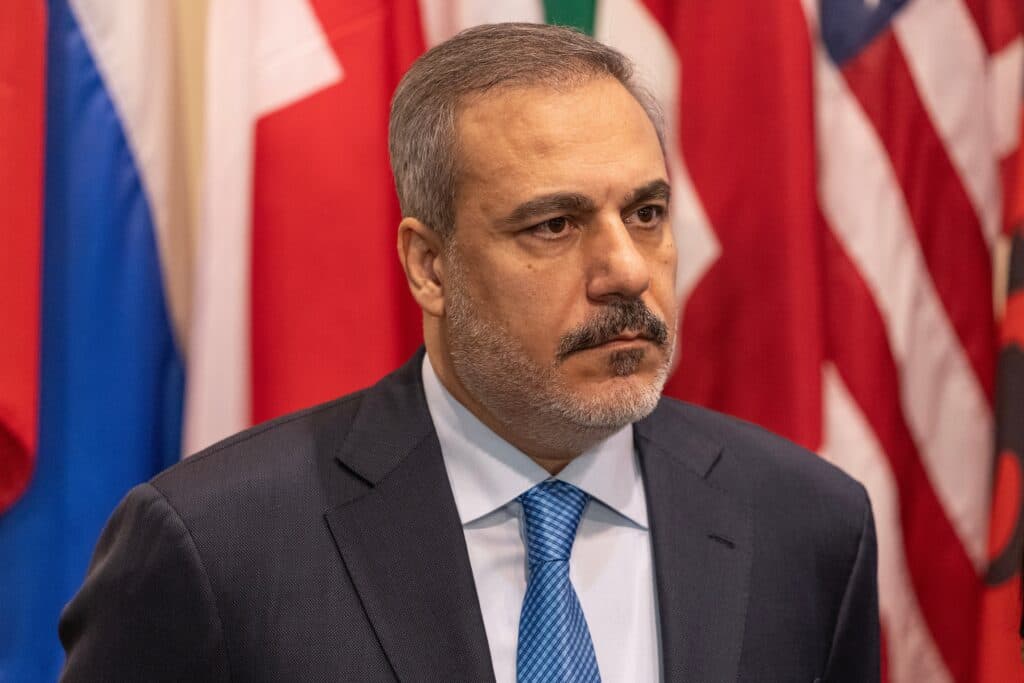
Ukraine Patriot production could eventually become part of Washington’s answer to a missile shortage affecting several American allies. Secretary of State Marco Rubio said the United States and Kyiv are discussing a license that would allow Ukraine to manufacture Patriot air-defense interceptors domestically. However, he cautioned that building the factories required for production would still take several years.
The talks come as Patriot inventories face extraordinary pressure. Ukraine depends on the system against Russian ballistic missiles, while the Iran war has consumed large quantities of American interceptors elsewhere. U.S. Patriot stocks in Europe have fallen to what American and NATO officials recently described as “beyond critical” levels.
Ecclesiastes 3:1 teaches that “to everything there is a season, and a time to every purpose under heaven.” Missile defense makes that lesson painfully practical. Factories cannot be created after the missiles are already flying. A nation must prepare the production lines, workers, components, and stockpiles years before the moment of need.
Ukraine Patriot Production Would Take Years
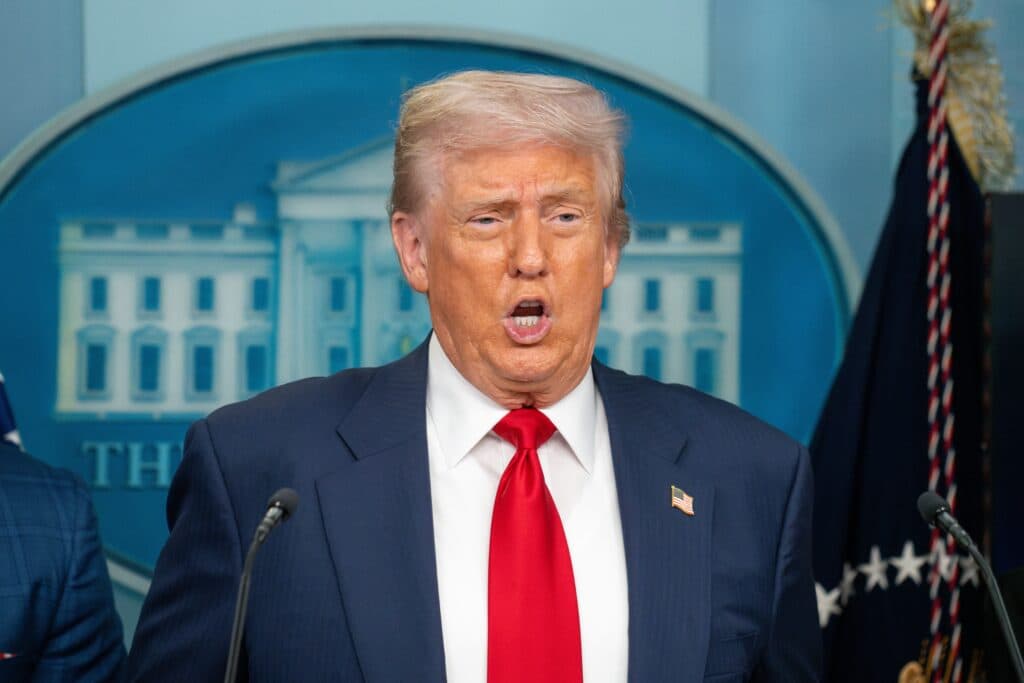
President Donald Trump first publicly backed giving Ukraine a production license during the NATO summit in July. He later expressed reservations about transferring sensitive American technology, while U.S. officials and defense companies continued exploring possible arrangements with Kyiv. Reuters reported in August that discussions included Ukrainian production of components followed by final assembly elsewhere in Europe.
Rubio’s latest remarks underline the difference between granting a license and actually producing interceptors. Patriot missiles rely on complex guidance systems, rocket motors, electronics, and specialized supply chains. AP reported that even a pilot production line could take at least 18 to 24 months, with broader domestic production taking considerably longer.
There are signs the industrial base is beginning to respond. The Pentagon signed seven-year agreements with Lockheed Martin and General Dynamics this week to expand production of components used in PAC-3 and THAAD interceptors. Germany is also developing additional Patriot manufacturing capacity in Europe.
Ukraine therefore would not receive an immediate solution. The strategic value lies further ahead. If Kyiv eventually creates additional production rather than drawing almost entirely from American and allied inventories, it could strengthen NATO’s overall missile-defense capacity.
One Interceptor Shortage, Several American Fronts
The issue matters well beyond Ukraine. America is simultaneously supporting European deterrence, protecting forces in the Middle East, confronting Iran, and maintaining commitments to allies facing missile threats.
The Iran war has exposed how quickly even enormous American stockpiles can shrink. AP reported that much of the recent drain on Patriot inventories came from intercepting Iranian ballistic missiles. Ukraine has also received hundreds of American interceptors since Russia’s invasion.

That creates an important connection to Israel, even though Patriot is not the centerpiece of Israel’s current layered missile-defense network. Israel relies heavily on systems including Arrow, David’s Sling, and Iron Dome. Arrow itself is jointly developed with the U.S. Missile Defense Agency, and Israel approved another major acceleration of interceptor production this year after sustained Iranian missile attacks.
The broader problem is shared industrial capacity. Russia and Iran have demonstrated that large missile barrages can force democratic nations to consume expensive interceptors at extraordinary rates. More production capacity in Ukraine and Europe could eventually reduce pressure on U.S. inventories. That would leave Washington better positioned to meet simultaneous commitments in Europe, the Middle East, and the Indo-Pacific.
It also strengthens a principle Israel understands particularly well: allies are more valuable when they can produce more of what they need themselves. American support remains indispensable, but long-term security requires domestic manufacturing rather than permanent dependence on emergency shipments.
Rubio’s Alliance Strategy Comes Into Focus
The Patriot talks also highlight Rubio’s increasingly broad role inside the Trump administration. He has defended Israel’s military response to Hezbollah, helped manage relations with Gulf partners during the Iran conflict, and remained involved in negotiations with Ukraine over missile-defense production. Reuters reported that Rubio defended Israeli operations in Lebanon as justified responses to Hezbollah attacks even when other administration figures expressed greater concern about escalation.
His Ukraine role carries a similar emphasis on allied capacity. Rather than simply sending another finite package of interceptors, a production license could help an American partner manufacture critical defensive weapons over the long term.
That approach contrasts with another part of Rubio’s foreign-policy portfolio. In “Rubio Far-Left Terror Sanctions Target Antifa Network,” the secretary used American financial and diplomatic power against transnational networks accused of supporting political violence. Here, the instrument is defense technology rather than sanctions, but the underlying policy question is similar: how should American power strengthen friends while constraining threats?
America and Israel approach that responsibility through separate covenantal missions before God. America’s calling has long tied ordered liberty to the defense of free nations and a willingness to build alliances capable of resisting aggression. Israel’s covenantal responsibility is more particular: preserve Jewish sovereignty, defend the people of Israel, and ensure that Jews never again depend entirely on others for their survival.
Industrial strength serves both missions. America is stronger when its allies can defend themselves without exhausting U.S. arsenals. Israel is stronger when Washington retains enough military depth to support several theaters while Jerusalem continues expanding its own independent production.
The lesson from Ukraine, Israel, and the Iran war is increasingly difficult to ignore. Missile defense is not only about who possesses the best interceptor. It is about who can manufacture enough of them when wars last longer than expected.
For more stories on Israel, faith, and the values behind the headlines, follow Sinai on Facebook and Instagram.
Discussion0
No comments yet — be the first to share your thoughts.