Peru Severs Diplomatic Ties With Iran
Peru severed diplomatic relations with Iran, citing repression, disruption in Hormuz, regional escalation, and obstruction of international nuclear inspections

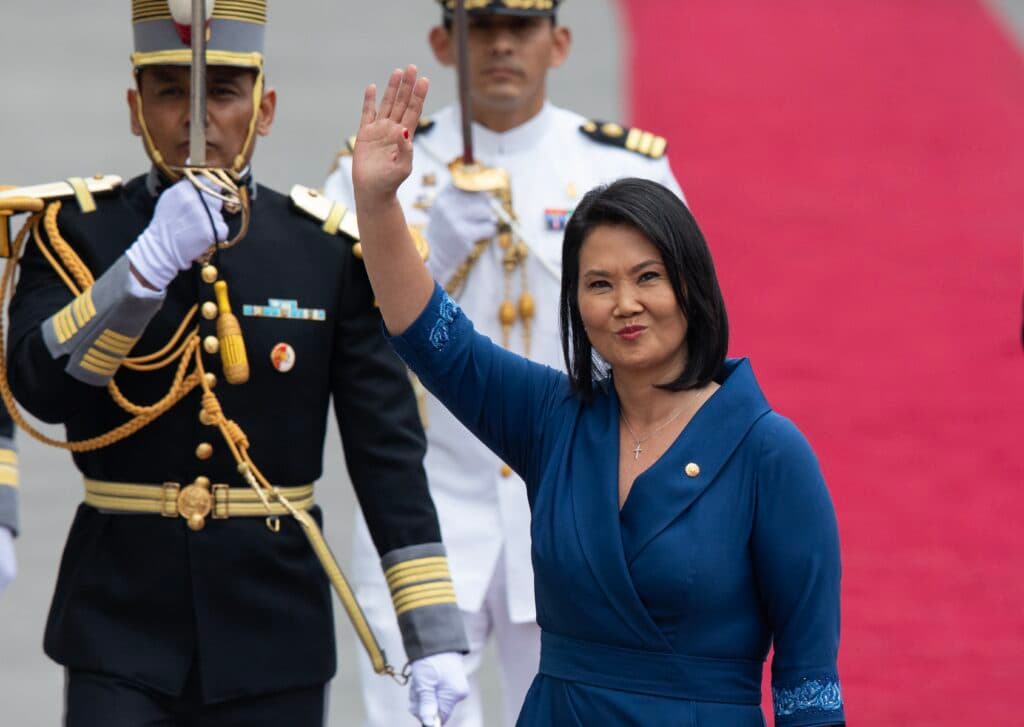
Peru severs ties with Iran in a major diplomatic break over Tehran’s conduct at home and across the Middle East. The Peruvian government announced that it was ending diplomatic relations with the Islamic Republic on September 1. Lima cited Iran’s repression of protesters, restrictions in the Strait of Hormuz, obstruction of nuclear inspections, and role in escalating regional conflicts.
The decision comes as Iran’s confrontation with the United States and its regional neighbors intensifies. Peru said Tehran’s actions threaten international peace and security while violating principles that Lima considers fundamental to its foreign policy.
Isaiah 1:17 commands: “Learn to do good; seek justice, correct oppression.” Peru framed its decision around precisely those questions. Its statement addressed both Iran’s treatment of its own citizens and the consequences of Tehran’s actions for nations far beyond its borders.
Why Peru Severs Ties With Iran
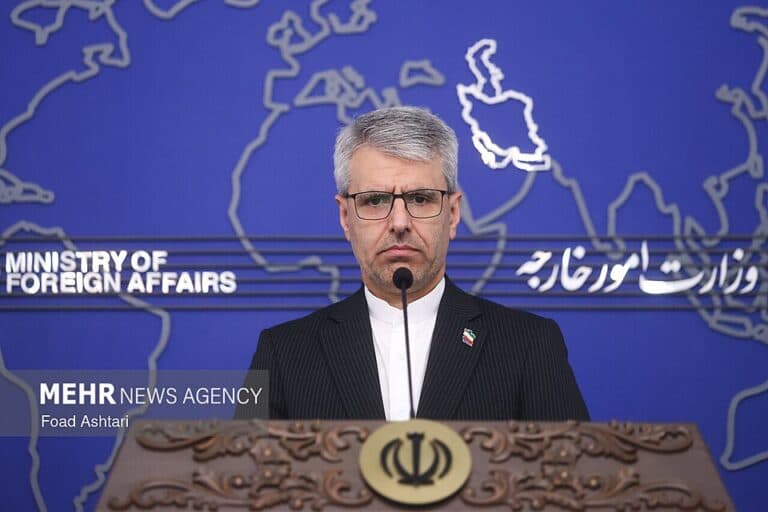
Peru’s Foreign Ministry said it had watched with “growing consternation” as democratic freedoms deteriorated inside Iran. The official statement cited repression of peaceful demonstrations, restrictions on press freedom, discrimination against women and girls, and persecution of political opponents.
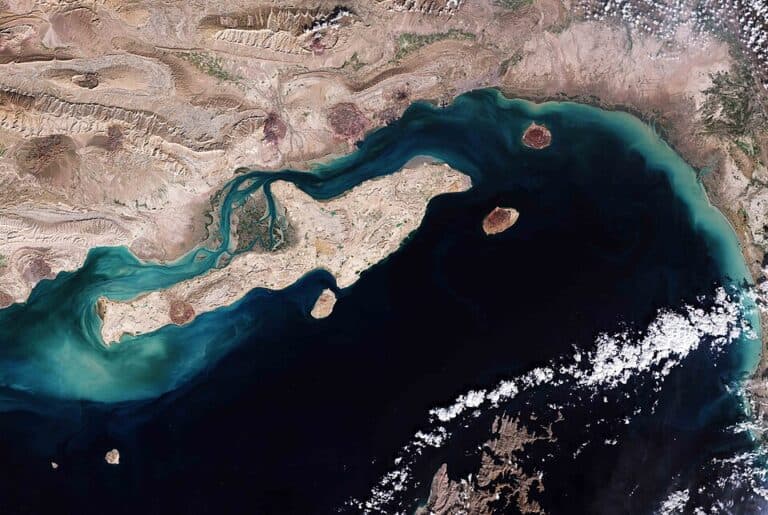
Lima also focused heavily on the Strait of Hormuz. Peru criticized Iran’s restrictions and the disruption of international commerce through the waterway since March 2026. The government said freedom of navigation and passage through international straits cannot be subjected to unilateral conditions.
That issue reaches far beyond the Persian Gulf. Disruption in Hormuz has affected energy prices and global supply chains, making Iranian pressure on the waterway a concern even for countries thousands of miles from the conflict.
Peru also condemned what it described as Iran’s incitement to violence and escalation across the Middle East. The regional danger was demonstrated again in “Iran Missile Attack on Jordan: 10 of 13 Intercepted.” Jordan intercepted most of an Iranian ballistic missile barrage as Tehran expanded its retaliation against American interests near Aqaba and elsewhere in the region.
The timing gives Peru’s diplomatic decision added weight. Tehran’s confrontation is no longer confined to Israel or direct clashes with American forces. Iranian missiles, disruptions to maritime commerce, and threats against neighboring states are producing consequences across the international system.
Nuclear Inspections Add to Lima’s Concerns
Peru also singled out Iran’s obstruction of the International Atomic Energy Agency. Its statement said Tehran has repeatedly denied inspectors access to nuclear facilities, hindering verification intended to prevent the production of nuclear weapons.
That concern remains current. The IAEA reported this week that it had made no progress in regaining access to key Iranian nuclear facilities. The agency also lacks updated information about Iran’s stockpile of uranium enriched to 60%, which it had measured at 440.9 kilograms before losing access.

For Israel, that issue is existential rather than theoretical. Iranian leaders have repeatedly threatened the Jewish state while building the missile and nuclear infrastructure that Israel regards as an intolerable strategic danger. Washington has reached much the same conclusion about the need for verifiable limits and meaningful inspections.
Peru’s announcement therefore touches several priorities shared by Jerusalem and Washington: freedom of navigation, nuclear transparency, opposition to violent regional coercion, and protection of basic democratic rights.
The rupture is not absolute. Peru emphasized that diplomatic relations are ending, but consular relations will remain in place. That allows both countries to continue protecting their citizens and carrying out other consular responsibilities under the Vienna Convention.
Lima said it formally notified Tehran through the Iranian Embassy in Ecuador, which also serves as Iran’s concurrent diplomatic mission to Peru.
When Free Nations Draw a Line
The covenantal missions of America and Israel are distinct, but both place unusual weight on liberty under God and the responsibilities that come with national sovereignty. America’s tradition calls it to defend ordered freedom and oppose coercion. Israel’s covenant binds the Jewish people to preserve their restored sovereignty and protect the land and people entrusted to them.
Peru is not part of that covenantal relationship, but its decision reinforces principles that matter deeply to both nations. A regime should not be free to threaten its neighbors, obstruct international waterways, deny meaningful nuclear oversight, and repress its population without diplomatic consequences.
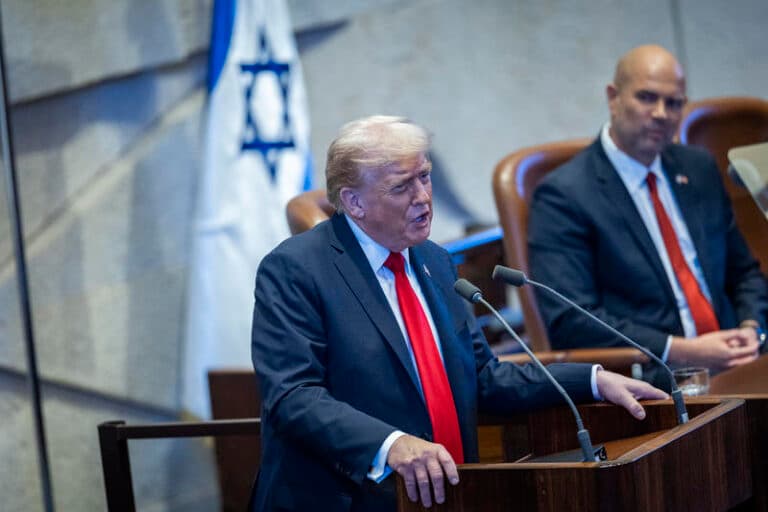
For Washington, Peru’s action adds another international voice against Tehran at a time when American forces are directly confronting the IRGC. For Jerusalem, it represents recognition from Latin America that Iran’s behavior is not merely an Israeli grievance. Tehran’s conduct has consequences for international commerce, regional peace, nuclear security, and human rights.
Peru described itself as acting from a historic commitment to peace, international law, and democracy. Its decision sends a clear message: maintaining ordinary diplomatic relations with Tehran is no longer something Lima believes it can reconcile with those principles.
For more stories on Israel, faith, and the values behind the headlines, follow Sinai on Facebook and Instagram.
Discussion0
No comments yet — be the first to share your thoughts.