UK Iran Sanctions Tighten Pressure on Tehran
Britain published legislation expanding sanctions on Iran across finance, trade, shipping, aviation, and technology as pressure on Tehran’s nuclear program grows

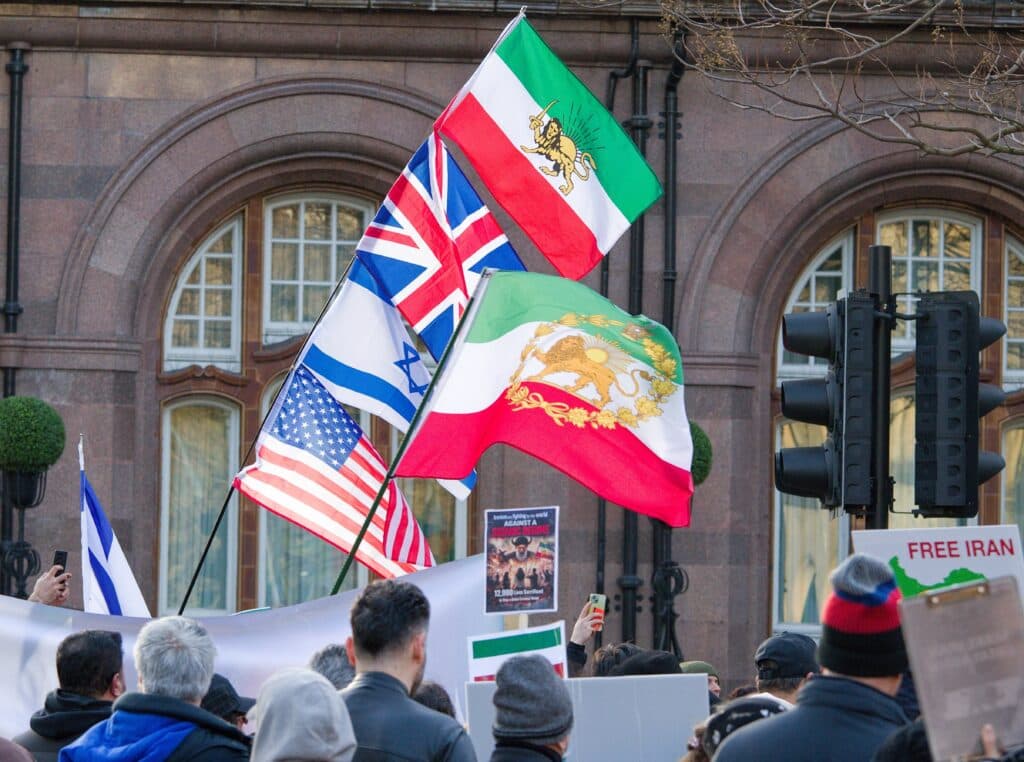
UK Iran sanctions are set to become significantly tougher under legislation published by the British government on Tuesday. The measures broaden restrictions across finance, trade, shipping, and aviation as London increases pressure on Tehran over its nuclear program and other hostile activities. The legislation must still receive parliamentary approval before the expanded restrictions take effect.
Britain says the new rules will sharply restrict Iran’s access to the UK financial system. They will also expand trade bans to additional goods, technologies, and services, while strengthening powers involving ships that violate sanctions rules. Iranian aircraft would also be prohibited from landing in Britain unless a specific exemption applies.
Ecclesiastes 9:18 teaches that “wisdom is better than weapons of war.” Economic pressure cannot replace military preparedness when a hostile regime presents an immediate threat. Yet sanctions can deny that regime money, technology, transportation, and access to international markets before another battlefield confrontation becomes necessary.
UK Iran Sanctions Expand Beyond Finance
The British legislation would restore several sectoral restrictions that were lifted under the 2015 Iran nuclear agreement. It would also make it harder for Tehran to raise funds or acquire goods and technology connected to its nuclear program. Foreign Office Minister Stephen Doughty said the package “doubles down” on British efforts to constrain Iran’s nuclear ambitions.
London says Iran has accumulated more than 400 kilograms of uranium enriched to 60% purity. Doughty noted that Iran is the only state without nuclear weapons to have enriched uranium to that level. Iran continues to insist that its nuclear activities are peaceful.
The measures stem partly from the restoration of United Nations sanctions through the snapback mechanism. Britain, France, and Germany triggered that process in 2025 after accusing Tehran of failing to address concerns about its nuclear program. The new British legislation would build on those measures with additional national restrictions.
The package also complements the much broader economic pressure campaign led by the United States. Washington has sought to restrict Iranian oil revenue, financial access, shipping, and the networks Tehran uses to evade sanctions. Recent Reuters reporting described the U.S. campaign as placing severe pressure on Iran’s economy as Washington seeks leverage over Tehran’s regional and maritime behavior.
Transport is another important part of the British strategy. Iranian aircraft would generally be barred from British airports, while the government gains stronger tools to restrict shipping linked to sanctions violations. By targeting movement as well as money, London is seeking to make evasion more difficult across several parts of Iran’s international economic network.
Britain Sanctions Iran and Israeli Communities on the Same Day
The timing is striking because Britain also moved Tuesday to prohibit imports from Israeli communities in Judea and Samaria. London says that separate policy supports a two-state solution and responds to Israeli construction beyond the Green Line. Israel rejects the characterization of Judea and Samaria as simply occupied foreign territory and emphasizes the Jewish people’s historical connection to the region.
That parallel gives additional context to “Mike Huckabee Questions UK Sanctions on Judea and Samaria.” The U.S. ambassador accused Britain of discriminatory treatment toward Jewish communities and challenged London’s priorities. Britain’s new Iran package concerns a fundamentally different security issue, but the same-day announcements highlight how extensively London is using economic restrictions as a foreign-policy instrument.

The distinction matters. Britain’s Iran sanctions target Tehran’s nuclear capabilities, financial networks, transportation, and access to potentially sensitive technology. The Judea and Samaria policy targets commercial goods based on where Israeli civilians live and produce them. Treating both as “sanctions” should not obscure the very different conduct and security questions behind the two measures.
For Israel, stronger pressure on Iran is strategically welcome. Tehran has financed, armed, and supported organizations that have attacked Israel across multiple fronts. Iran’s nuclear program also remains a central Israeli security concern, and Israel has repeatedly argued that international pressure must be strong enough to prevent Tehran from reaching a nuclear weapons capability.
The United States and Israel launched strikes against Iran in February amid concerns that included Tehran’s nuclear program, Reuters reported. Economic measures now provide another channel for maintaining pressure without relying exclusively on military force. Britain’s move therefore strengthens one part of the Western pressure architecture even as its separate policy toward Judea and Samaria deepens tensions with Jerusalem.
Strength, Restraint, and the Duty to Confront Threats
The American and Israeli national missions are distinct, but both place value on defending freedom against regimes that use coercion and violence to project power. America’s tradition joins liberty with the responsibility to resist threats to international security. Israel’s covenantal responsibility is rooted in preserving Jewish sovereignty, protecting Jewish life, and ensuring that enemies cannot again acquire the power to determine the Jewish people’s fate.
Those principles make Iran more than a conventional diplomatic dispute. Tehran’s nuclear advancement, missile capabilities, proxy networks, and threats against Israel have created a security challenge shared by Jerusalem and Washington. Economic pressure is valuable when it reduces the resources available to sustain those capabilities.
Sanctions also work best when they are coordinated. The United States can exert enormous financial and commercial pressure on its own, but cooperation from Britain and other major economies closes additional routes around restrictions. The British legislation therefore increases the cost of operating internationally for Iran even though London’s sanctions policy is legally independent from Washington’s.
There are limits to what sanctions can accomplish. Iran has spent years building mechanisms to evade restrictions, and economic hardship does not automatically produce political concessions. Western governments therefore still face the difficult task of combining financial pressure, military deterrence, diplomacy, and enforcement.
The new UK Iran sanctions nevertheless send a clear signal. Britain is restoring restrictions that disappeared under the nuclear agreement and extending them into financial, technological, aviation, and maritime activity. London says its objective is straightforward: Iran must never acquire a nuclear weapon.
That objective is one of the clearest points of strategic agreement linking Israel, the United States, and Britain despite their growing disputes elsewhere. London may be moving further away from Jerusalem on Judea and Samaria, but on Iran’s nuclear ambitions, the pressure is moving in the opposite direction.
For more stories on Israel, faith, and the values behind the headlines, follow Sinai on Facebook and Instagram.
Discussion0
No comments yet — be the first to share your thoughts.