Saudi Oil Exports Sink to Nine-Year Low
Saudi crude exports fell to a nine-year low as Iranian restrictions in Hormuz and Houthi threats in the Red Sea squeezed Riyadh’s vital oil routes

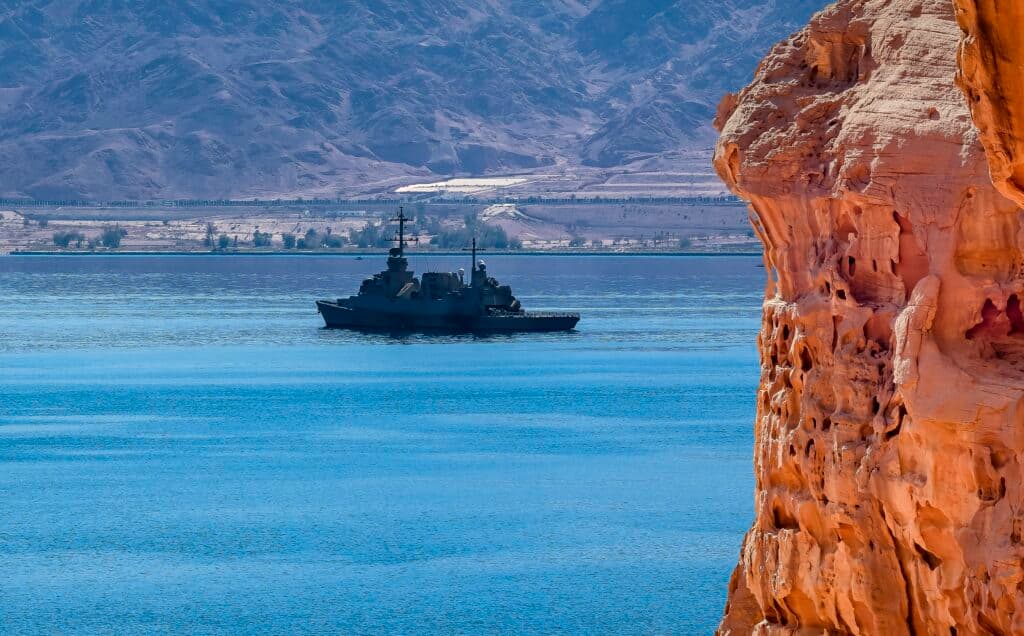
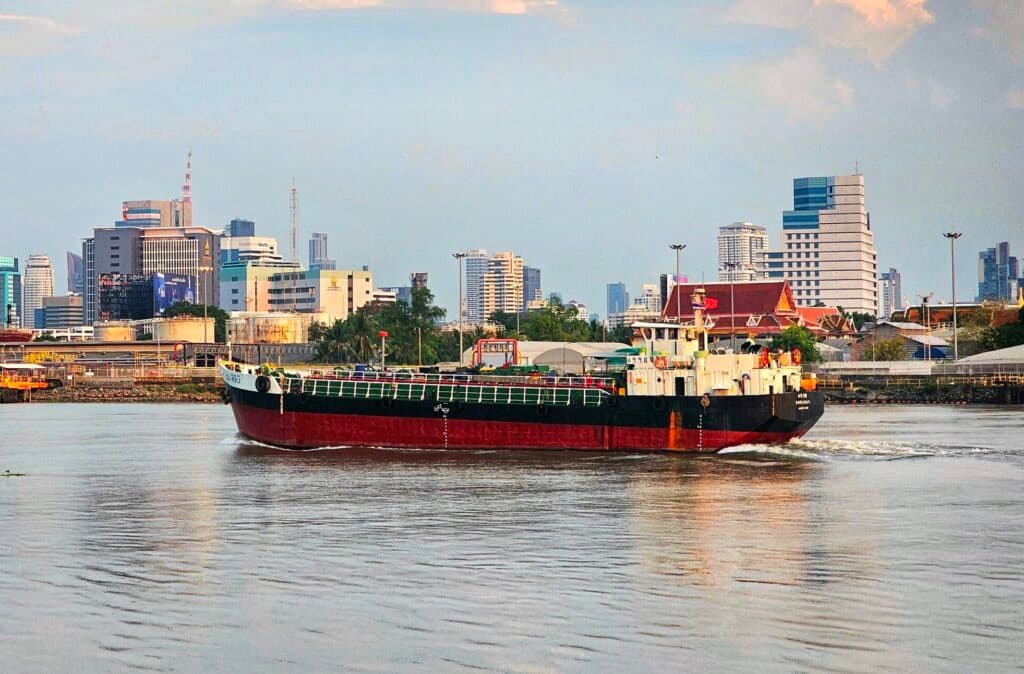
Saudi oil exports fell to their lowest level in at least nine years in August as Riyadh found itself squeezed between two dangerous maritime chokepoints. Iran has severely restricted traffic through the Strait of Hormuz, while Yemen’s Iran-backed Houthis have threatened Saudi shipping in the Red Sea. Observed Saudi crude exports dropped to roughly 3 million barrels per day, according to tanker-tracking data cited by Bloomberg.
The decline strikes at the economic foundation of the Saudi state. The IMF estimates that oil accounts for more than half of Saudi government revenue and roughly 60% of the kingdom’s exports. Riyadh has spent years trying to diversify through Vision 2030, but petroleum still finances much of its government spending and strategic ambitions.
Isaiah 43:16 describes God as the One “who makes a way in the sea, a path in the mighty waters.” Modern Middle Eastern economies depend on exactly such paths remaining open. When hostile regimes and terrorist organizations turn narrow waterways into weapons, the consequences travel far beyond the battlefield.
Saudi Oil Exports Trapped Between Two Chokepoints
Saudi Arabia initially had an important advantage when Iran effectively shut much of the Strait of Hormuz. Its East-West Pipeline can move crude from fields near the Persian Gulf across the kingdom to Yanbu on the Red Sea.
Riyadh quickly exploited that option. Yanbu exports reportedly climbed from around 770,000 barrels per day in January to approximately 4.3 million in June. That route helped Saudi Arabia maintain exports while other Gulf producers struggled with Hormuz.
Then the Houthis turned toward Saudi shipping.
The Iranian-backed Yemeni movement announced a maritime blockade against Saudi Arabia in July. It later claimed attacks against Saudi tankers and infrastructure in the Red Sea. As security risks increased, exports through Yanbu fell to roughly 3.7 million barrels per day in July and about 2.25 million in August.
Saudi tankers have increasingly switched off tracking systems while sailing from Yanbu. Others have diverted through Egypt’s Suez Canal and SUMED pipeline. Those alternatives reduce exposure to the Bab al-Mandeb, but they cannot fully replace unrestricted access to the Red Sea.
The result is an unusual strategic trap. Iran pressures Saudi exports from the east at Hormuz. The Houthis threaten them from the southwest near the Red Sea.
Two parts of the same Iranian regional network are therefore placing pressure on the arteries that carry Saudi Arabia’s most valuable export.
The Economic War Is Spreading Beyond Iran
The development creates an important contrast with “Iran Economic Blockade Targets Airlines and Oil.” Washington is using military and economic pressure to choke Iran’s own oil exports and isolate Tehran from international supply networks.
That pressure has been severe. Iranian crude loadings have collapsed from around 2 million barrels per day before the current blockade to only a fraction of that level.
Yet Tehran still retains a powerful tool: geography.

Iran can disrupt Hormuz while its Houthi ally threatens the alternate Red Sea route. That allows the Iranian axis to impose economic costs on neighboring states even while Iran itself suffers under American pressure.
Saudi Arabia is now experiencing that vulnerability directly. The kingdom’s August crude exports were the lowest recorded in data extending back to early 2017. The figures remain provisional because some tankers now travel without broadcasting their positions, but the downward trend is clear.
The effects also reach the United States. Disruption to Saudi exports tightens global supply and can push oil and fuel prices higher for American consumers. Brent crude climbed above $97 per barrel Thursday as renewed fighting around Iran increased fears of further supply disruption.
Israel faces a related strategic problem. The Houthis have repeatedly threatened Red Sea shipping and Israel’s southern maritime approaches. Iran’s ability to destabilize both Hormuz and the Red Sea demonstrates why Israel cannot view Tehran’s proxy network as a collection of isolated fronts.
A missile fired from Yemen, a tanker threatened near Hormuz, and an Iranian-backed militia elsewhere in the region can all serve one broader strategy: increase the economic and security cost for countries aligned against Tehran.
Free Seas, Strong Allies
The United States and Israel share a covenantal belief that freedom requires both moral purpose and the strength to defend it. That principle applies not only to national borders but also to the international routes through which nations trade, travel, and sustain their people.
Neither country benefits when Iran or its proxies gain the power to decide which ships can pass through strategic waterways. America depends on freedom of navigation for global economic stability. Israel depends on secure maritime access while confronting an Iranian network that stretches from Lebanon and Iraq to Yemen.
Saudi Arabia’s predicament makes those interests even more closely aligned. Riyadh is not Israel or the United States, but all three now face different forms of pressure from the same Iranian regional system.
The strategic lesson is straightforward. Bypassing one chokepoint solves little if an adversary can threaten the alternative route as well.
Saudi Arabia built the East-West Pipeline to reduce its dependence on Hormuz. That worked until the Houthi threat made the Red Sea dangerous too. The kingdom must now consider longer routes around Africa, expanded pipeline capacity, and new ports to reduce its exposure to both waterways. Reuters has reported that Gulf states are already accelerating such infrastructure projects.
For Washington and Jerusalem, keeping those routes open is about more than helping Riyadh sell oil. It is about preventing Tehran and its proxies from turning geography into a permanent instrument of economic coercion.
Saudi Arabia’s oil wealth remains enormous. Its economy has not collapsed, and its non-oil private sector continues to grow. But the fall in exports demonstrates how quickly even one of the world’s most powerful energy producers becomes vulnerable when hostile forces threaten both exits at once.
For more stories on Israel, faith, and the values behind the headlines, follow Sinai on Facebook and Instagram.
Discussion0
No comments yet — be the first to share your thoughts.