Turkish Citizen Named Commander Of Syrian 62nd Division
Syrian sources said Omar Jafateshi, a Turkish citizen, was appointed commander of the 62nd Division, raising questions about loyalty, state control, and regional security

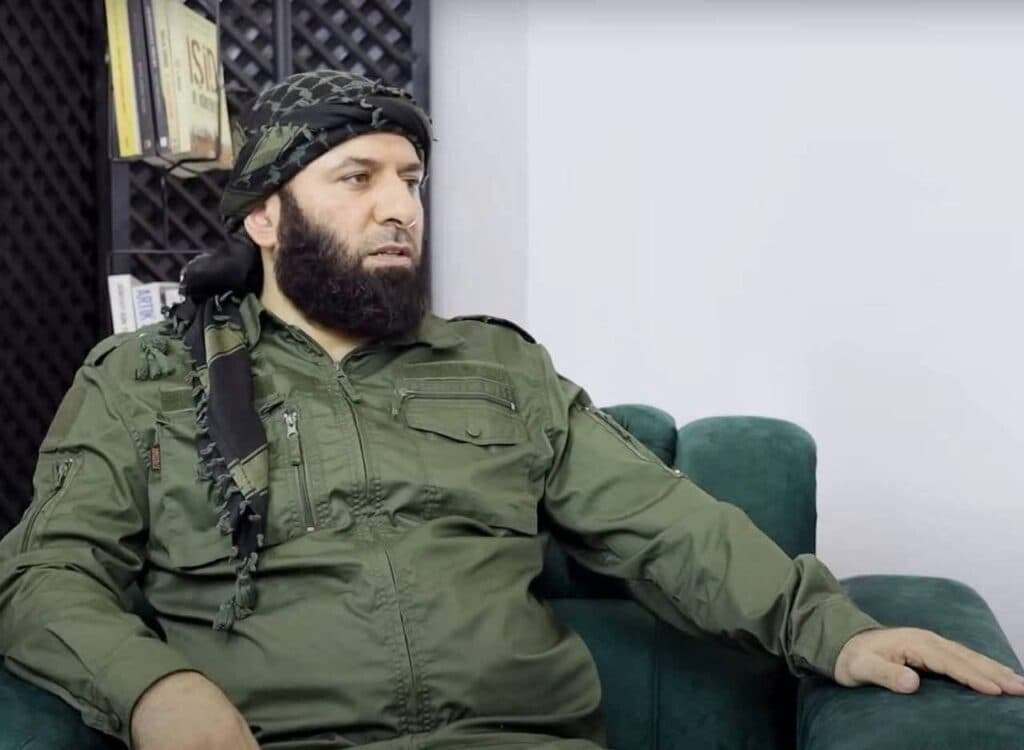
62nd Division Syria reports drew attention after Syrian sources said Omar Jafateshi, a Turkish citizen, was appointed commander of the division in the Syrian army.
According to the sources, Jafateshi replaced Mohammad al-Jassem, known as Abu Amsha. Official Syrian sources have not yet commented on the report.
The move reportedly aimed to strengthen loyalty to the regime and to Syrian President Ahmad al-Shara. Syrian sources said soldiers in the 62nd Division were more loyal to their commander than to the Syrian army itself.
The 62nd Division is routinely stationed in Hama Governorate. Its name has also been linked to the massacre of Alawites in Latakia and Druze in southern Syria last year, according to the same sources.
The Tanakh says, “By wise guidance you shall wage your war.” That verse gives this story its frame. Military power without lawful loyalty can become a threat to the state it claims to serve.
62nd Division Syria Shake-Up
The reported replacement of Abu Amsha carries serious implications inside Syria. According to the sources, the division’s loyalty to its commander helped trigger heightened alert in Syria yesterday. The concern was a possible rebellion after the command change.
That detail matters because it points to a deeper problem in Syria’s military structure. If soldiers follow commanders more than the state, then Damascus still faces the challenge of building real sovereign control.
The fact that the new commander is reportedly a Turkish citizen also raises questions. Syrian sources said it points to the kind of loyalty Ahmad al-Shara is trying to secure.
For Israel, this matters because instability in Syria rarely stays inside Syria. Power struggles, foreign influence, militias, and weak command structures can all affect Israel’s northern security environment.
Hezbollah And Syria’s Direction

This issue connects directly to “Hezbollah Chief Opens Door To Meeting Syrian Leadership.” Hezbollah’s secretary general said there is no obstacle to a future meeting with Syria’s leadership, raising concerns for Israel, the United States, and Lebanese sovereignty.
On one hand, Syria’s leadership appears to be consolidating loyalty inside the army. On the other hand, Hezbollah is signaling interest in renewed contact with Damascus.
For Israel, the key question is whether Syria moves toward state sovereignty and security understandings, or whether armed factions regain influence through Syrian territory. While for the United States, the issue is also strategic. Washington has an interest in a Syria that limits Iranian influence, weakens Hezbollah’s regional access, and prevents new militia structures from destabilizing Lebanon, Jordan, Iraq, and Israel.
Covenant Of Sovereignty Over Armed Loyalties
The United States and Israel share a covenantal understanding before God rooted in lawful order, defense of life, national responsibility, and resistance to terror rule.
America’s covenantal tradition emphasizes liberty under God and institutions strong enough to restrain armed factions. Israel’s covenant is ancient and unique, rooted in the God of Israel, Torah, Jewish peoplehood, sovereignty, and return to the land.
America cannot support regional stability if armies answer to personal warlords, foreign patrons, or militia networks. Israel cannot trust a northern arena where Syrian divisions, Hezbollah channels, Turkish influence, and Iranian interests overlap.
The reported 62nd Division change may be an internal Syrian matter, but its consequences reach far beyond Hama. It touches the balance between state control and militia loyalty.
Ultimately, Israel and the United States will watch whether Ahmad al-Shara can build a Syrian state that controls its weapons, commanders, and borders. Without that, Syria remains vulnerable to rebellion, foreign manipulation, and renewed pressure from forces hostile to Israel.
For more stories on Israel, faith, and the values behind the headlines, follow Sinai on Facebook and Instagram.
Discussion0
No comments yet — be the first to share your thoughts.