Trump Reveals Secret Hormuz Operation: 100M Barrels Moved
President Trump said the U.S. helped move more than 100 million barrels of oil through the Strait of Hormuz, undercutting Iran’s threat to disrupt global energy routes

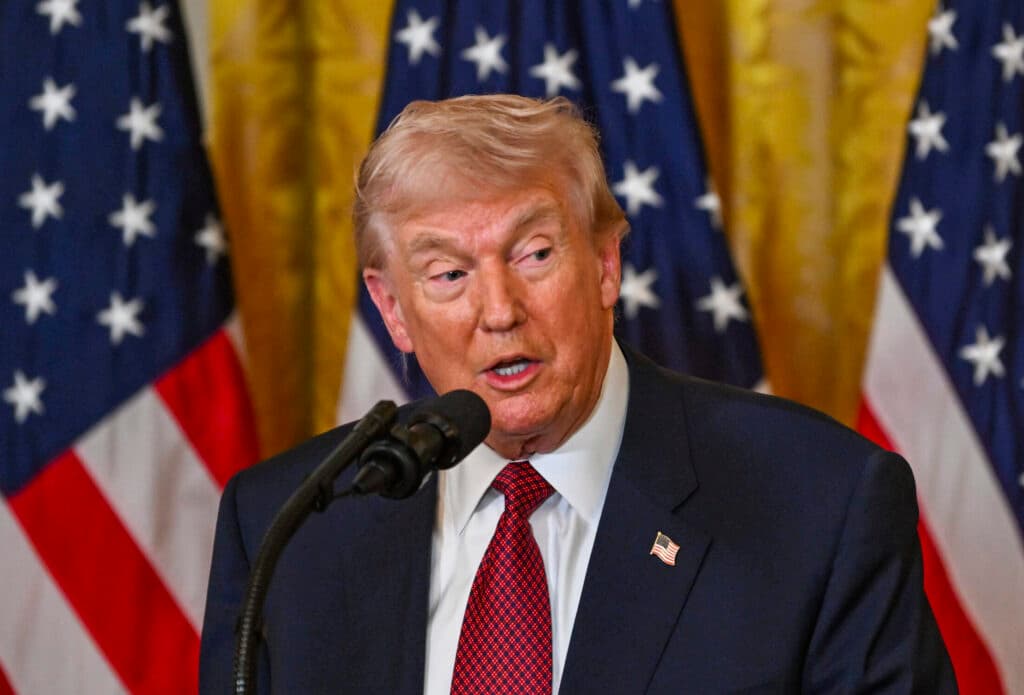
President Donald Trump revealed a secret Hormuz operation, saying the U.S. helped move more than 100 million barrels of oil through the Strait of Hormuz during the war with Iran.
The Strait of Hormuz is one of the world’s most important oil chokepoints. When Iran threatens or blocks the waterway, oil prices can surge and the global economy can feel the shock almost immediately.
That is why Iran’s strongest weapon against the world is not only its ballistic missiles. It is the regime’s ability to threaten global energy routes and hold international markets hostage.
Trump Reveals The Mission
During remarks from the Oval Office, Trump said the U.S. had quietly moved oil through the strait while Iran tried to disrupt regular shipping.
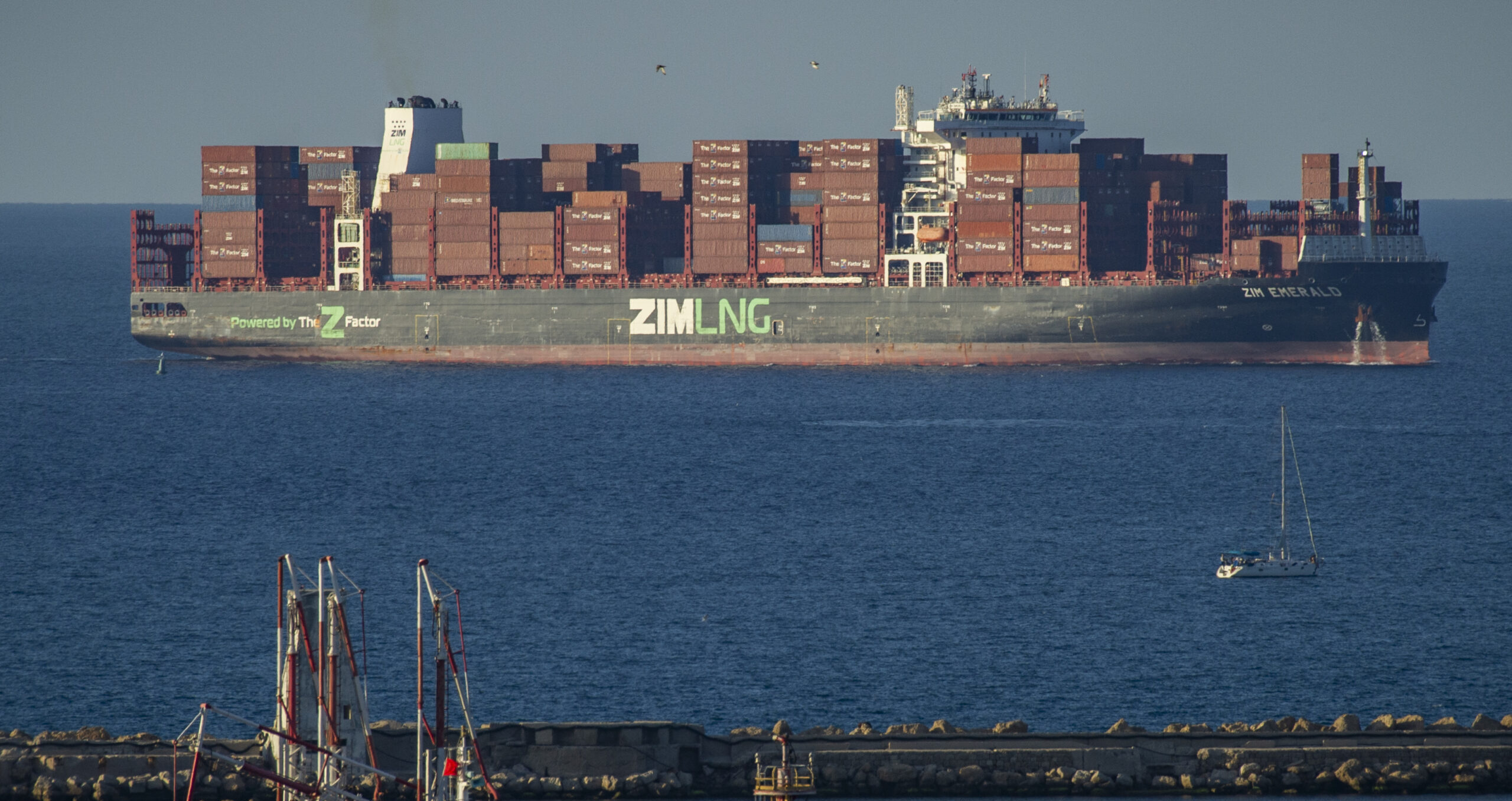
According to ABC News, Trump later wrote that “more than 100 MILLION Barrels of Oil” and more than 200 commercial ships had traveled through the Strait of Hormuz as part of what he called a secret mission. ABC noted that it could not immediately verify the full accuracy of Trump’s numbers.
Reuters reported that Trump also warned Iran that the U.S. would attack “very hard” if no deal is reached, after Iran hit an American Apache helicopter.
Iran’s Threat Falls Short
A simple calculation from Trump’s claim shows that the U.S. moved about 2.5 million barrels a day through the Strait of Hormuz.
If accurate, that figure would mean Iran failed to fully carry out its central threat. Tehran tried to use the strait as economic blackmail, but the U.S. still pushed major oil movement through the region.
For Israel and its allies, the lesson is clear. The Iranian regime threatens the world through terror, missiles, nuclear blackmail, and economic pressure. However, American power can still break through that pressure.
Trump’s message was direct: Iran does not control the region. The United States does.
Discussion0
No comments yet — be the first to share your thoughts.