Trump Announces Full Blockade On Iranian Ships
Trump announced a full blockade on Iran-linked ships while replacing the 20% U.S. fee with Gulf investment deals into America

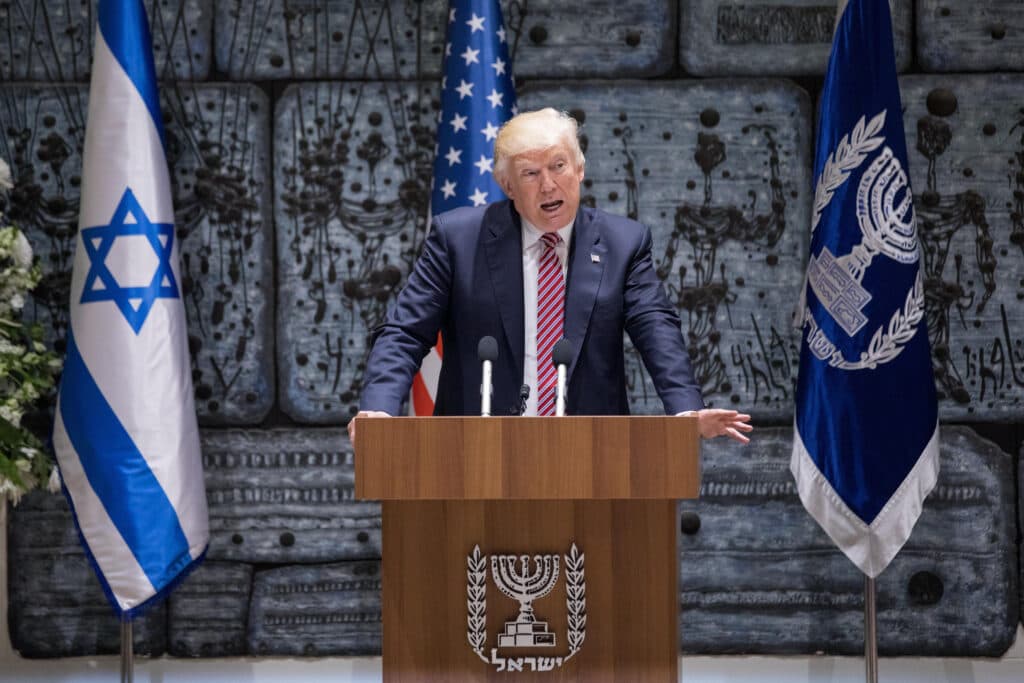
Trump’s Iran blockade policy shifted again after President Donald Trump said the Strait of Hormuz is open to all ship traffic except Iran-linked vessels.
In a Truth Social post, Trump said “oil is flowing like never before” because of the “awesome Power of the United States Military.”
He saluted Pete Hegseth, Chairman of the Joint Chiefs of Staff Dan Caine, CENTCOM Commander Admiral Brad Cooper, and the U.S. military.
According to Trump, the Strait of Hormuz is now open to “ALL Ship traffic except for Iran.”
He blamed that exception on Iran’s “lying, violent, malicious leadership,” which he said is taking the country toward “TOTAL DESTRUCTION.”
The Tanakh says, “Remove the wicked from before the king, and his throne will be established in righteousness.” That verse speaks to the need for moral clarity when rulers use power for violence and deception.
Trump Iran Blockade
Trump said the United States will impose a full blockade, but only on ships connected to Iran.
“We will therefore have a FULL Blockade, but only on Ships coming to and from Iranian ports, or carrying anything have to do with Iranian cargo,” Trump wrote.
Instead of closing the entire Strait of Hormuz, Trump framed the policy as a targeted campaign against Iran’s regime and its economic lifelines.
For the United States, the goal is both military and economic. Washington wants to keep global oil moving, protect shipping, and punish Tehran without giving Iran control over the wider waterway.
For Israel, the move carries direct strategic weight. Iran uses money, ports, shipping networks, and sanctions evasion to fund terror proxies. Those proxies threaten Israel through Hezbollah, Hamas, the Houthis, and other forces.
Therefore, a blockade aimed at Iranian cargo could weaken the same system that fuels attacks on the Jewish state.
Gulf Investment Instead Of Fees
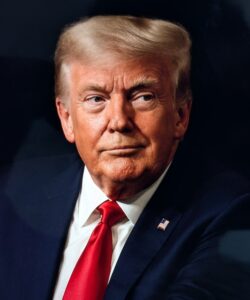
Trump also said he is replacing the 20% U.S. reimbursement fee with trade and investment deals from Gulf states.
He said the decision came after “highly productive conversations with Middle East leadership.”
According to Trump, Gulf states will make “MASSIVE” investments into the United States. He said those investments will bring factories, plants, and equipment into America at historic levels.
Trump also said they will create “millions of High Paying AMERICAN Jobs.”
For America, this changes the political message. Instead of charging ships directly, Trump is turning Gulf dependence on U.S. security into investment inside the American economy.
For Israel, that matters because stronger U.S.-Gulf ties can also strengthen the regional camp that resists Iran.
This point also connects to “Trump Says Iran Failed Test, Vows More Strikes.” Trump said Iran failed the memorandum test, vowed more strikes, defended his Netanyahu relationship, and warned Tehran would use nuclear weapons quickly.
Together, these steps show a sharper U.S. approach. Trump is pairing military force with economic pressure, while also trying to bind Gulf states closer to American power.
A Shared Moral Calling
Trump ended by declaring that Iran “will never have a nuclear weapon.”
He also called Iran “CRAZY, VIOLENT and INSANE.”
For Israel, that warning is not rhetorical. A nuclear Iran would threaten the Jewish state, empower terror proxies, and destabilize the entire region.
For the United States, stopping Iran protects American forces, Gulf partners, global energy routes, and the credibility of U.S. deterrence.
The United States and Israel also share a covenantal understanding before God.
America’s covenantal tradition rests on liberty under God, ordered justice, and moral responsibility. Israel’s covenant is older and unique. It rests on God’s promise, Jewish peoplehood, Torah, and the return to the land of Israel.
Those covenants are not identical. However, they meet in a shared calling: defend life, resist tyranny, and refuse to let violent regimes dominate free nations.
In this story, that shared calling means keeping Hormuz open while isolating Iran’s regime.
For America, it means using military power to protect trade and create jobs at home. For Israel, it means weakening the regime that funds terror and seeks nuclear weapons.
Trump’s announcement now places the burden back on Tehran. The strait remains open for the world, but Iran-linked shipping faces a blockade. That is the core message: commerce can move, but terror financing and regime aggression will carry a price.
For more stories on Israel, faith, and the values behind the headlines, follow Sinai on Facebook and Instagram.
Discussion0
No comments yet — be the first to share your thoughts.