Iranian-Born Engineer Convicted In Drone Export Case
An Iranian-born engineer was convicted in Boston over a drone-related export conspiracy, raising security concerns for the United States and Israel

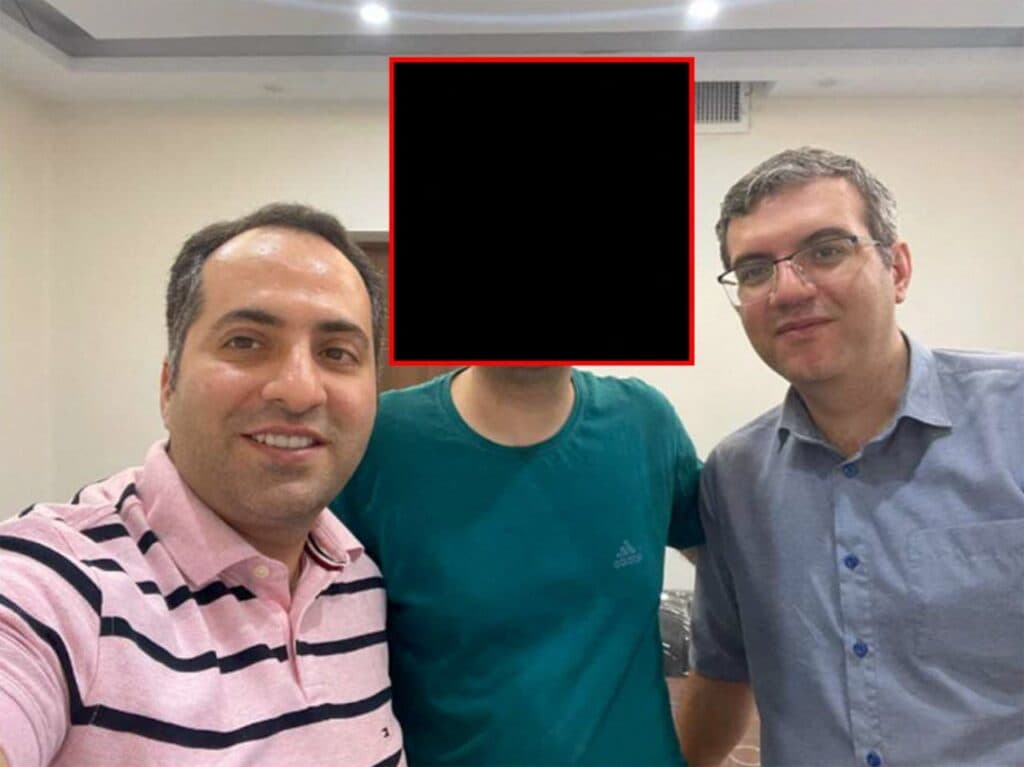
The Iran drone export case has raised new concerns in the United States after an Iranian-born engineer was convicted of conspiring to illegally export technology to Tehran.
Mahdi Sadeghi, a dual U.S.-Iranian citizen living in Natick, Massachusetts, was convicted Monday by a federal jury in Boston.
Sadeghi had worked at Analog Devices before his arrest in December 2024.
The jury found him guilty on three counts, including conspiracy to export technology to Iran in violation of U.S. sanctions.
According to Reuters, the technology had potential military drone applications. Prosecutors said the Iranian company connected to the case had clients that allegedly included Iran’s Islamic Revolutionary Guard Corps.
The Tanakh warns, “Do not put a stumbling block before the blind.” That command speaks to responsibility. Technology that reaches terror regimes can become a weapon against the innocent.
Iran Drone Export Case
The jury acquitted Sadeghi on two additional counts alleging violations of the International Emergency Economic Powers Act.
U.S. District Judge Indira Talwani set sentencing for October 13.
For the United States, the case highlights a central national security problem.
Iran does not only seek weapons through open military channels. It also uses procurement networks, dual-use technology, sanctions evasion, and foreign access to strengthen its drone program.
That matters because Iranian drones have threatened American forces, Gulf partners, Ukraine, and Israel.
For Israel, the case is even more direct.
Iranian drone technology does not remain inside Iran. Tehran transfers weapons, know-how, and battlefield lessons to Hezbollah, the Houthis, militias in Iraq and Syria, and other forces aligned against Israel.
Therefore, a U.S. export-control case in Boston can have strategic meaning in Jerusalem.
Extremists Versus The Iranian People
This case also requires moral precision.
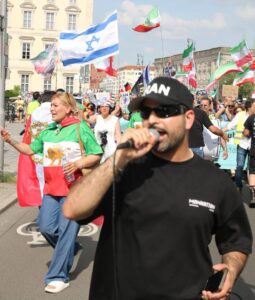
The problem is not the average Iranian. The problem is the extremist regime, the IRGC, and those who help Iran’s military networks evade sanctions. Many Iranians reject the regime that rules over them.
That contrast is central to “Iranian Journalist: “The IDF Is Doing The World’s Dirty Work.” Iranian journalist Zaharia, now living in Germany, said many Iranians hate the regime, love Israel, and see the IDF as doing the world’s “dirty work.”
The Islamic Republic uses Iranians as human shields for its ideology. It suppresses its own people while building drones, funding terror, and threatening Israel.
At the same time, many Iranians understand that Israel’s fight is not against them. It is against the regime that hijacked their country and turned it into a terror hub.
For America, this distinction should shape policy. Sanctions, prosecutions, and export controls should target the regime’s machinery, not blur the Iranian people into the regime’s crimes.
A Shared Moral Calling
The United States and Israel both face the same Iranian threat network.
America must protect its technology, military personnel, and sanctions system. Israel must protect its skies, borders, and citizens from Iranian drones and proxies.
The United States and Israel also share a covenantal understanding before God.
America’s covenantal tradition rests on liberty under God, ordered justice, and moral responsibility. Israel’s covenant is older and unique. It rests on God’s promise, Jewish peoplehood, Torah, and the return to the land of Israel.
Those covenants are not identical. However, they meet in a shared calling: defend life, expose deception, and prevent dangerous power from reaching those who use it for terror.
In this story, that shared calling means enforcing consequences before exported technology becomes battlefield violence.
For America, it means guarding innovation from hostile regimes. For Israel, it means recognizing that every drone component can become part of a wider Iranian war system.
The conviction in Boston is therefore not only a courtroom development. It is another reminder that Iran’s war machine reaches far beyond Tehran, and that American law enforcement remains part of the defense line protecting both the United States and Israel.
For more stories on Israel, faith, and the values behind the headlines, follow Sinai on Facebook and Instagram.
Discussion0
No comments yet — be the first to share your thoughts.