The Aftermath of Hezbollah’s Rocket Barrage and the Urgent Battle to Protect Israel’s Historic Heartland

By Ruthie Jaffe Lieberman
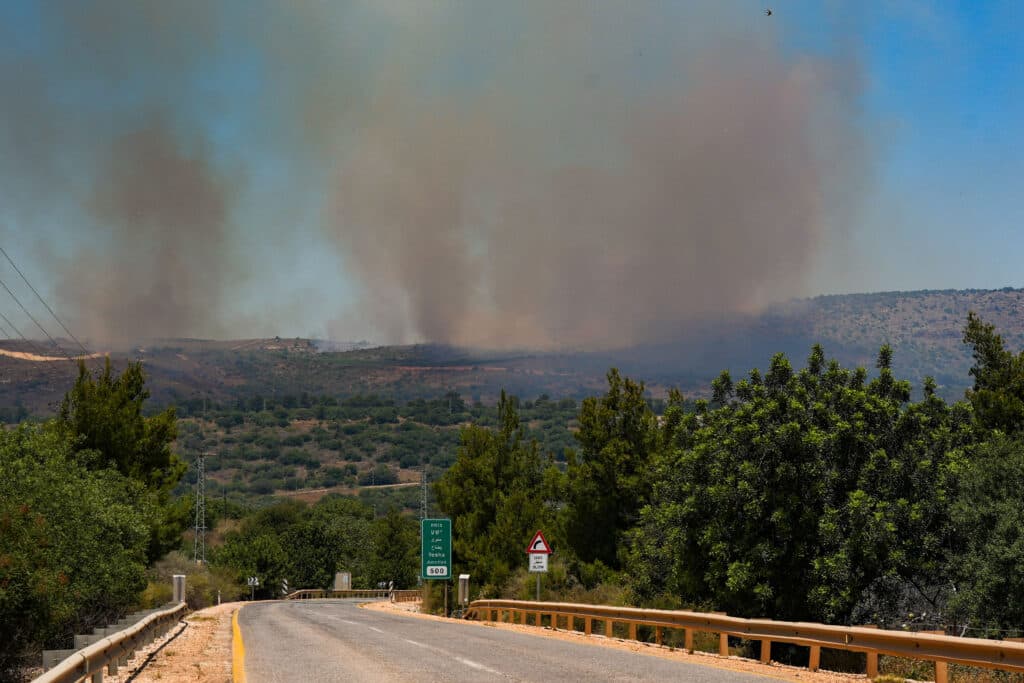
View of a large fire caused from rockets fired from Lebanon in the Upper Galilee. | Photo by Ayal Margolin/Flash90
The Galilee, Israel’s northern region, is a land of deep historical and religious significance. Though a ceasefire has temporarily halted the attacks, the damage has been done—both to the lives of Israeli citizens and to the region’s rich biblical heritage. The destruction and ongoing threat to these treasured sites represent a tragic assault on cultural heritage, religious identity, and collective memory.
A Land of History Left Scarred
Famed for its breathtaking landscapes, ancient synagogues, and archaeological wonders, the Galilee became a war zone as its towns and villages came under fire. Many residents were evacuated to safer areas, enduring difficult conditions as they awaited the chance to return home. Towns such as Safed, Tiberias, and Kiryat Shmona—each with centuries of history—were targeted, placing invaluable heritage at risk.
Safed, a city deeply connected to Jewish history and spirituality, sustained damage to some of its historic synagogues, which have stood for hundreds of years as symbols of Jewish resilience. Meanwhile, sites of ancient significance around the Sea of Galilee—including Capernaum and the Mount of Beatitudes—faced an existential threat as rockets fell dangerously close.
The impact of Hezbollah’s attacks was devastating. In a single day, over 100 rockets were fired into northern Israel, with several striking Kiryat Shmona and damaging homes, apartment buildings, and schools. The Kiryat Shmona Tennis Center was hit, leaving shrapnel-scattered grounds and deep cracks across the courts.
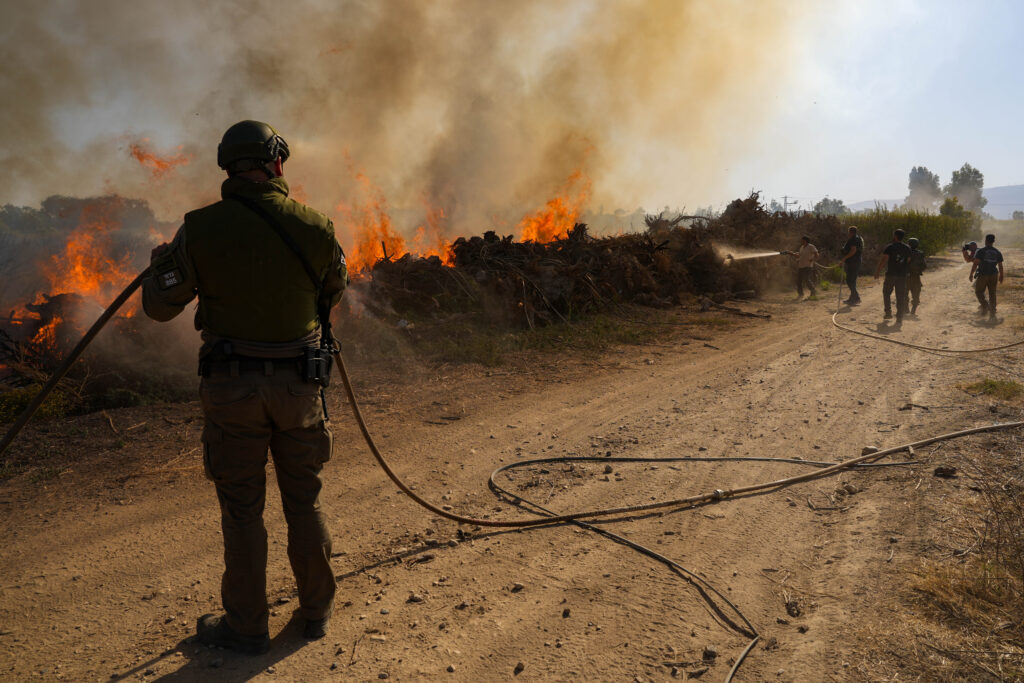
In nearby Metulla, overlooking the northern border, homes bore the brunt of the missile barrage, with few left unscathed and many completely destroyed. Fires sparked by falling rocket debris further devastated the Galilee’s natural landscape, a danger that could intensify if hostilities resume. The town remains a closed military zone, with residents uncertain when—or if—they will return to rebuild their lives.
Cultural Destruction as a Weapon of War
Hezbollah’s targeting of historic and religious sites was no accident—it was a calculated strategy aimed at erasing Israel’s past and weakening its national and spiritual identity. By striking locations of immense historical and religious significance, the terror group sought to demoralize both Israelis and global supporters of Jewish heritage.
This tactic mirrors the actions of extremist groups that, in recent history, have deliberately destroyed cultural landmarks in Iraq and Syria. The loss of these historic sites is not just a tragedy for Israel but for the world. Each attack on the Galilee’s heritage is an attack on the collective history of humankind. It is imperative that the international community recognizes these assaults for what they are—acts of cultural warfare—and demands accountability.
The Urgent Call to Protect and Restore
Though the ceasefire has brought temporary relief, the scars left by Hezbollah’s rocket fire remain. Israel must now focus on restoring and protecting its historical and religious sites before further damage is inflicted—whether by future conflicts or neglect.
The Israeli government, in collaboration with heritage organizations and international allies, must prioritize the fortification and restoration of these landmarks. Investments in missile defense systems like Iron Dome have already saved countless lives; similar proactive measures must be taken to shield Israel’s irreplaceable cultural treasures.
Efforts to document and preserve at-risk sites must also accelerate. Digitization of ancient manuscripts, architectural surveys, and structural reinforcements can help mitigate further loss. Global communities and cultural preservation organizations must rally in support of Israel’s efforts to restore and protect these sites before it is too late.
The Galilee, an irreplaceable cornerstone of world history, has suffered deeply from Hezbollah’s attacks. While the ceasefire offers a moment to assess the damage, the threat remains. The world cannot afford to be complacent. Protecting these sacred places is not just an Israeli imperative—it is a moral duty for all who value history, faith, and civilization itself. The international community must act, because allowing history to be erased is a betrayal of the future we all share.
Ruthie Jaffe Lieberman is a licensed tour guide with a political consulting firm on the side. Her passion is the Land of Israel and she’s completing a Masters in archaeology focused on the Israelite kingdom in the 8th century BCE. She can be reached at jaffestrategies@gmail.com.
Discussion0
No comments yet — be the first to share your thoughts.