Riyadh Airport Reopening Begins After Deadly Houthi Strike
Riyadh airport has partially reopened two weeks after a deadly Houthi missile strike, even as the group warns that the facility remains a military target
Sinai Desk
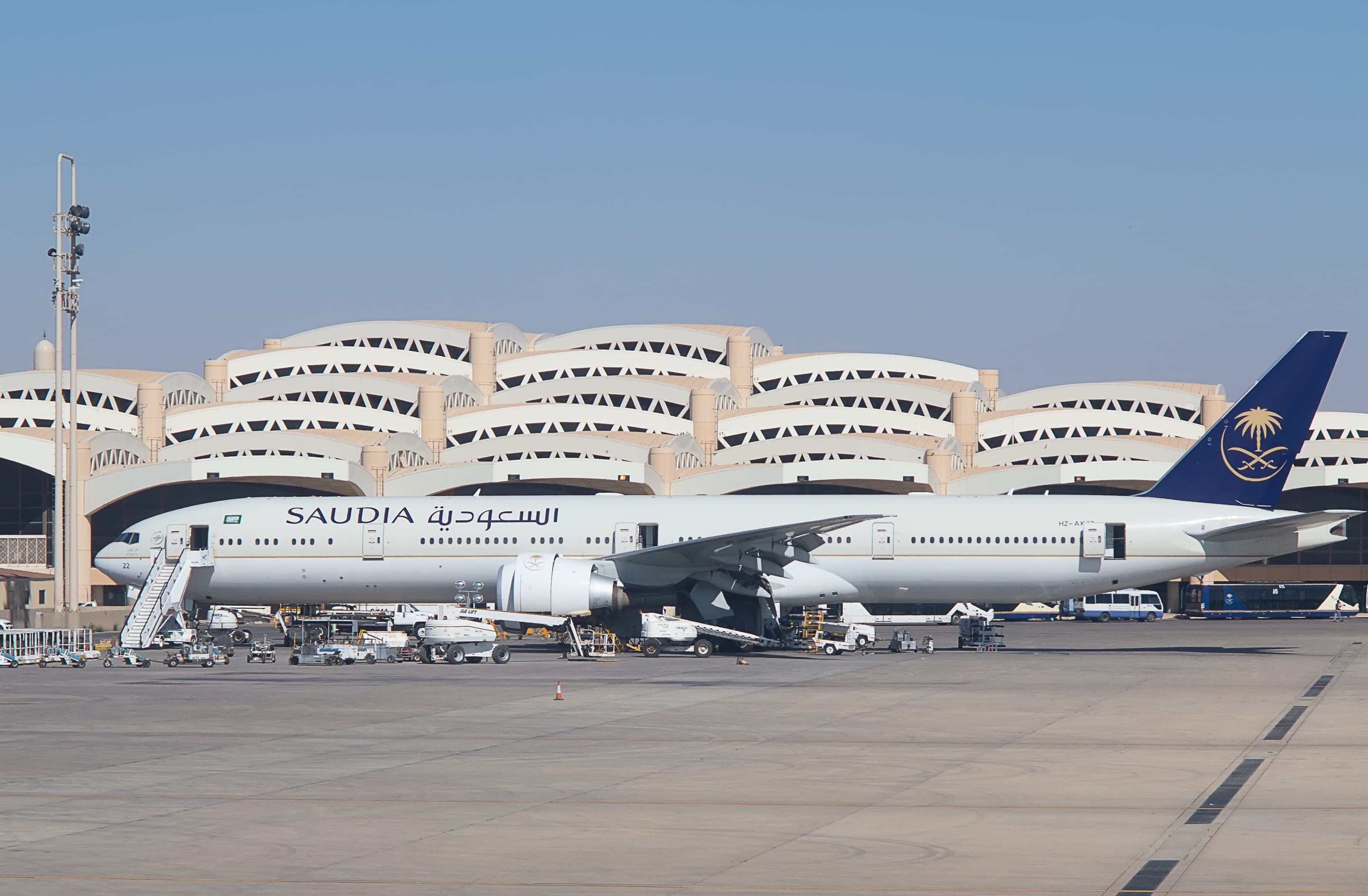
The Riyadh airport reopening began Sunday, October 25, as King Khalid International Airport restored limited passenger operations two weeks after a deadly Houthi missile strike. The October 10 attack killed 13 people and wounded more than 300, forcing Saudi authorities to suspend operations at one of the kingdom’s most important aviation hubs.
Under the new arrangements, Terminal 1 is handling domestic flights while Terminal 2 serves international flights operated by Saudi national carriers. Airport authorities urged passengers to confirm their reservations and flight status before traveling to the airport, signaling that operations remain far from fully normalized.
Psalm 4:8 declares, “I will both lay me down in peace, and sleep: for thou, Lord, only makest me dwell in safety.” Civil aviation depends on that basic expectation of security. When missiles and drones turn airports into targets, the consequences reach ordinary travelers, workers, commerce and entire regional economies.
Riyadh Airport Reopening Comes Under Renewed Threat
The reopening is taking place while the danger remains active. Houthi military spokesman Yahya Saree warned airlines and passengers that King Khalid International Airport remains a military target. Saudi-led forces also reported intercepting missiles and drones directed toward Riyadh and other parts of the kingdom on Sunday.
The Houthis, formally known as Ansar Allah, have intensified attacks on Saudi Arabia as fighting escalates in Yemen. Saudi-backed Yemeni government forces recently launched a major counteroffensive to retake Houthi-held territory, including strategically important areas near the Bab el-Mandeb Strait. Saudi airpower has supported those advances.
That military pressure has increasingly spilled into civilian infrastructure. The October 10 strike on Riyadh airport was followed by another attack the next day that killed one additional person and wounded 11. The Houthis have also claimed attacks on Saudi airports, energy facilities and military sites elsewhere in the kingdom.
The gradual return of flights follows the disruption detailed in “Riyadh Airport Closure Extended to October 17.” That earlier shutdown forced international carriers to cancel or reroute services and demonstrated how quickly missile warfare can disrupt one of the Gulf’s central transport networks.
A Regional Security Test
The Riyadh airport reopening matters well beyond Saudi Arabia. Israel has faced the same Houthi missile and drone network, while the United States depends on secure Gulf airspace, energy infrastructure and regional partners. Washington has also provided support to Saudi-backed Yemeni forces as the campaign against Houthi territorial gains intensifies.
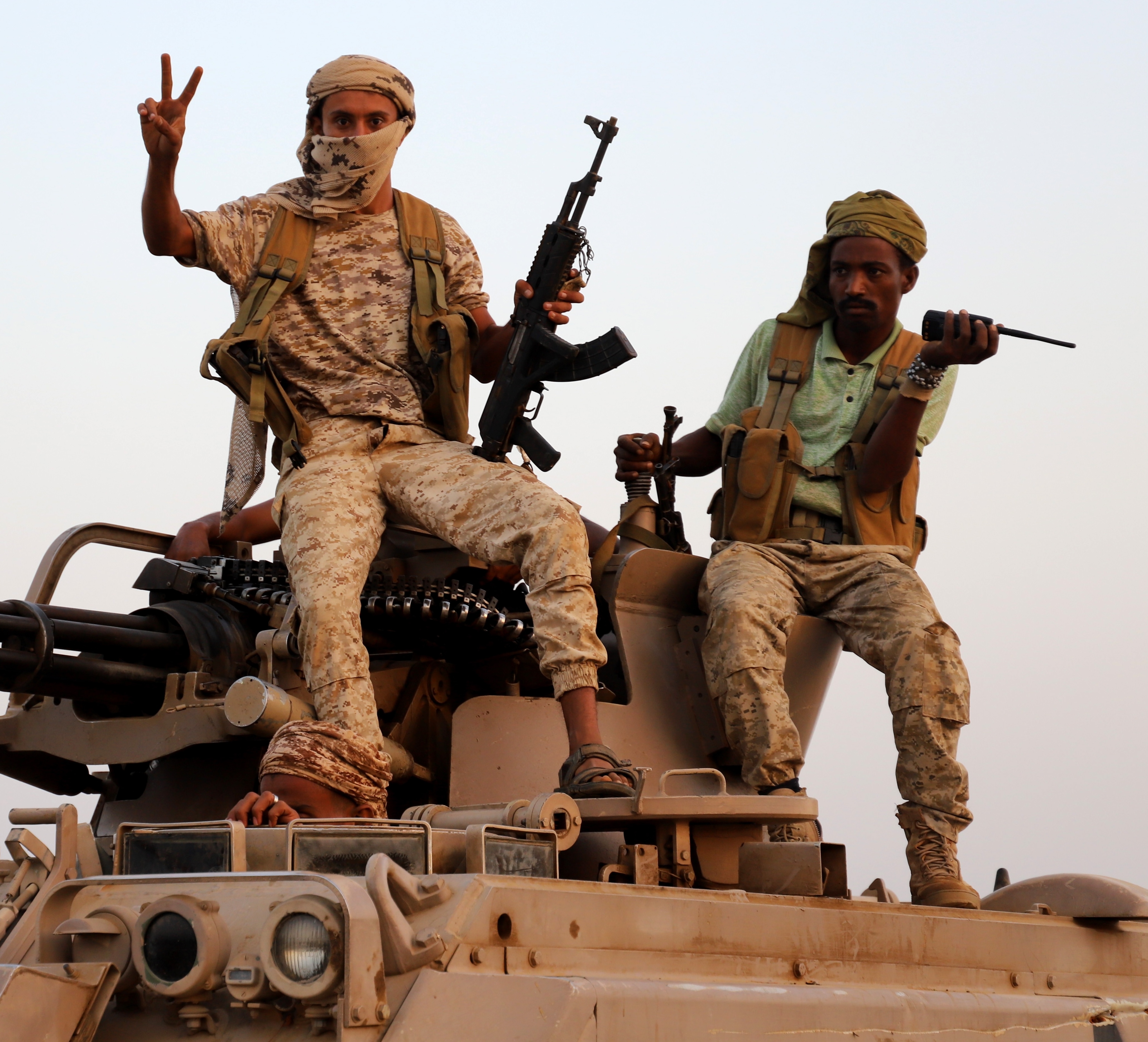
The strategic geography makes the conflict especially consequential. Bab el-Mandeb links the Red Sea to the Gulf of Aden and carries a significant share of global trade. Houthi control or disruption around that corridor affects shipping, energy prices and Western commercial interests, while attacks deeper inside Saudi Arabia expand the threat from maritime routes to civilian aviation.
The reopening therefore represents progress, but not a return to normal. Saudi authorities are restoring access to Riyadh while simultaneously intercepting new attacks and facing explicit threats against the airport itself.
Keeping Civilian Routes Open
Israel’s covenantal mission before God requires the defense of Jewish life and the preservation of secure national sovereignty. The Houthi threat has shown that Iranian-aligned forces can endanger civilians far beyond Yemen, from Israeli cities to Saudi airports and Red Sea shipping lanes.
America’s covenantal responsibility takes a different form, rooted in liberty, secure commerce and the defense of allies against coercion and terrorism. Keeping civilian aviation and international trade routes open serves those principles while limiting the ability of armed movements to dictate regional life through missile fire.
King Khalid International Airport is operating again, but under conditions shaped by war. Its partial reopening is therefore both a practical step forward and a reminder that the battle over regional security now reaches directly into the terminals, runways and transportation networks civilians depend on every day.
For more stories on Israel, faith, and the values behind the headlines, follow Sinai on Facebook and Instagram.
Discussion0
No comments yet — be the first to share your thoughts.