Iran Fires Back at Macron Over France Riots
Macron linked rising French fuel prices to the Iran war as nationwide unrest continued, prompting a sharp response from Iranian Foreign Minister Abbas Araghchi
Sinai Desk
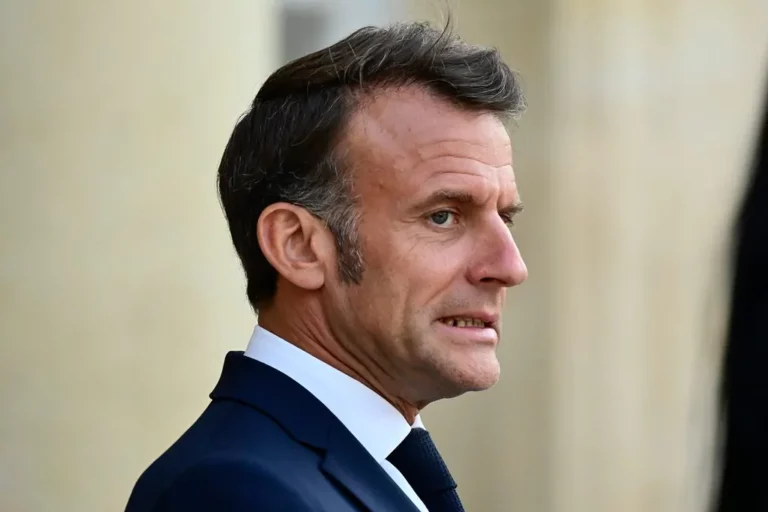
Iran Fires Back at Macron after the French president linked rising fuel prices to the ongoing war with Iran. Emmanuel Macron made the connection while addressing nationwide unrest and condemning looting and attacks on public buildings. Iranian Foreign Minister Abbas Araghchi responded by accusing Macron of helping create the conflict he now blames for France’s economic pressure.
The unrest followed weeks of student demonstrations that expanded into wider protests over living costs and public services. More than half a million people joined marches across France on Saturday, according to Reuters. Violent groups later looted businesses, attacked police and damaged public buildings. French authorities reported about 2,400 arrests and nearly 1,000 injured officers.
Ecclesiastes 7:9 warns, “Be not hasty in thy spirit to be angry.” France now faces anger on several levels at once: public frustration over prices, government anger at rioters and a diplomatic quarrel over responsibility for the economic consequences of war. The challenge is separating legitimate grievance from violence, and economic cause from political blame.
France Riots Put Fuel Prices at Center of Debate
Macron said France felt both “anger and shame” after seeing widespread destruction. He insisted that authorities should distinguish peaceful demonstrators from people engaged in looting and vandalism. He also promised accountability for those who damaged businesses and government buildings.
The president then addressed the economic grievances behind the demonstrations. Macron said concerns over living costs and fuel prices were legitimate and linked the renewed pressure on energy prices to the Middle East conflict. He stressed that France did not directly participate in that war but was suffering its economic consequences.
The connection between the war and fuel costs is not merely rhetorical. Earlier this month, Macron convened G7 leaders over rising energy prices. The Élysée said the increase was linked to events in the Middle East and called for coordinated action to restore navigation through the Strait of Hormuz, increase refinery output and release strategic reserves.
Oil markets have remained under pressure as Gulf shipping disruptions constrain supply. Reuters reported this weekend that Brent crude remained above $100 per barrel while reduced traffic through Hormuz continued affecting global energy markets.
Macron said he would continue diplomatic efforts in Gulf states to help secure French energy supplies. His government is also trying to respond to the broader cost-of-living concerns that transformed an education-focused protest movement into a much larger national crisis.
Iran Fires Back at Macron Over War Blame
Iran Fires Back at Macron as Tehran attempts to turn France’s domestic unrest into a wider argument over responsibility for the war and its economic consequences.
Araghchi responded sharply Monday. The Iranian foreign minister accused Macron of supporting policies that contributed to the war and said it was now “too late” for him to blame the conflict for France’s domestic problems.
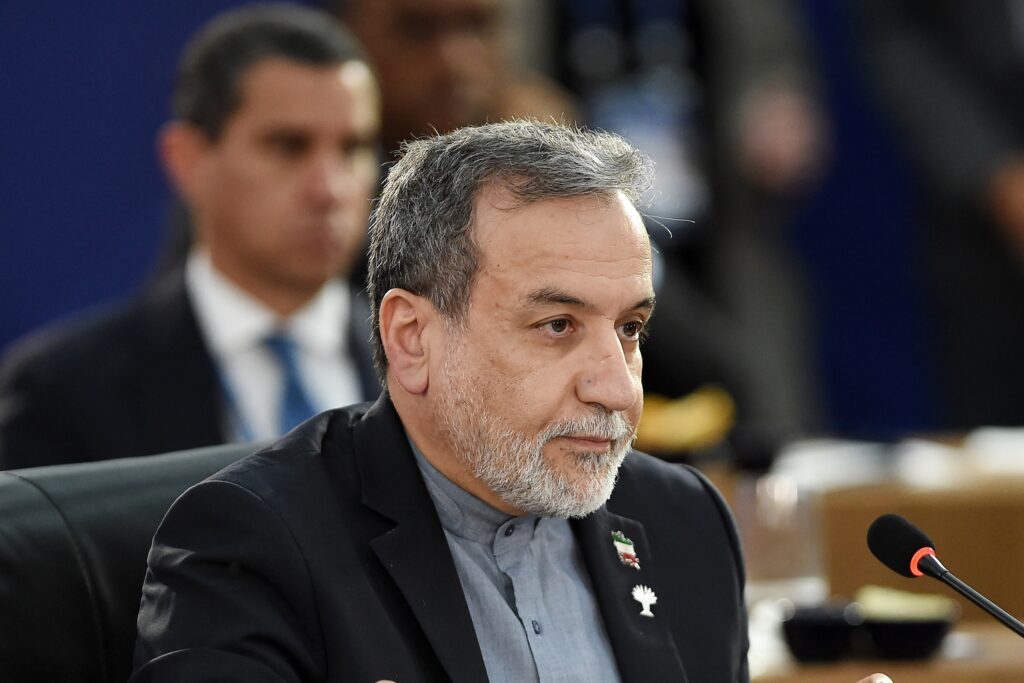
“Mr. Macron made his bed when he assured POTUS that he welcomes atrocities against Iranians,” Araghchi wrote, according to Iranian media. He added that the French public was demanding “wholesale change, including freedom of assembly” and told Macron to “listen to the future of France.”
That language reflects Tehran’s characterization of Macron’s position, not an established description of French policy. Araghchi pointed to an earlier private message from Macron to President Donald Trump in which Macron wrote that the two sides could “do great things on Iran.” Iran presented the message as evidence of French support for the U.S.-Israeli campaign. France, however, has publicly emphasized that it did not participate directly in the war.
Iranian Foreign Ministry spokesman Esmaeil Baghaei made a related argument one day earlier. He accused Macron of applying one standard to protests in Iran and another when disorder reached France. Tehran has repeatedly used the French unrest to challenge Western governments on freedom of assembly and human rights.
That does not resolve the underlying issue inside France. Macron himself separated lawful protest from rioting, while French authorities blamed much of the violence on far-left groups and criminal looters. Peaceful demonstrators, meanwhile, continue pressing demands involving education, declining public services and the cost of living.
The diplomatic clash also adds another layer to Macron’s increasingly tense relationship with Jerusalem. In “Netanyahu Responds to Macron Over Israel Security,” Prime Minister Benjamin Netanyahu challenged Macron’s criticism of Israeli policy by arguing that European judgments about Israel often ignore the security threats facing Israeli civilians.
The present dispute is different, but the same regional war now reaches European politics through energy markets, domestic protests and arguments over responsibility. France may be geographically distant from Israel and Iran, yet the economic effects of Middle Eastern conflict are reaching French streets.
War Abroad, Political Pressure at Home
The episode matters to Israel because Iran is attempting to turn the economic consequences of the war into a political argument against governments aligned with Washington and Jerusalem. Tehran’s message is that countries supporting pressure on Iran should expect consequences at home. Whether that argument gains traction in Europe could shape political support for future measures involving Iran, sanctions and regional security.
Washington is equally central to the dispute. Araghchi addressed Macron’s relationship with President Trump directly, while the broader energy crisis has already forced cooperation among the United States, France and other G7 economies. American policy toward Iran therefore affects not only military deterrence but also fuel markets, European political stability and alliance management.
Strength, Accountability and the Covenant of Free Nations
Israel’s covenantal mission before God carries a responsibility to defend Jewish sovereignty against forces seeking its destruction. That duty does not disappear because military action carries economic consequences abroad. Iran’s threats, its nuclear ambitions and pressure on international shipping remain questions that Israeli leaders view through the survival of the Jewish state.
America’s covenantal mission developed through a different history, centered on ordered liberty, constitutional government and the defense of a free society. Its partnership with Israel places both nations inside difficult decisions about when strength is necessary and how that strength affects allies far beyond the battlefield.
France now faces its own test of democratic government. Macron must address legitimate grievances without excusing violence, while also explaining honestly why energy prices have risen. Iran, meanwhile, is using those same protests to advance its own diplomatic narrative.
The France riots therefore show how quickly a Middle Eastern war can become a European domestic issue. Missiles and naval confrontations may remain thousands of miles away, but energy markets, political anger and competing narratives cross borders much faster.
For more stories on Israel, faith, and the values behind the headlines, follow Sinai on Facebook and Instagram.
Discussion0
No comments yet — be the first to share your thoughts.