Pakistan Blocks Al Jazeera English Website
Pakistan blocked Al Jazeera English over alleged biased election coverage, raising broader questions about Qatari media influence, U.S. diplomacy, and Israel.

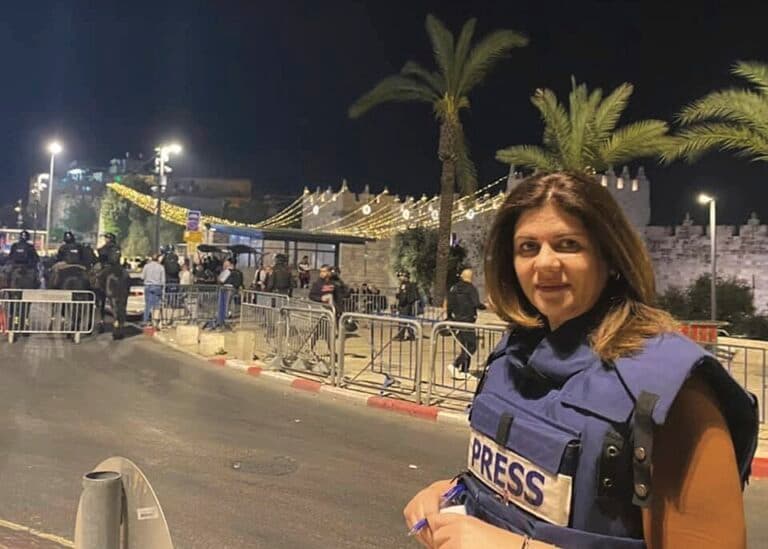
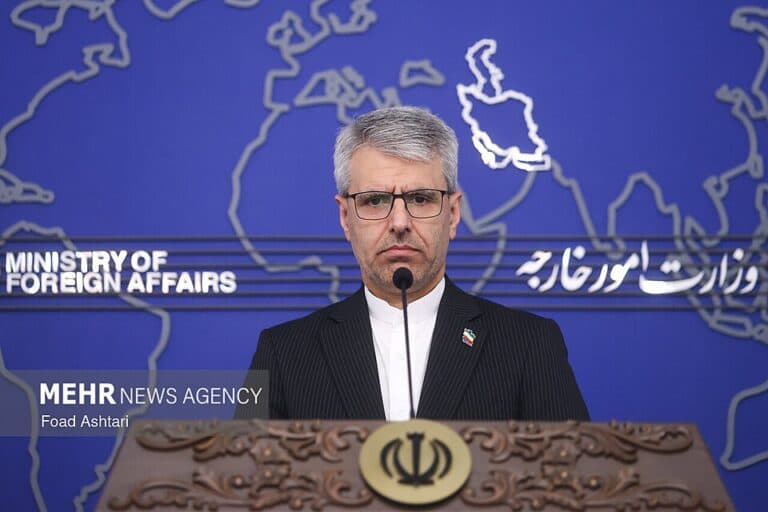
Pakistan blocked Al Jazeera’s English website across the country, according to the report, citing “biased and sensational coverage” during the opening of the polls in Pakistan’s elections.
The move came from Pakistan’s Ministry of Information and immediately drew attention because Al Jazeera is one of Qatar’s most powerful media arms. The network plays an outsized role in shaping regional narratives, especially around Gaza, Israel, Iran, and the wider Arab world.
The fact that Pakistan, a Muslim-majority country with close ties across the Islamic world, moved against Al Jazeera is notable. Criticism of the network often comes from Israel, Western conservatives, or governments that accuse Qatar of using media influence for political leverage. This time, the backlash came from another major Muslim state.
The Tanakh says, “Keep far from a false matter.” That verse gives this story its moral frame. Media power matters because distorted coverage can shape public anger, diplomatic pressure, and even security decisions.
Al Jazeera Pakistan Ban
For Pakistan, the issue centered on election coverage. Officials accused Al Jazeera English of biased and sensational reporting during a politically sensitive moment.
For Qatar, the block carries diplomatic weight. Doha has long used mediation, media, and political access to expand its influence across the region. The report also noted that Pakistan and Qatar are competing to lead negotiations between Iran and the United States. Qatar also competed with Egypt in negotiations between Israel and Hamas.
That context matters. Al Jazeera is not only a media outlet in regional politics. It sits inside a broader Qatari influence ecosystem that includes diplomacy, mediation, and soft power.
Why Israel And America Should Notice
This issue connects directly to “IDF: Al Jazeera Photographer Killed Was Hamas Sniper.” The IDF said Ahmed Samir Muhammad Washah, an Al Jazeera photojournalist killed in central Gaza, also served as a Hamas sniper operative.
Israel has repeatedly accused Al Jazeera and its personnel of crossing the line between journalism and terror-adjacent activity in Gaza. Pakistan’s move does not prove Israel’s claims in other cases. However, it does show that concerns over Al Jazeera’s conduct are not limited to Israel.
For the United States, the Pakistan decision is also relevant. Washington often works with Qatar as a mediator, especially in talks involving Hamas, Iran, and regional crises. However, American policymakers must also weigh Qatar’s media influence and the narratives it promotes.
For Israel, the issue is sharper. Al Jazeera’s coverage can shape global opinion during war, often in ways that increase pressure on Israel while softening the image of terror groups.
Covenant Of Truth In Public Life
The United States and Israel share a covenantal understanding before God rooted in truth, justice, human dignity, and the defense of free societies from manipulation.
America’s covenantal tradition emphasizes liberty under God, open debate, and the need for honest public institutions. Israel’s covenant is ancient and unique, rooted in the God of Israel, Torah, Jewish peoplehood, and the return to the land.
America cannot build sound Middle East policy on distorted narratives. Israel cannot defend itself if global media platforms turn terror groups into political actors while casting Israeli self-defense as aggression.
Pakistan’s block of Al Jazeera English should therefore raise a broader question: when even states outside Israel’s camp accuse the network of bias, how seriously should Washington and Jerusalem treat its influence?
Ultimately, the issue is not press freedom versus censorship alone. It is also about accountability. Powerful media outlets that shape war, diplomacy, elections, and public opinion must answer for the trust they demand.
For more stories on Israel, faith, and the values behind the headlines, follow Sinai on Facebook and Instagram.
Discussion0
No comments yet — be the first to share your thoughts.