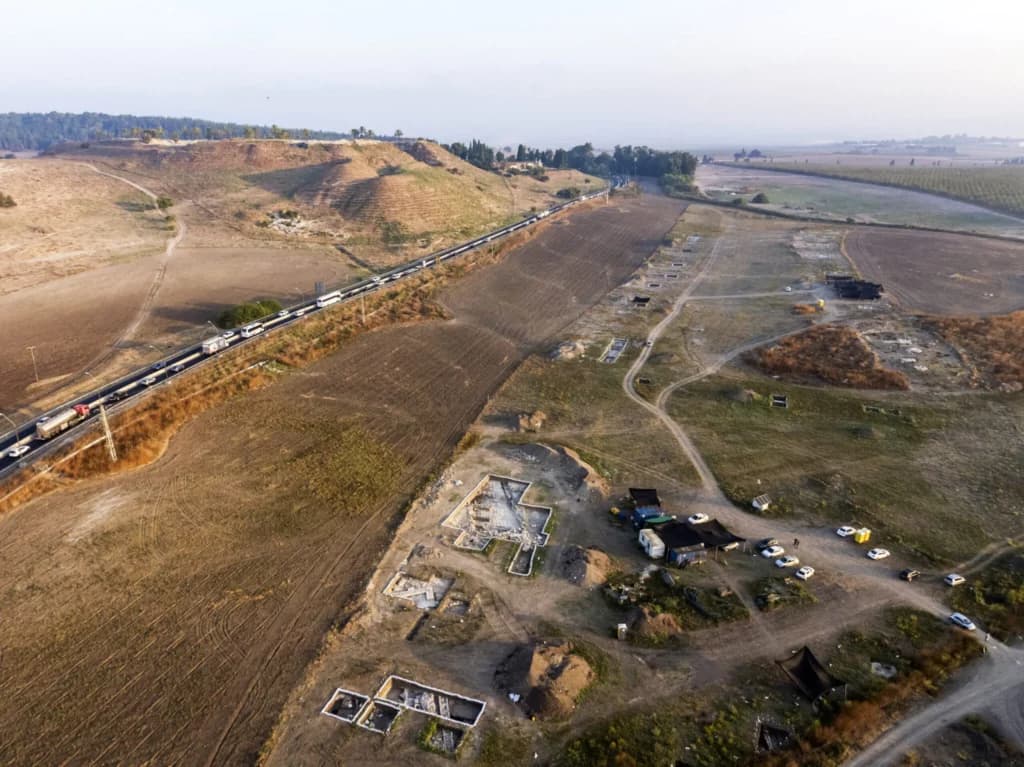
Noah’s Ark Scans Reveal New Structures Near Ararat
New radar scans and core drilling at Turkey’s Durupınar formation have revealed unusual underground features, but testing has not yet confirmed Noah’s Ark

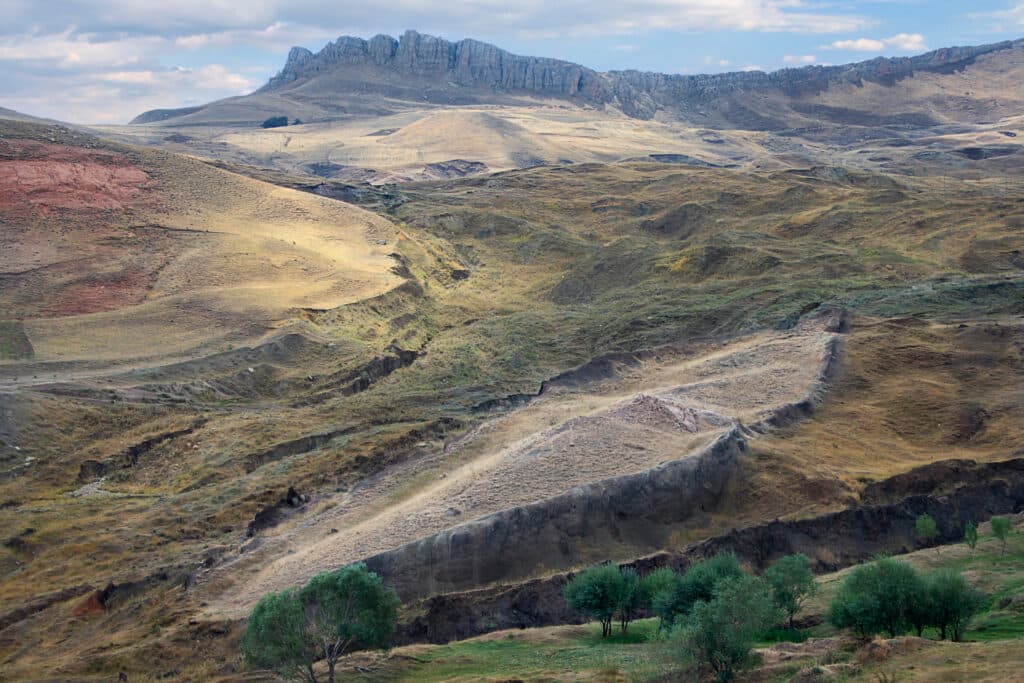
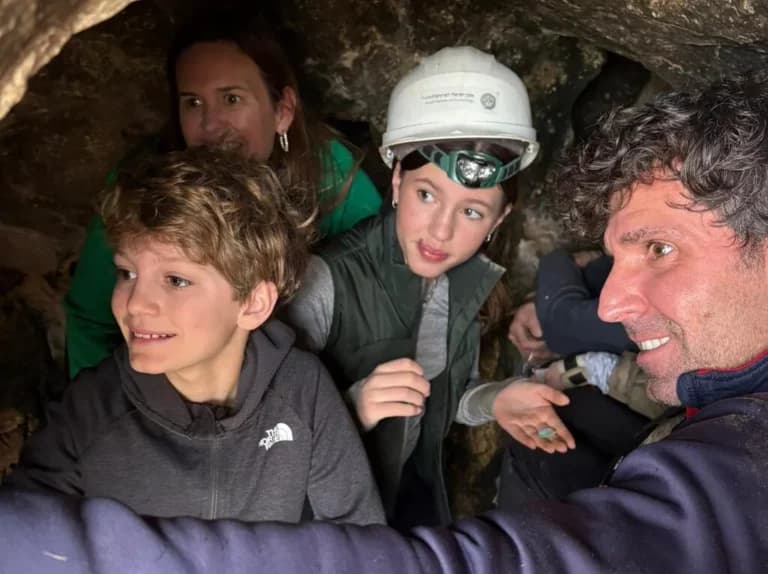
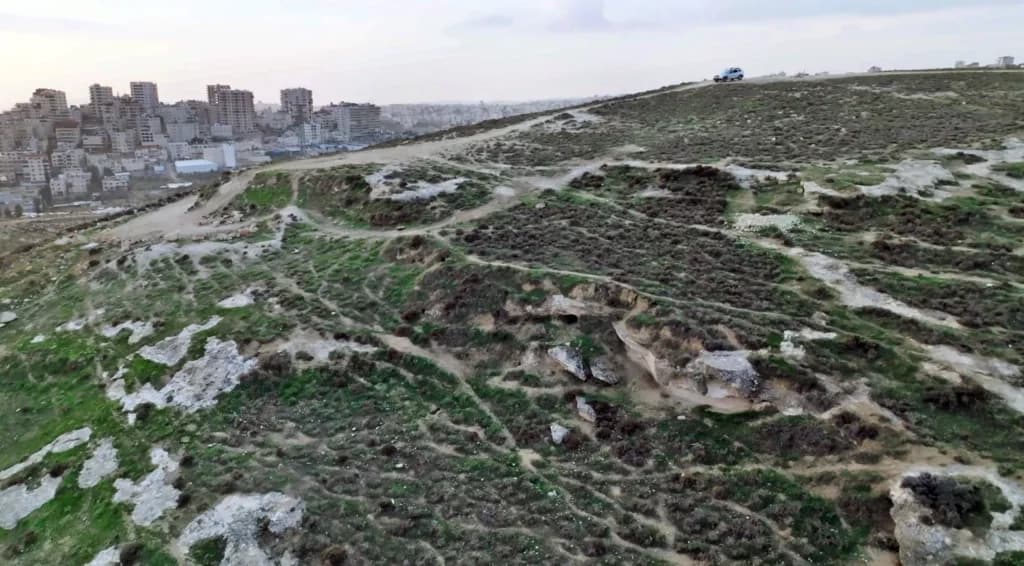
New Noah’s Ark scans are renewing debate over the Durupınar formation near Mount Ararat after researchers reported angular structures, corridor-like spaces and large underground voids. The international team investigating the site says recent radar imaging strengthens its belief that something unusual lies beneath the 157-meter, or 515-foot, boat-shaped formation. Core drilling has also begun as researchers move from remote imaging toward physical samples.
The findings are potentially significant, but they do not yet prove that the site is Noah’s Ark. Reports claiming the scans “100% confirmed” a man-made structure reflect statements associated with the research team, not an independent archaeological consensus. Laboratory testing remains underway, and the project itself says further analysis is needed before scientists can determine the formation’s true nature.
Genesis 8:4 says that the Ark “rested upon the mountains of Ararat.” The Hebrew Bible does not identify the modern summit of Mount Ararat itself. Instead, it refers more broadly to the mountains of Ararat, making the surrounding region central to centuries of Jewish, Christian and later Islamic tradition.
Noah’s Ark Scans Show Unusual Features
The latest research builds on ground-penetrating radar, electrical resistivity and other surveys conducted over several years. The Noah’s Ark Scans team says earlier imaging revealed linear features, right-angle intersections and chamber-like spaces beneath the formation. Researchers have interpreted some of those anomalies as possible corridors, walls or structural levels.
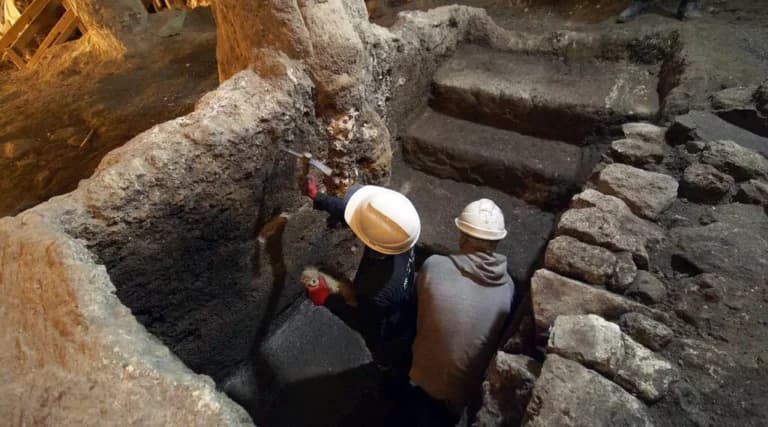
This year, the Turkish government authorized a new geological research program led by Prof. Dr. Cenker Atila of Sivas Cumhuriyet University. Researchers are now collecting core samples at depths reaching roughly 18 meters. They also plan to investigate mapped underground voids using a specialized robotic system.
The expedition reported that a drill bit struck an exceptionally hard layer during the work. Petrified wood is one possibility raised by the project, but researchers have not confirmed that interpretation. Samples are undergoing laboratory analysis, and the team says a scientific statement will follow after those tests are completed.
Soil testing has added another intriguing piece of evidence. The project says samples taken inside the formation contained considerably more organic material than surrounding soil. Researchers argue that decayed wood could explain the difference, though geological processes could also produce unusual chemical concentrations.
A Biblical Claim That Still Demands Evidence
The Durupınar site has generated similar excitement before. A peer-reviewed geological study published in the Journal of Geoscience Education in 1996 concluded that the formation was natural. Researchers Lorence Collins and David Fasold identified it as a geological structure shaped by folded sedimentary layers and erosion.
That history makes the new physical testing especially important. Fasold himself had once promoted the formation as Noah’s Ark before later rejecting that identification. Earlier core drilling also failed to uncover wood and instead found geological material consistent with a natural formation.
The current project acknowledges that the question remains unresolved. Its Turkish research program explicitly says the work documents geological and geophysical evidence rather than authenticating a religious or historical claim. That distinction protects the investigation from becoming a conclusion in search of evidence.
For Jews, the importance of the story extends far beyond the possibility of finding a wooden vessel. Noah and the Flood belong to the opening chapters of Bereshit, before Abraham, Sinai or the emergence of Israel as a nation. The story forms part of the Torah’s explanation of humanity, judgment, preservation and renewed responsibility after catastrophe.
The narrative also remains deeply embedded in American religious culture. Museums, churches and projects such as the full-scale Ark Encounter in Kentucky reflect continued public fascination with the biblical account. That interest gives discoveries around Ararat unusual cultural reach across both Israel and the United States.
That same enduring power of biblical memory appeared in “Netanyahu UN Speech: Israel Will Prevail.” Netanyahu repeatedly invoked Scripture and Jewish continuity while defending Israel at the United Nations. The Durupınar investigation belongs to a very different field, but it demonstrates the same underlying reality: ancient biblical texts continue to shape modern identity, archaeology and public debate.
Covenant Beyond the Archaeology
The covenant attached to Noah is especially significant in Jewish thought because it precedes Israel’s national covenant. After the Flood, Genesis describes God establishing a covenant with Noah, his descendants and living creation. The rainbow becomes its sign, linking survival with a renewed moral order.
Israel’s later covenantal mission is distinct. It carries the particular obligations, memory and destiny of the Jewish people. Yet the Noah narrative begins with something universal: human life has value, violence has consequences and humanity remains responsible before God.
America is not biblical Israel, but biblical language has deeply influenced its public tradition. American religious and civic life has often connected freedom and national responsibility with accountability before God. The Noah story therefore occupies common cultural ground while retaining its uniquely foundational place within the Torah.
Whether Durupınar contains the remains of an ancient vessel is now a scientific question. If researchers eventually recover identifiable worked timber, construction materials or archaeological features in a secure context, the discovery would demand extraordinary attention. If laboratory evidence instead supports the existing geological explanation, that result will matter as well.
The new Noah’s Ark scans have made the site worth watching again, but the strongest approach is also the most biblical one: truth does not need exaggeration. The radar anomalies, drilling and laboratory samples should be allowed to speak through careful evidence. What lies beneath Durupınar may soon become clearer, but the investigation has not yet reached its final answer.
For more stories on Israel, faith, and the values behind the headlines, follow Sinai on Facebook and Instagram.
Discussion0
No comments yet — be the first to share your thoughts.