A Witness in Stone and Ash: Ancient Ritual Bath Reveals Temple Life Before the Destruction
“”For the LORD has chosen Zion, he has desired it for his dwelling, saying, ‘This is my resting place for ever and ever; here I will sit enthroned, for I have desired it’” (Psalm 132:13-14 NIV). Excavations conducted by the Israel Antiquities Authority in collaboration with the Western Wall Heritage Foundation recently uncovered a rock-hewn

“”For the LORD has chosen Zion, he has desired it for his dwelling, saying, ‘This is my resting place for ever and ever; here I will sit enthroned, for I have desired it'” (Psalm 132:13-14 NIV).
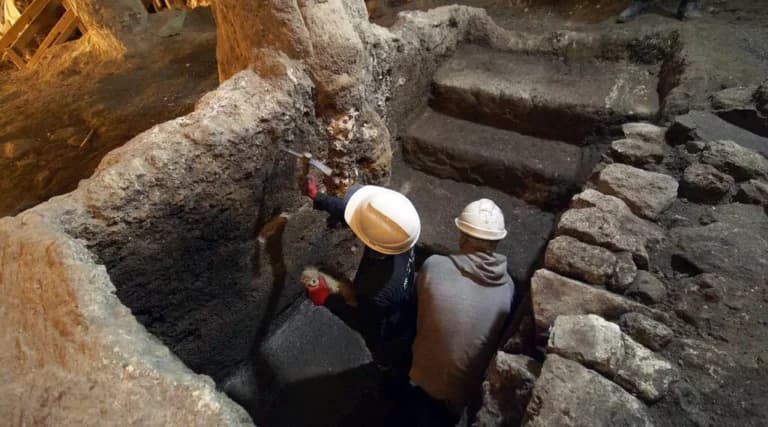
Excavations conducted by the Israel Antiquities Authority in collaboration with the Western Wall Heritage Foundation recently uncovered a rock-hewn ritual purification bath, or “mikveh” beneath the Western Wall Plaza in Jerusalem, dating to the final years of the Second Temple era . The mikveh was found sealed beneath layers of ash – a clear archaeological testimony to the Roman destruction of Jerusalem in AD 70.
A Window into Life Before the Destruction
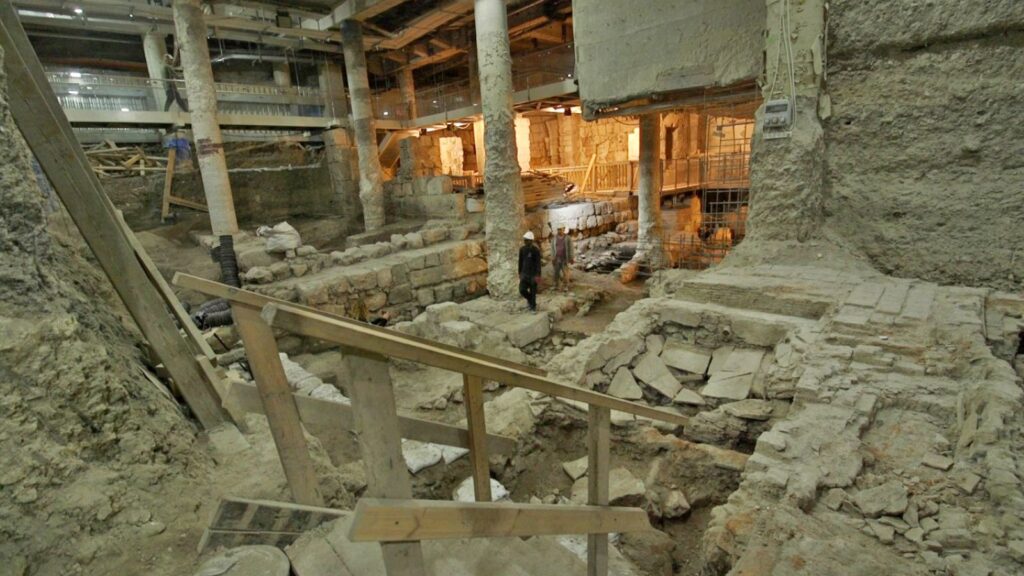
In an official announcement released on December 29, the Israel Antiquities Authority reported that the excavations had been carried out near key Temple-era landmarks: the Great Bridge to the north and Robinson’s Arch to the south. Additional evidence of ritual-purity practices was uncovered in the area, including other ritual baths and stone vessels. Researchers believe the mikveh served both residents of Jerusalem and the many Jewish pilgrims who came to worship at the Temple.
The newly discovered mikveh is rectangular in shape, measuring 3.05 meters in length, 1.35 meters in width, and 1.85 meters in height. Four rock-cut steps were exposed along its southern side, leading down into the pool. Within the destruction layer, archaeologists found pottery and stone vessels characteristic of Jewish life in Jerusalem on the eve of the city’s fall in AD 70.
Jerusalem: A Temple City
Ari Levy, the excavation director on behalf of the Israel Antiquities Authority, emphasized the unique character of ancient Jerusalem. “It is important to remember that Jerusalem was a Temple city,” Levy said. “As such, many aspects of daily life were adapted to this reality, and this is reflected especially in the meticulous observance of the laws of ritual impurity and purity by the city’s residents and leaders. Indeed, the Talmud took note: “Come and see to what extent ritual purity was widespread in Israel”.
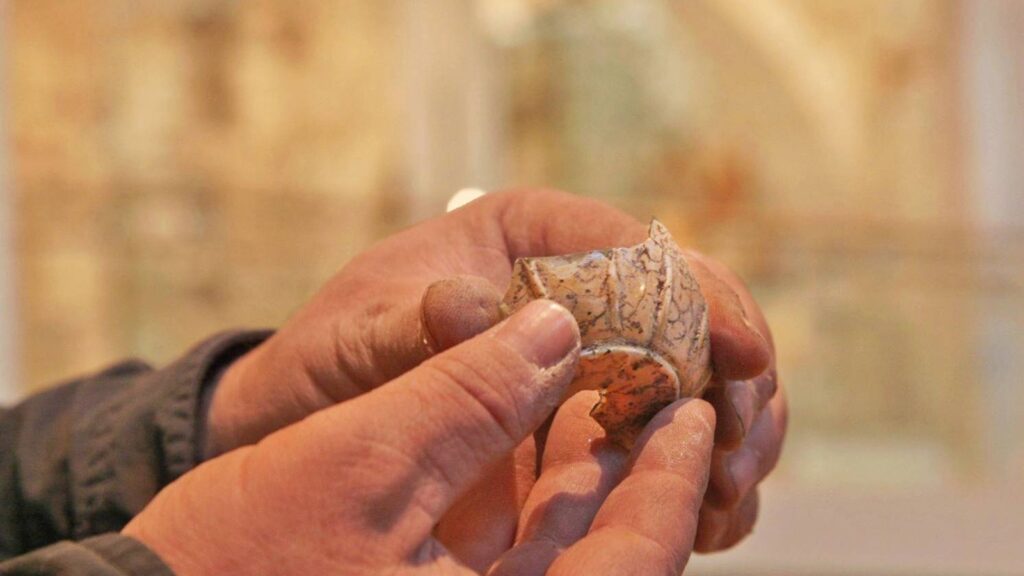
Levy also explained the extensive use of stone vessels during this period: “The reason lies in Jewish Law, under which stone does not contract ritual impurity, unlike pottery or metal. As a result, stone vessels could be used repeatedly over long periods of time.”
Past and Future
Israel’s Minister of Heritage, Rabbi Amichai Eliyahu, celebrated the discovery, saying: “The exposure of a mikveh beneath the Western Wall Plaza strengthens our understanding of how deeply faith and daily life were intertwined in Jerusalem during the Second Temple period.”
He added: “This moving discovery underscores the importance of continuing archaeological excavations and research in Jerusalem and our responsibility to preserve this historical memory for generations to come.”
Director of the Western Wall Heritage Foundation Mordechai (Soli) Eliav said: “The excavation of a mikveh from the Second Temple era beneath the Western Wall Plaza, sealed with ash from the destruction, is a powerful testimony to the ability of the people of Israel to be lifted up from impurity to purity, and from destruction to restoration.”
Watch the excavation and discovery:
Discussion0
No comments yet — be the first to share your thoughts.