David Zini: Israel Will Pursue October 7 Attackers Worldwide
Shin Bet chief David Zini vowed to pursue every participant in the October 7 massacre worldwide, saying distance and time will not prevent accountability

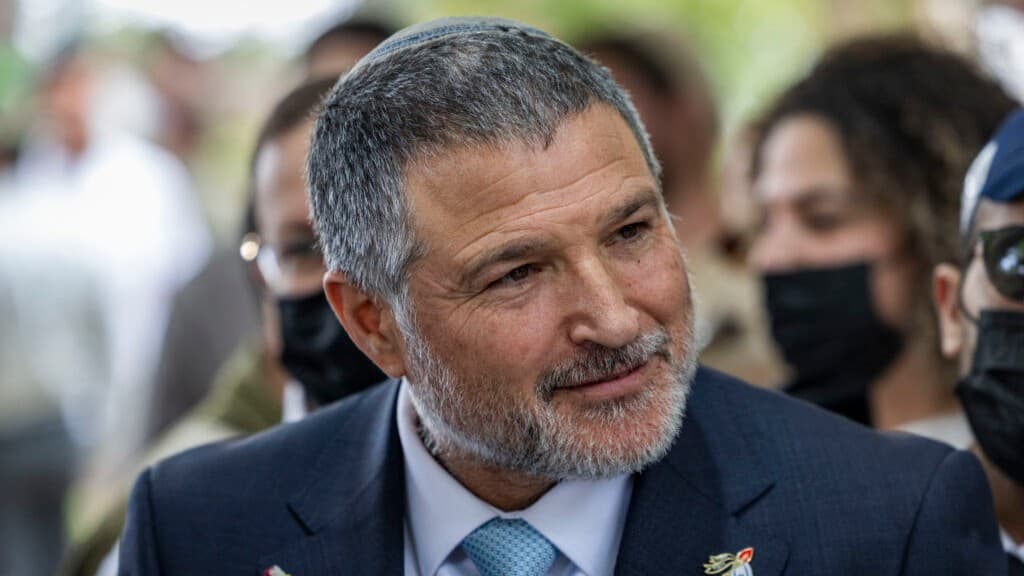
Shin Bet chief David Zini vowed Thursday that Israel will continue pursuing the October 7 attackers wherever they hide. Speaking at a ceremony honoring outstanding Shin Bet employees at the President’s Residence, Zini addressed those who planned, carried out or assisted the Hamas massacre. He said neither distance nor time would protect those responsible.
“There is no place in the world that is too far, there is no forgiveness, and there is no expiration date,” Zini said. He pledged that Israel would continue pursuing every participant, whether in tunnels, hidden headquarters or elsewhere around the world. President Isaac Herzog and Prime Minister Benjamin Netanyahu also attended the ceremony.
Deuteronomy 25:17 commands Israel to “remember what Amalek did unto thee” on the road from Egypt. The verse joins memory with responsibility. For a nation attacked through deliberate mass murder, remembrance is not only about preserving the names of the dead. It also means refusing to allow those who planned such violence to believe that time will erase accountability.
October 7 Attackers Remain a Shin Bet Priority
Zini’s remarks place long-term accountability at the center of the Shin Bet’s mission. He described the pursuit as a duty to Israel and to humanity, making clear that the agency does not view October 7 as a closed chapter. The message also extends beyond senior Hamas leaders to those who helped plan or execute the attack.
The security establishment continues to target Hamas infrastructure beyond Gaza. Earlier this month, Israeli forces said they dismantled a Hamas cell in the village of Aqaba in northern Samaria. Shin Bet intelligence guided the operation, which involved the IDF and the police’s Yamam counterterrorism unit.
That operation, detailed in “Hamas Cell in Aqaba Thwarted, Rocket Found,” led to the arrest of ten alleged Hamas operatives. Forces also found a rocket without a launcher, an M16 rifle and large quantities of explosives. Israeli authorities said the cell had been working to advance attacks against Israeli civilians.
The two stories reflect different parts of the same security doctrine. One focuses on reaching those responsible for past mass murder. The other focuses on disrupting new terrorist infrastructure before another attack can take shape.
A Message Beyond Israel’s Borders
Zini’s statement also carries significance for the United States. Washington has spent decades pursuing those responsible for attacks against Americans, including al-Qaeda leaders tied to September 11. Israel’s declaration follows a similar principle: planners of mass-casualty terrorism should not assume that geography or the passage of time provides immunity.
That does not remove the importance of intelligence, law or coordination with allies. Operations beyond Israel’s borders can carry diplomatic consequences and require careful judgment. Zini’s statement instead sets out the strategic objective: those responsible for October 7 remain targets of Israeli security efforts regardless of how long the pursuit takes.
The principle also matters in the broader fight against Iran-backed terrorism. Hamas has received financial, military and political support from Tehran for years. The United States and Israel therefore share an interest in disrupting networks that allow terrorist organizations to plan, finance and execute attacks across borders.
Memory, Justice and National Responsibility
Israel and the United States share a covenantal tradition that treats justice as an obligation rather than a temporary reaction to tragedy. Both societies place value on remembering the murdered, protecting future generations and holding those responsible for deliberate attacks on civilians accountable. National strength serves that purpose when it prevents terror from becoming consequence-free.
For Israel, October 7 made that responsibility intensely personal. Communities were invaded, civilians were murdered and hostages were dragged into Gaza. The Shin Bet’s pursuit of the October 7 attackers is therefore tied both to national defense and to the promise that those crimes will not simply disappear into history.
The Aqaba operation shows the forward-looking side of that same mission. Security agencies must pursue those responsible for past atrocities while identifying cells preparing future violence. Justice and prevention become part of one continuous responsibility.
Zini’s message was deliberately simple: there is no expiration date. Israel intends to remember, investigate and pursue those it holds responsible for the massacre until the last participant is reached.
For more stories on Israel, faith, and the values behind the headlines, follow Sinai on Facebook and Instagram.
Discussion0
No comments yet — be the first to share your thoughts.