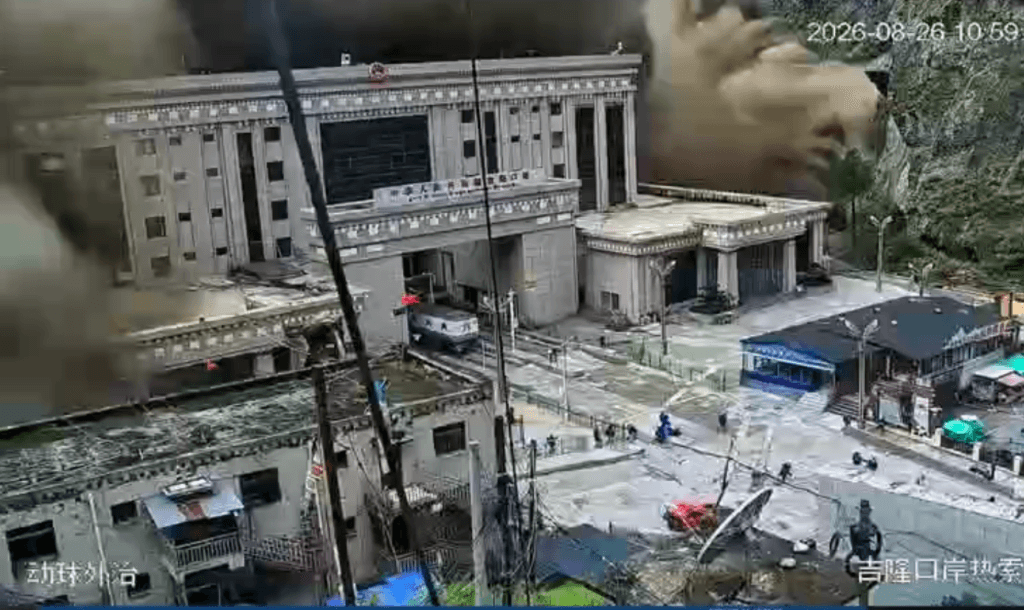
Nepal-China Floods: Death Toll Reaches 734
The Nepal-China floods have killed at least 734 people in Nepal, with nearly 2,500 still missing as rescue teams search devastated mountain communities

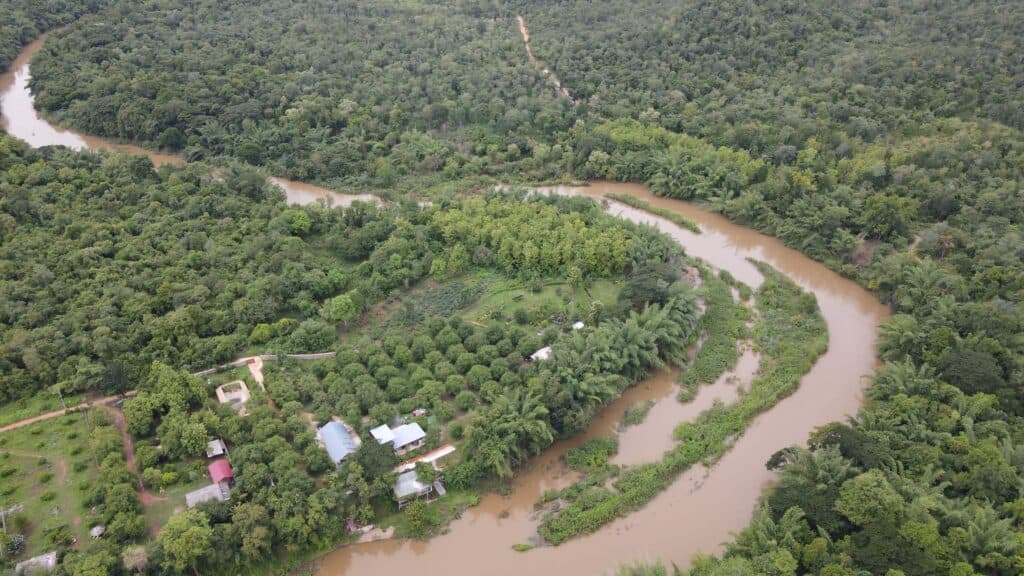
The Nepal-China floods have claimed at least 734 lives in Nepal, while nearly 2,500 people remain missing, according to the latest government figures. Nepal’s disaster authority said 2,498 people were still unaccounted for as search and rescue operations continued Sunday. Among the missing are 589 foreign nationals and hundreds of workers from hydroelectric projects.
The scale of the disaster brings particular weight to Psalm 82:4: “Rescue the weak and needy; deliver them from the hand of the wicked.” Although written in a different context, the command to rescue those in danger speaks directly to the human responsibility now unfolding across the Himalayas. Thousands of rescuers are searching rivers, mountain valleys, damaged infrastructure, and tunnels in hopes of finding survivors.
Nepal-China Floods Leave Thousands Missing
The catastrophe began Wednesday after a glacier collapse sent ice, rock, mud, and debris through the mountainous border region. The torrent swept through communities and damaged roads, bridges, homes, and power infrastructure. Nepal has mobilized about 19,000 security personnel and 16 helicopters for rescue and relief operations. More than 8,000 people have been rescued, according to the government.
Hydroelectric facilities remain a major focus of the search. Government and local reports say more than 900 hydropower workers are still missing. Rescue teams have also been trying to reach people believed trapped inside damaged tunnels. Nepal has requested specialized international help for tunnel rescues, forensic identification, and other difficult recovery work.
The disaster has also struck the Chinese side of the border. Chinese authorities reported 16 deaths and 546 missing in Tibet’s Gyirong County. Combined figures therefore put the regional death toll at least at 750. However, Nepal’s own confirmed toll remained 734 in its latest official update.
A Disaster Growing by the Day
The new figures mark a dramatic worsening since “Nepal-Tibet Flood Leaves Hundreds Missing,” when the scale of the disaster was still emerging. Rescue teams are now dealing with damaged roads, rising rivers, unstable terrain, and the possibility of renewed flooding. Authorities have warned that casualty figures may continue to change as search teams reach previously inaccessible areas.

The international response has also expanded. The United States pledged emergency assistance, while Israeli humanitarian organizations have deployed personnel to Nepal. IsraAID sent an emergency team focused on relief, mental health support, and protection for affected communities. NATAN Worldwide Disaster Relief also dispatched Israeli medical and mental health professionals.
Those efforts give the tragedy a direct connection to both American and Israeli traditions of responding beyond their own borders when human life is at risk. The immediate mission is neither political nor strategic. It is to find the missing, care for survivors, and help communities endure a disaster whose full scale is still becoming clear.
The Covenant to Preserve Life
America and Israel have distinct histories, but both carry covenantal traditions that place human dignity, responsibility, and the protection of life before God at the center of national purpose. Those principles become visible not only in war or national defense, but also when strangers face catastrophe far from home.
American humanitarian assistance and Israeli rescue work reflect a similar conviction: strength creates an obligation to help those who cannot save themselves. For Israel, that instinct is deeply connected to the Jewish command to preserve life and act with responsibility toward others. America’s national tradition likewise treats liberty and prosperity as carrying duties beyond self-interest.
The Nepal-China floods have already taken hundreds of lives. With thousands still missing, every rescue team, helicopter, medical worker, and relief convoy now carries the same urgent purpose: save whoever can still be saved.
For more stories on Israel, faith, and the values behind the headlines, follow Sinai on Facebook and Instagram.
Discussion0
No comments yet — be the first to share your thoughts.