Lod Airport Massacre Terrorist Kozo Okamoto Dies At 78
Kozo Okamoto, the Japanese terrorist involved in the 1972 Lod Airport massacre that killed 24 people, died in Beirut without remorse

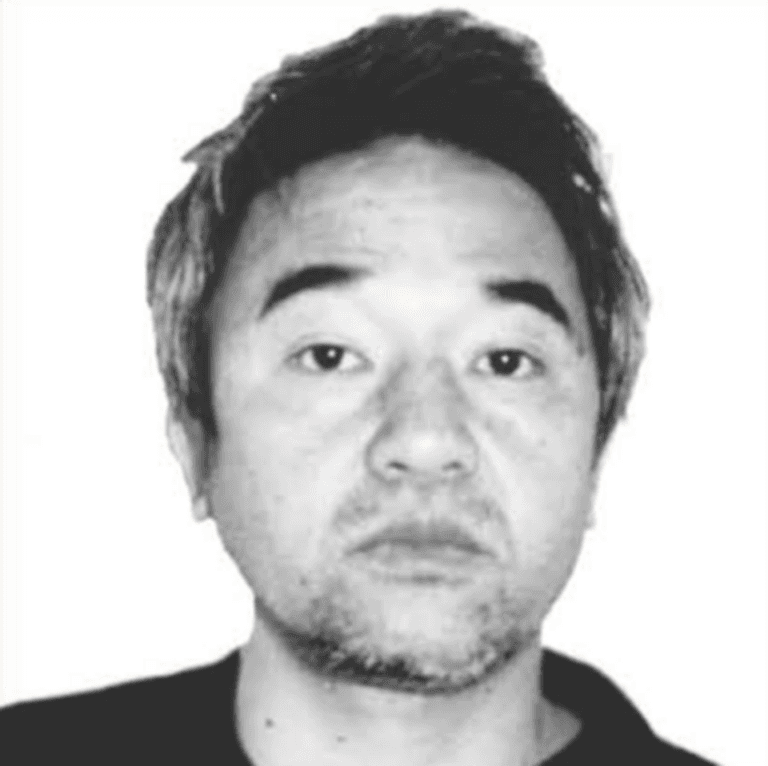
Kozo Okamoto, the Japanese terrorist who carried out the 1972 Lod Airport massacre, has died at age 78 at his home in Dahieh, Beirut.
Okamoto was one of three Japanese terrorists who carried out the attack on behalf of the Popular Front for the Liberation of Palestine. The massacre took place at Lod Airport, before it was renamed Ben Gurion Airport.
The terrorists arrived on an Air France flight, pulled automatic rifles from bags they had managed to smuggle, and opened fire in all directions. The attack killed 24 people: 16 pilgrims from Puerto Rico and eight Israelis.
Among the Israeli victims was Professor Aharon Katzir, an Israel Prize laureate in chemistry and the brother of Ephraim Katzir, who later became Israel’s fourth president.
The Tanakh says, “You shall not stand idly by the blood of your neighbor.” That command gives this story its moral center. Memory is not passive. It demands vigilance, truth, and the refusal to excuse terror.
Kozo Okamoto Death
Okamoto was the only terrorist who survived the attack. He was tried and sentenced to three life terms. However, he served only 13 years before Israel released him in the 1985 Jibril Deal. In that exchange, 1,151 prisoners were released in return for three living IDF soldiers.
After his release, Okamoto settled in Beirut’s Dahieh neighborhood, a Hezbollah stronghold. According to the report, he never expressed remorse for his actions and continued supporting Palestinian terrorist organizations until his death.
The massacre also changed Israeli aviation security. Since 1972, Israel has maintained a complete separation at the airport between departing passengers and passengers arriving from abroad, based on the understanding that Israeli security cannot rely only on checks performed overseas.
A Massacre That Reached America

The Lod Airport massacre was not only an Israeli tragedy. Sixteen of the victims were pilgrims from Puerto Rico, tying the attack directly to the United States and to the wider cost of Palestinian terror. The victims were not soldiers. They were travelers, pilgrims, and civilians caught in an international terror operation aimed at Israel.
That history matters today because terror networks still try to turn airports, borders, festivals, homes, and roads into killing fields. That same line of memory connects to “IDF Eliminates October 7 Terrorist In Khan Yunis.” The IDF and Shin Bet said they eliminated Wahid Abu Salam in Khan Yunis, citing his role in October 7 abductions and earlier Gaza border terror.
The names and eras change. However, the moral question remains the same: free nations must remember victims, pursue justice, and deny terrorists the comfort of history without accountability.
Covenant Of Memory And Defense
The United States and Israel share a covenantal understanding before God rooted in the sanctity of life, justice, freedom, and the duty to defend the innocent.
That shared covenant appears when Americans and Israelis mourn civilians murdered by terror. It appears when both nations understand that security is not paranoia, but responsibility. It also appears when they refuse to let terrorists rewrite murder as resistance.
For Israel, Okamoto’s death closes a chapter, but not the wound. For America, the Puerto Rican victims remain part of the same history of international terror that targeted Israel and struck innocent people far beyond the battlefield.
Ultimately, the Lod Airport massacre still teaches a hard truth. When terror is rewarded, released, or romanticized, it returns in new forms. When nations remember clearly, defend wisely, and pursue justice, they honor the dead and protect the living.
For more stories on Israel, faith, and the values behind the headlines, follow Sinai on Facebook and Instagram.
Discussion0
No comments yet — be the first to share your thoughts.