Iran’s Top Commander in Syria Admits “An Unprecedented Collapse”
In a rare and candid admission, a senior Iranian general overseeing operations in Syria acknowledged his country’s severe defeat in the war-torn nation, criticizing both Iran’s strategy and its ally, Russia.

“A Very Severe Defeat”
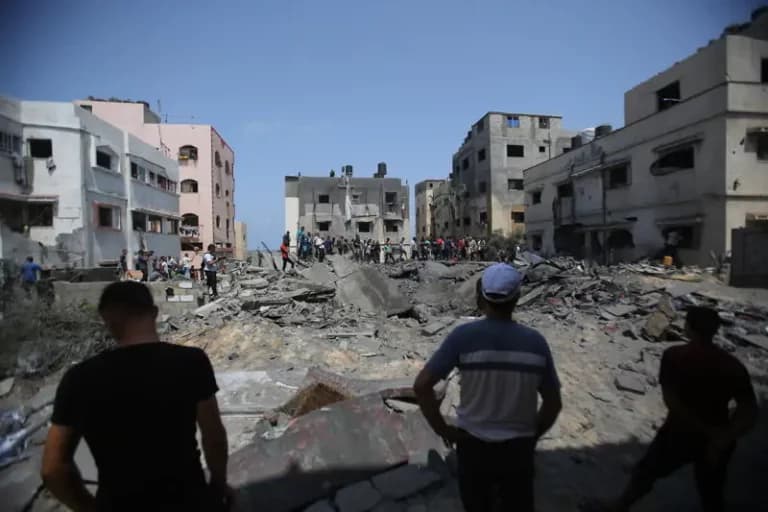
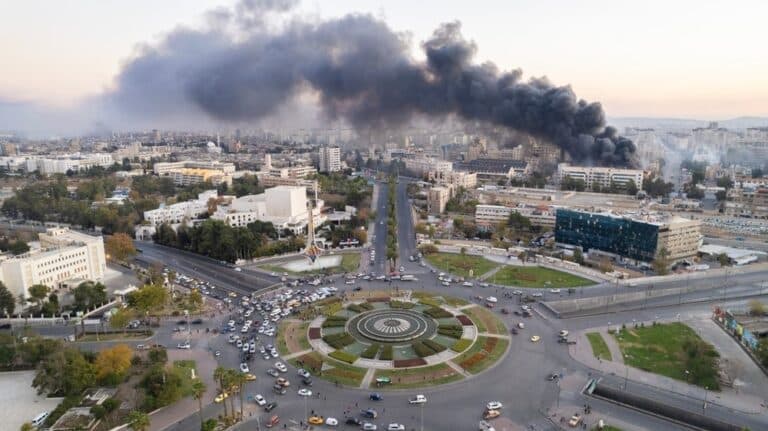
Speaking at a mosque in Tehran, General Behrouz Asbati, a senior Iranian military leader, candidly admitted, “The defeat in Syria is not something to be proud of.” Asbati, a key coordinator of Iran’s military operations in Syria, described the loss as a “very severe defeat” in maintaining regional influence—an acknowledgment that starkly contrasts with Tehran’s typical efforts to downplay its strategic failures.
Tensions Between Iran, Assad, and Russia
General Asbati revealed growing tensions between Iran, Syria’s President Bashar al-Assad, and Russia. Assad reportedly rejected Iranian-backed plans to launch attacks on Israel from Syrian territory, fearing the collapse of his regime under rebel pressure. Asbati recounted the chaos during the fall of Damascus, where he fled on the last Iranian flight out of the city.

“The Situation Doesn’t Allow for Another Attack on Israel”
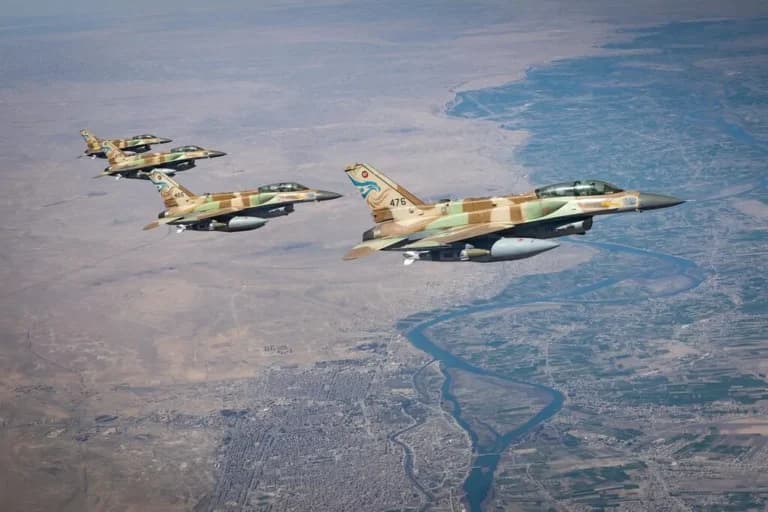
Asbati admitted that Iran’s current position does not allow for additional strikes against Israel. He acknowledged Israel’s military superiority in neutralizing Iranian threats and highlighted the challenges Iran faces in maintaining its regional ambitions.
Criticism of Russia
Asbati leveled harsh criticism at Russia, accusing Moscow of deceit during joint operations in Syria. He alleged that Russian forces deliberately bombed empty areas instead of rebel targets and failed to protect Iranian assets during Israeli airstrikes, even claiming that Russian forces turned off radar systems to allow Israeli attacks to proceed unchallenged.
Systemic Failures and Iran’s Limited Options
Asbati attributed Assad’s downfall to widespread corruption, political repression, severe economic hardship, and inadequate basic services, including fuel and electricity shortages. He criticized Assad for ignoring repeated Iranian warnings to implement significant reforms.
Additionally, Asbati confirmed that Iran refrains from targeting U.S. forces in the region due to the overwhelming retaliation such actions would provoke. He added that Iran’s conventional missiles lack the capability to penetrate advanced U.S. defense systems.
Israel’s Strategic Advantage
Asbati admitted that Iran’s current position does not allow for additional strikes against Israel. He acknowledged Israel’s military superiority in neutralizing Iranian threats and highlighted the challenges Iran faces in maintaining its regional ambitions.
The collapse of Syria and the weakening of Iran’s military capability are clear manifestations of God’s sovereignty and power at work in the region.
“He brings down rulers from their thrones but lifts up the humble.” – 1 Samuel 2:7-8
Discussion0
No comments yet — be the first to share your thoughts.