Iran Warns U.S. Blockade Will Expand War
Iran’s Khatam al-Anbiya Headquarters warned that any American blockade would expand the war, deepening concerns over Hormuz, U.S. deterrence, and Israel’s security

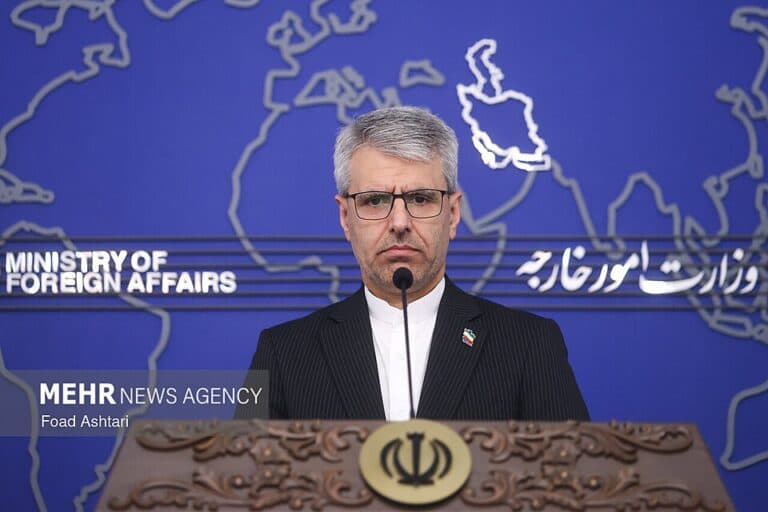
Iran blockade warning rhetoric escalated again after the Iranian Khatam al-Anbiya Headquarters warned the United States that any attempt to impose a blockade on Iran would lead to an expansion of the war.
The statement comes as tensions around the Strait of Hormuz continue to rise. Iran has already claimed authority over transit routes in the strait, while the United States has signaled that it may take stronger steps to stop Iranian maritime pressure.
The warning is short, but significant. Tehran is trying to frame any American blockade as an act that would justify widening the conflict. That message targets Washington, but it also reaches Israel, Gulf states, Europe, and every country that depends on open maritime routes.
The Tanakh says, “You shall not move your neighbor’s boundary.” That verse fits this moment because Iran is trying to turn borders, sea lanes, and passage rights into instruments of pressure. A stable region cannot allow one regime to decide who may move, trade, or defend itself.
Iran Blockade Warning
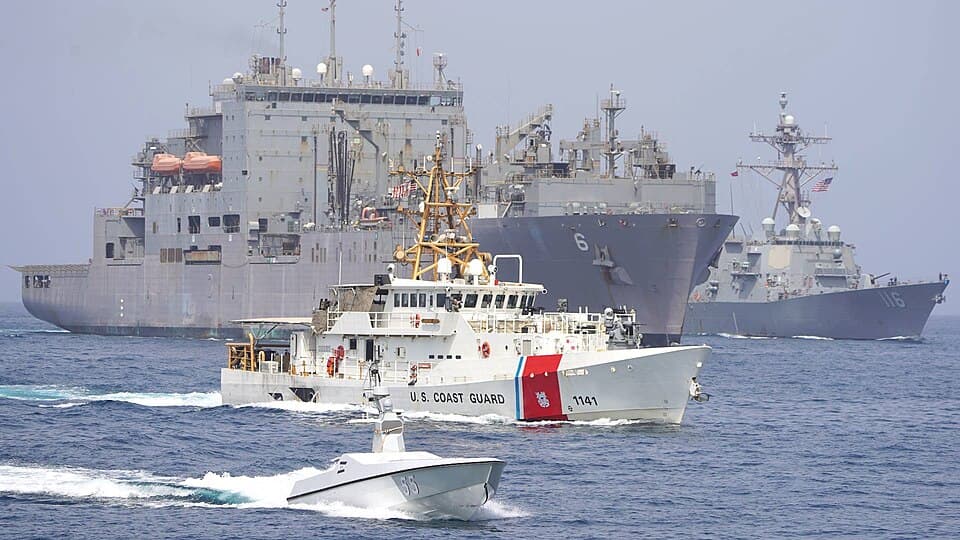
For the United States, the warning raises the stakes of any maritime campaign against Iran. A blockade would represent a major escalation. It would pressure Tehran’s economy, energy exports, and regional maneuvering. However, Iran’s response shows that the regime may try to answer at sea, through proxies, or against American partners.
That is why the message matters beyond one military statement. Iran wants the United States to believe that pressure will produce chaos. It wants allies to fear cooperation with Washington. It also wants shipping markets to treat every American move as a possible trigger for wider war.
For Israel, the warning confirms a familiar pattern. Iran does not separate military pressure from regional intimidation. Tehran uses Hezbollah, Hamas, the Houthis, Iraqi militias, maritime threats, and diplomatic warnings as parts of one strategy.
Hormuz And Maritime Control
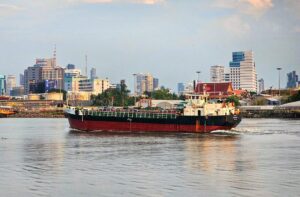
This issue connects directly to “Iran Blocks Ships On Omani Route In Hormuz.” Iran claimed it turned back ships using the southern Omani route in Hormuz, raising new concerns for U.S. deterrence, Israel, and maritime security.
Together, the two developments show the current shape of the crisis. Iran is warning against an American blockade while also claiming control over shipping routes near Hormuz. That contradiction is central. Tehran objects to pressure on its own movement, yet it tries to restrict the movement of others.
For Washington, that creates a clear deterrence problem. If Iran can block ships, redirect vessels, or threaten passage without consequences, it gains leverage over global energy and allied security.
For Jerusalem, the same problem affects the wider Iranian axis. A stronger Iran at sea means a more confident Iran on land. That confidence can flow to Hezbollah in Lebanon, Hamas in Gaza, and other forces aligned with Tehran.
A Covenant Of Open Roads And Protection
The United States and Israel share a covenantal understanding before God rooted in freedom, protection of life, lawful order, and resistance to tyranny.
That shared covenant appears when America defends open seas and refuses to let hostile regimes turn international routes into hostage zones. It appears when Israel defends its people against the same Iranian system that funds terror and threatens regional order.
America has a responsibility to keep vital routes open and protect its forces. Israel has a responsibility to prevent Iran from gaining strategic freedom to surround the Jewish state. Both nations understand that peace requires more than words. It requires the strength to stop coercion before it becomes the new normal.
Iran’s warning does not prove that war will expand. However, it shows how Tehran wants to shape the next phase. The regime wants every American move to look dangerous, while its own actions in Hormuz appear routine.
Ultimately, the United States and Israel face the same test: whether Iranian threats will define the region’s rules. If Tehran can control passage and punish pressure, it will grow bolder. If America, Israel, and their partners hold firm, maritime freedom can remain stronger than Iranian intimidation.
For more stories on Israel, faith, and the values behind the headlines, follow Sinai on Facebook and Instagram.
Discussion0
No comments yet — be the first to share your thoughts.