Iran Says Hormuz Will Stay Closed Until Tehran Decides
Iran said it is close to an understanding with Oman on managing Hormuz, but warned the strait will remain closed until Tehran decides otherwise

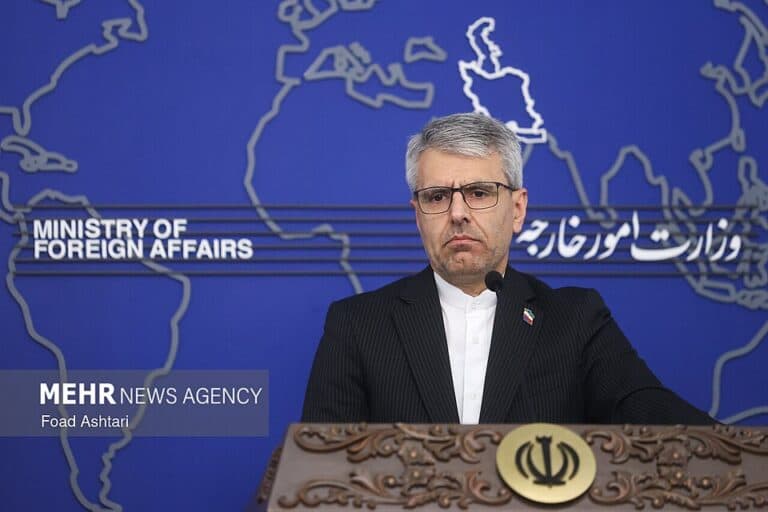
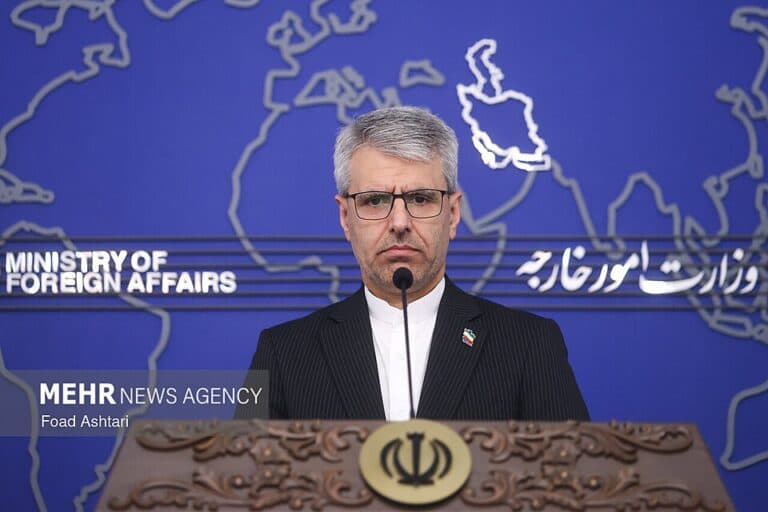
Iran’s Hormuz closure remains in force, according to Iranian Foreign Ministry Spokesman Esmail Baghaei, who said Tehran is close to an understanding with Oman on managing the Strait of Hormuz.
Baghaei said Iran is nearing an understanding with Oman regarding the management of the strait. However, he stressed that any understanding does not mean the route will reopen.
“Reaching an understanding does not mean the Strait will be opened,” Baghaei said. “It will remain closed until we deem it appropriate.” He also claimed Iran did not request anything from the United States. According to Baqaei, President Trump backed down because of Iran’s military strength.
“If the U.S. dares to commit a foolish act of aggression, our crushing response will affect the entire region,” he warned. While the Tanakh warns , “The wicked flee when no one pursues, but the righteous are bold as a lion.” That verse gives this moment a useful frame. Regimes often project confidence when they want to hide pressure. The real test is not the slogan, but the balance of power it reveals.
Iran’s Hormuz Closure Threat
For the United States, Baghaei’s statement creates a direct challenge. Iran is not only talking about negotiations with Oman. It is also claiming that the Strait of Hormuz will remain closed until Tehran chooses otherwise. That is a major escalation in language because it frames a global maritime route as something Iran can open or close at will.
Washington now faces a familiar deterrence problem. If Iran can threaten maritime movement without consequences, it may use the same pressure again in future nuclear talks, military crises, or proxy escalations.
For Israel, the statement also matters. The Strait of Hormuz is not on Israel’s border, but Iranian confidence in one arena affects the whole regional map. When Tehran pressures shipping routes, it also strengthens the image of Iranian reach from the Gulf to Lebanon, Gaza, Yemen, Iraq, and Syria.
From Fars To Baqaei

This issue connects directly to “Iran Denies Deal To End Strait Of Hormuz Closure.” Iran’s Fars News Agency denied reports of a deal to reopen the Strait of Hormuz, saying vessels need Revolutionary Guards approval to pass.
Baghaei’s remarks now reinforce that same message from the diplomatic side. Fars presented the matter through Iranian sources tied to nuclear negotiations and military channels. Baqaei framed it publicly through the Foreign Ministry. Together, the two statements suggest a coordinated Iranian line: Hormuz remains closed, talks may continue, and Tehran wants control over any future movement.
For the United States, maritime security is central to regional credibility. For Israel, the question is broader: can Iran use geography, proxies, and threats to pressure free nations into accepting its terms?
Covenant Of Free Passage And Strength
The United States and Israel share a covenantal understanding before God rooted in freedom, lawful order, protection of life, and resistance to coercion.
America’s covenantal tradition emphasizes liberty under God, secure commerce, and the duty to defend allies from intimidation. Israel’s covenant is ancient and unique, rooted in the God of Israel, Torah, Jewish peoplehood, and the return to the land.
America cannot allow Iran to turn a global waterway into a Revolutionary Guards checkpoint. Israel cannot ignore the same regime when it uses maritime pressure, missile threats, terror proxies, and nuclear bargaining as parts of one strategy.
Baghaei’s threat that a U.S. “act of aggression” would affect the entire region is meant to intimidate Washington and its allies. However, it also confirms the central danger. Iran wants every confrontation to carry regional costs. Ultimately, the Hormuz crisis remains a test of will. If Tehran decides when ships move, Iran gains leverage over the region. If America and its allies restore deterrence, Iran’s threats become harder to sustain.
For Israel, that outcome matters deeply. A weaker Iranian pressure campaign means a safer regional environment and less confidence for the terror network surrounding the Jewish state.
For more stories on Israel, faith, and the values behind the headlines, follow Sinai on Facebook and Instagram.
Discussion0
No comments yet — be the first to share your thoughts.