Houthi Attacks on Saudi Arabia: 3 Major Targets Claimed
The Houthis claim missile and drone attacks on Riyadh airport and Aramco facilities as Saudi Arabia confirms damage at a Dhahran site
Sinai Desk
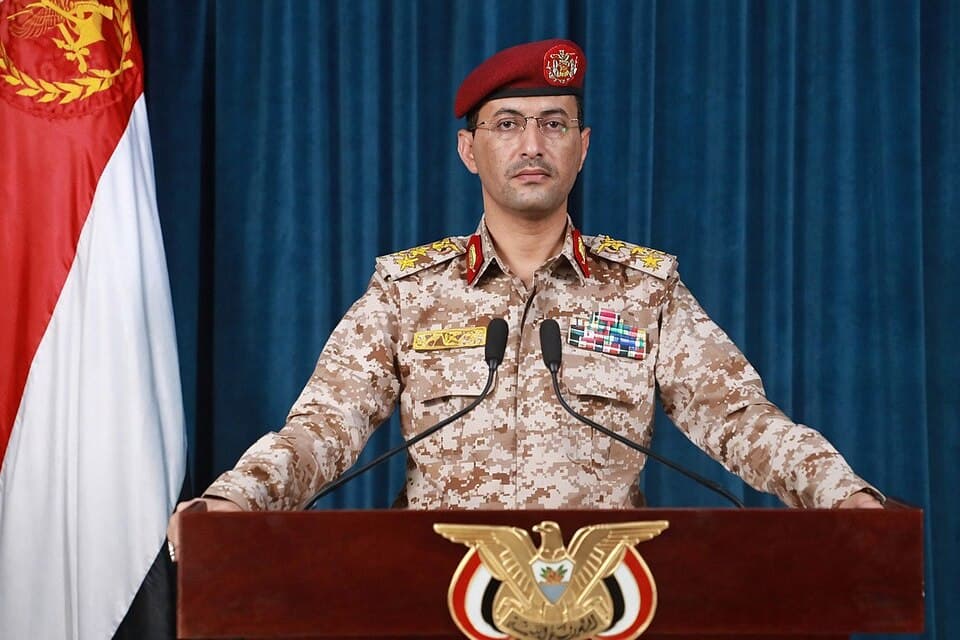
Houthi attacks on Saudi Arabia expanded again Wednesday as the Iran-backed group claimed strikes against three previously announced targets. Military spokesman Yahya Saree said Houthi forces targeted Saudi Aramco facilities and Riyadh’s King Khalid International Airport. The claims came amid a rapidly escalating exchange between the Houthis and the Saudi-led coalition.
Saree said the operation targeted the Aramco company in Dhahran, King Khalid International Airport, and an Aramco refinery in Riyadh. He claimed the Houthis used numerous ballistic missiles, cruise missiles and unmanned aerial vehicles. According to his statement, the strikes were precise and caused destruction and fires at the targeted sites.
Saudi authorities have independently confirmed an attack on an Aramco administrative building in Dhahran. The Saudi Energy Ministry said the strike caused a limited fire but no injuries. Saudi forces also reported intercepting several missiles and drones aimed at Riyadh and the Eastern Province.
Psalm 120:7 declares, “I am for peace: but when I speak, they are for war.” The verse captures the danger of a regional conflict in which civilian airports, energy infrastructure and commercial routes increasingly sit inside the battlespace.
Houthi Attacks on Saudi Arabia Target Key Infrastructure
The latest Houthi claims follow threats issued a day earlier against the same three locations. Saree warned workers and civilians to stay away from Saudi oil facilities and identified King Khalid International Airport and Aramco sites as potential targets. The warning came after the Saudi-led coalition ordered civilians away from an oil facility in Houthi-controlled Sanaa ahead of an airstrike.
Saudi forces later struck the Sanaa facility and additional Houthi-controlled oil infrastructure. Riyadh said the sites supported Houthi missile and drone operations. The Houthis then threatened what Saree described as a harsh response against the Saudi capital.
The Dhahran strike shows that at least part of that threat reached Saudi infrastructure. However, Saudi authorities have not confirmed every Houthi claim about Wednesday’s operation. The coalition has instead emphasized interceptions of ballistic missiles, cruise missiles and drones across several regions.
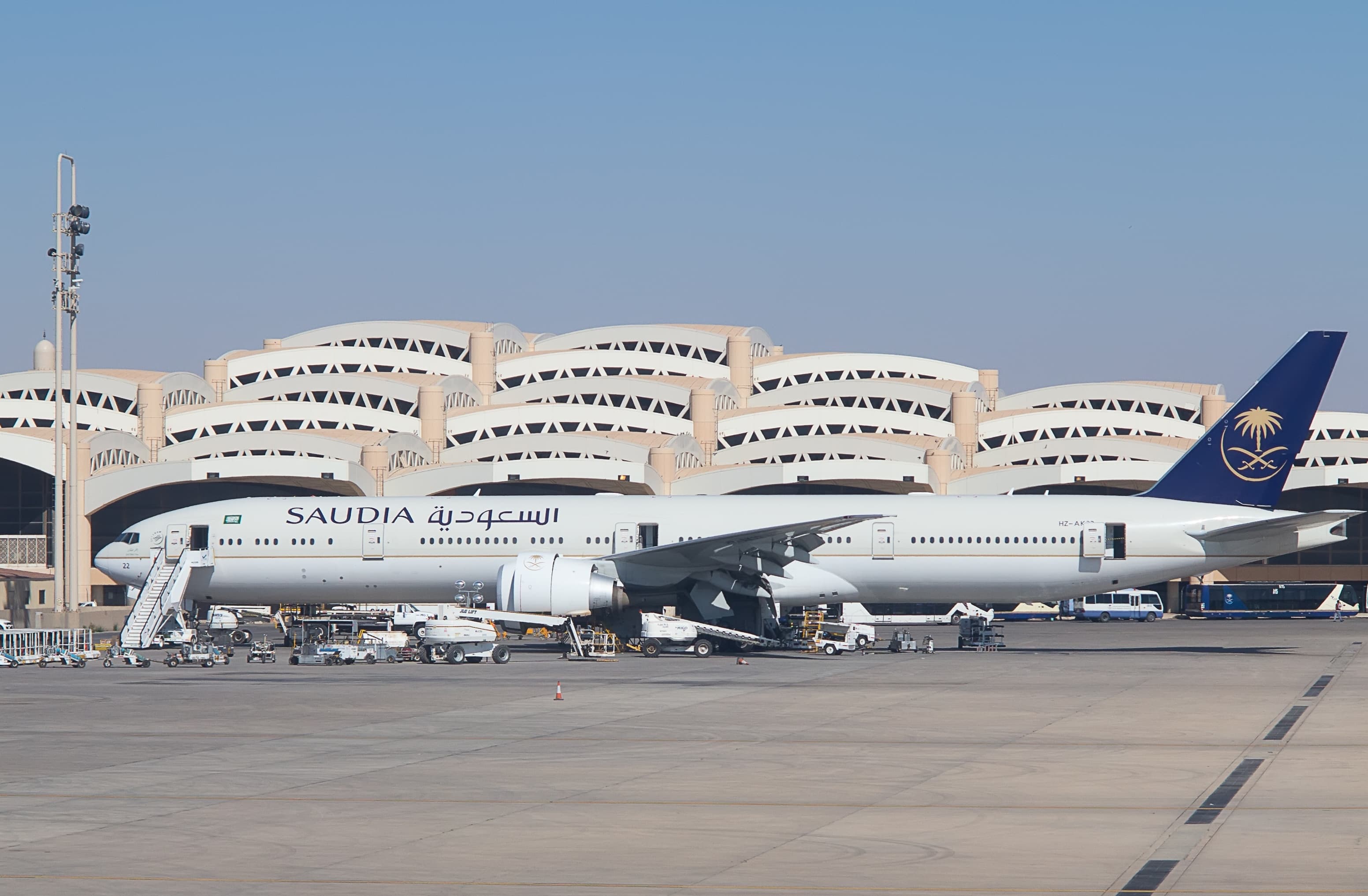
King Khalid International Airport has already suffered deadly attacks during the current escalation. A recent Houthi assault killed at least 13 people and wounded more than 300, while another attack followed the next day. The violence forced widespread flight suspensions and exposed vulnerabilities around one of the kingdom’s most important civilian transportation hubs.
That escalation follows the disruption detailed in “Riyadh Airport Closure Extended to October 17.” The airport’s continuing shutdown has already affected international airlines, business travel and Saudi Arabia’s efforts to present Riyadh as a secure global hub.
Oil, Aviation and the Wider Iran-Backed Threat
The targeting of Aramco adds another layer to the crisis. Saudi Arabia remains central to global energy markets, which means attacks on its oil infrastructure can carry consequences far beyond the kingdom. Saudi stocks fell Wednesday after the Dhahran attack, while Aramco shares also declined.
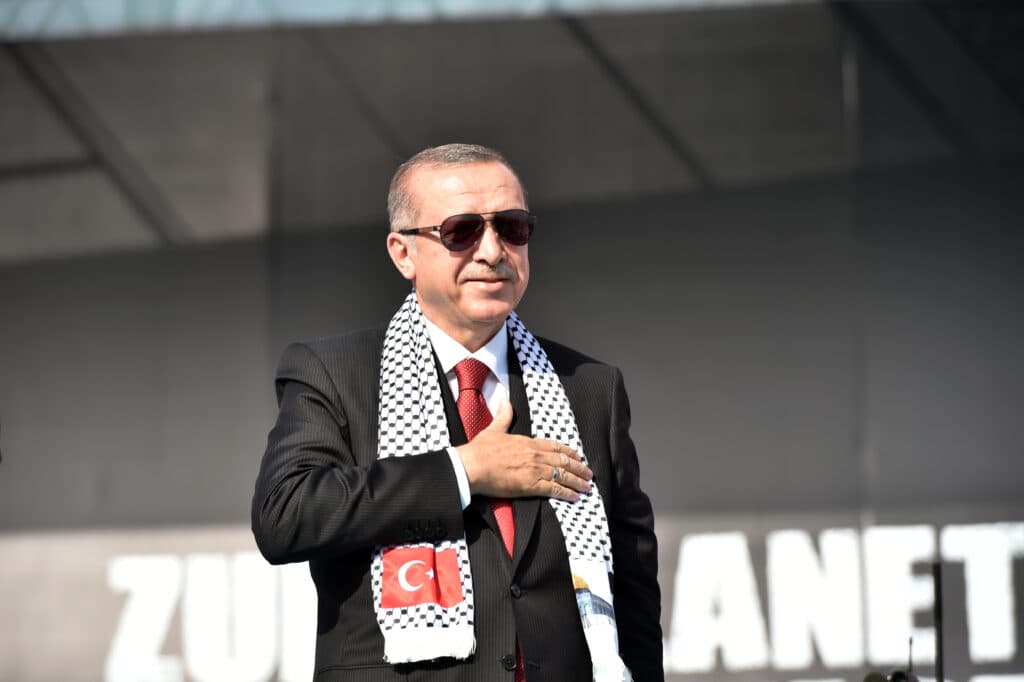
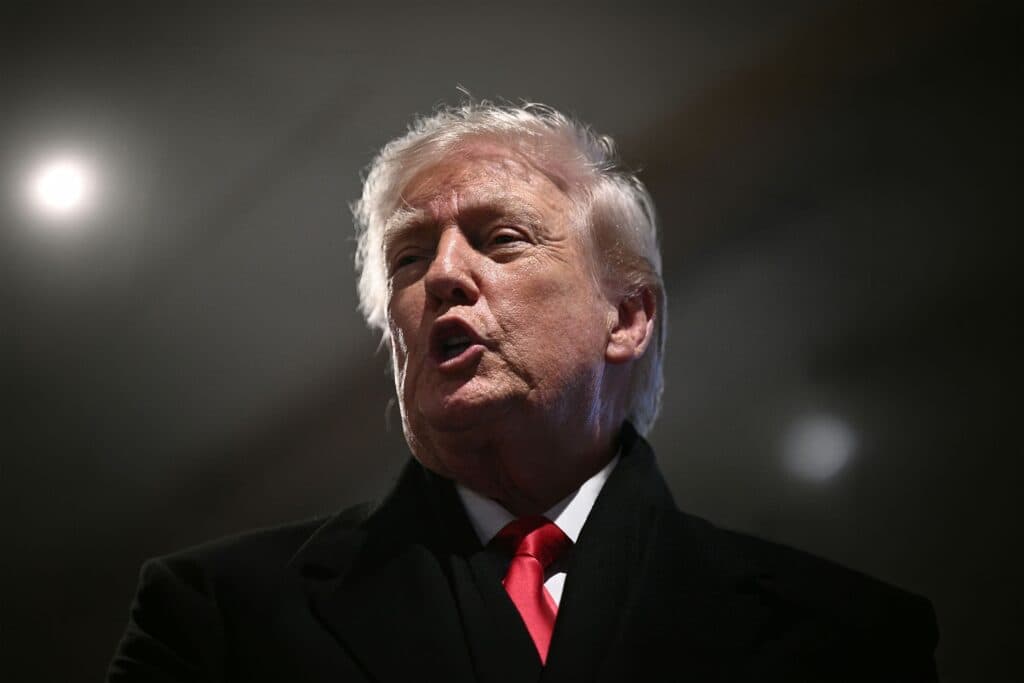
President Donald Trump has accused the Houthis of trying to push oil prices higher and said the group was “behaving very badly.” He also tied the latest escalation to Iran and suggested that he could seek Turkish help in supporting Saudi interests. The Houthis have long received Iranian support and remain part of the wider regional confrontation surrounding Tehran.
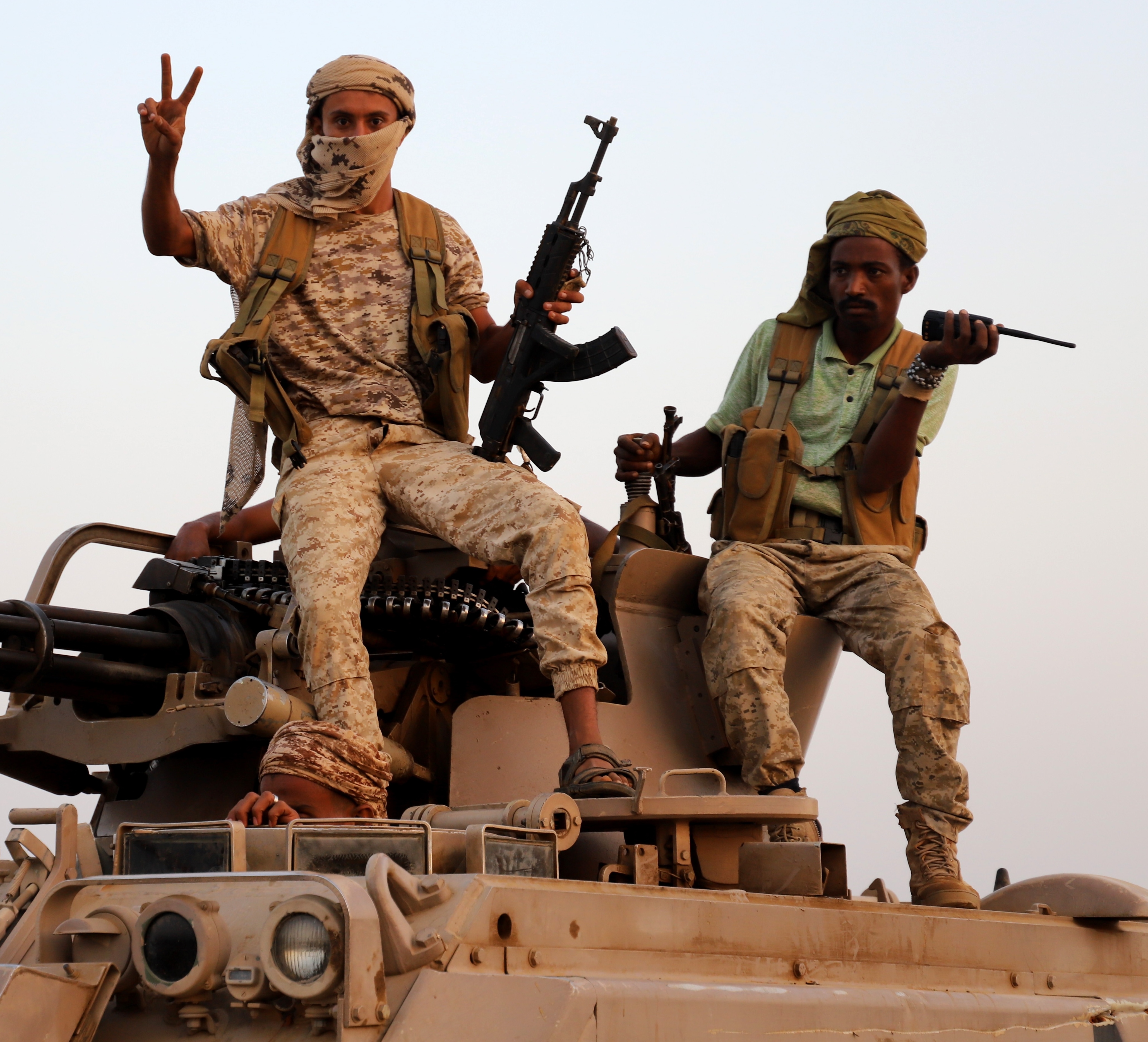
The attacks matter to Israel because Houthi missile and drone capabilities do not threaten Saudi Arabia alone. The group has developed increasingly sophisticated long-range weapons and has gained experience challenging Israeli and regional air defenses. AP reported that Houthi forces have refined tactics involving drones, ballistic missiles and cruise missiles designed to strain advanced defensive systems.
Washington also has a major stake in preventing Saudi airports, oil infrastructure and Red Sea shipping lanes from becoming permanent targets. The United States depends on regional stability for energy markets, maritime security and the protection of allies. Houthi attacks around Bab al-Mandeb have already compounded pressure created by the wider confrontation with Iran.
The Houthis’ expanding target list therefore links several fronts that once appeared separate. Saudi airports affect civilian aviation. Aramco facilities affect energy markets. Houthi control near Bab al-Mandeb affects international shipping, while Iran’s broader strategy places pressure on American and Israeli interests across the region.
Defending the Region’s Civilian Lifelines
Israel’s covenantal mission before God includes protecting Jewish life and maintaining the strength needed to resist forces that seek to attack civilians. The growing Houthi missile threat demonstrates why regional defense cannot stop at national borders. Israel’s security increasingly intersects with the ability of neighboring states to withstand Iranian-backed missile and drone warfare.
America carries a separate covenantal responsibility rooted in liberty, ordered government and the defense of allies. Protecting open trade routes and civilian infrastructure supports that mission. A missile strike against an airport or energy facility can destabilize economies and endanger ordinary people far beyond the immediate battlefield.
The latest Houthi statement celebrates what the group describes as precise strikes. Saudi reporting presents a more mixed picture, including interceptions, limited damage and continuing civilian risk. What is clear is that the conflict is spreading deeper into infrastructure that supports everyday life across the Gulf.
The struggle is no longer confined to remote battlefields in Yemen. Airports, oil facilities, shipping lanes and major cities now form part of the same regional confrontation, raising the stakes for Saudi Arabia, Israel, the United States and the global economy.
For more stories on Israel, faith, and the values behind the headlines, follow Sinai on Facebook and Instagram.
Discussion0
No comments yet — be the first to share your thoughts.