Iran Advisor Threatens Escalation: “Zero Hour Has Arrived”
Ali Akbar Velayati warned that “zero hour has arrived,” tying Hezbollah to Iran’s resistance axis and threatening strategic maritime pressure

Ali Akbar Velayati Advisor to Iran’s Supreme Leader, issued a direct threat after the IDF strikes in Beirut. He warned that “zero hour has arrived” and said launchers are preparing to fire.
His statement placed Hezbollah inside Iran’s wider regional strategy. It also turned the escalation in Lebanon into a direct warning from Tehran’s camp.
“Zero Hour Has Arrived”
“The grave mistake that was made in Beirut has exhausted the limits of patience,” Velayati said. “The order has already been given. Zero hour has arrived, and the launchers are preparing to fire.”
The language left little room for ambiguity. Velayati did not call for calm. Instead, he signaled escalation and framed Hezbollah as part of Iran’s so-called resistance axis.
For Israel, that threat fits a familiar pattern. Hezbollah attacks from Lebanon. Iran backs the terror network. Then Israeli civilians face the consequences of Tehran’s proxy war.
Hezbollah And Iran
Velayati described Hezbollah as “flesh of the flesh of the resistance axis.” Therefore, he made clear that Tehran sees the Lebanese terrorist organization as part of its regional project.
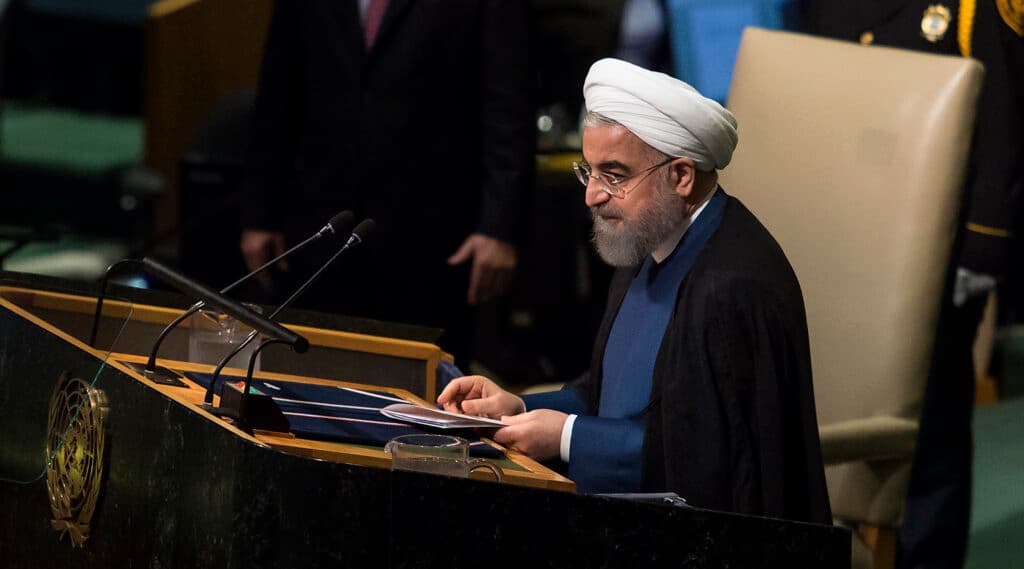
That matters for both Israel and the United States. Iran presents itself on international stages, including the United Nations, while its proxy network threatens Israel, U.S. interests, and regional stability.
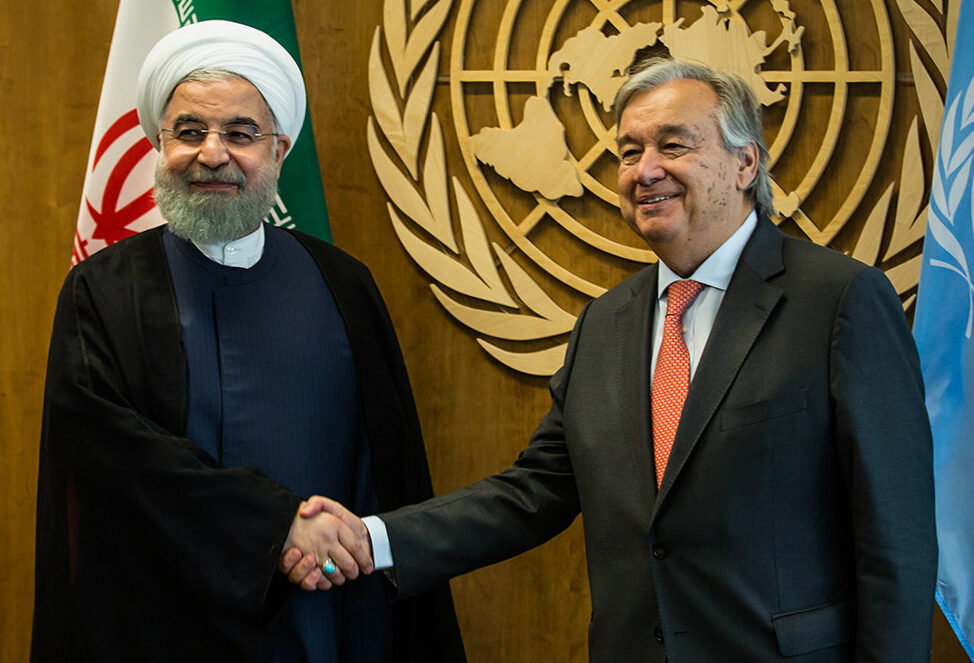
Hezbollah is not only a Lebanese militia. It is an Iranian-backed terror army positioned on Israel’s northern border.
Meanwhile, Hezbollah continues to threaten Israeli communities from inside Lebanon. Its declared hostility toward the Jewish state remains central to its identity and mission.
Maritime Chokepoints Threatened
Velayati also threatened two strategic waterways: the Strait of Hormuz and the Bab al-Mandeb Strait.
“If the fire of aggression in Lebanon does not subside,” he warned, those routes would tighten their grip on the enemy’s “economy’s lifelines” until “strategic strangulation.”
The message reached far beyond Israel. Hormuz and Bab al-Mandeb are critical routes for global energy and trade. As a result, Iran’s threat also targets the wider global economy.
Ultimately, Velayati’s statement showed the logic of Iran’s regional strategy. Tehran uses Hezbollah on land and maritime pressure at sea. Israel’s duty remains clear: defend its citizens, protect its sovereignty, and reject Iranian intimidation.
Discussion0
No comments yet — be the first to share your thoughts.