Gaza Kite Launches Draw Hamas Mockery And Israeli Warning
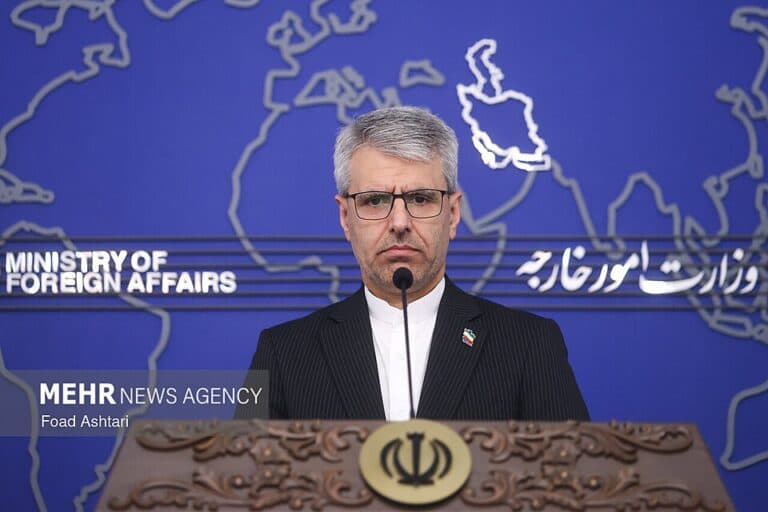
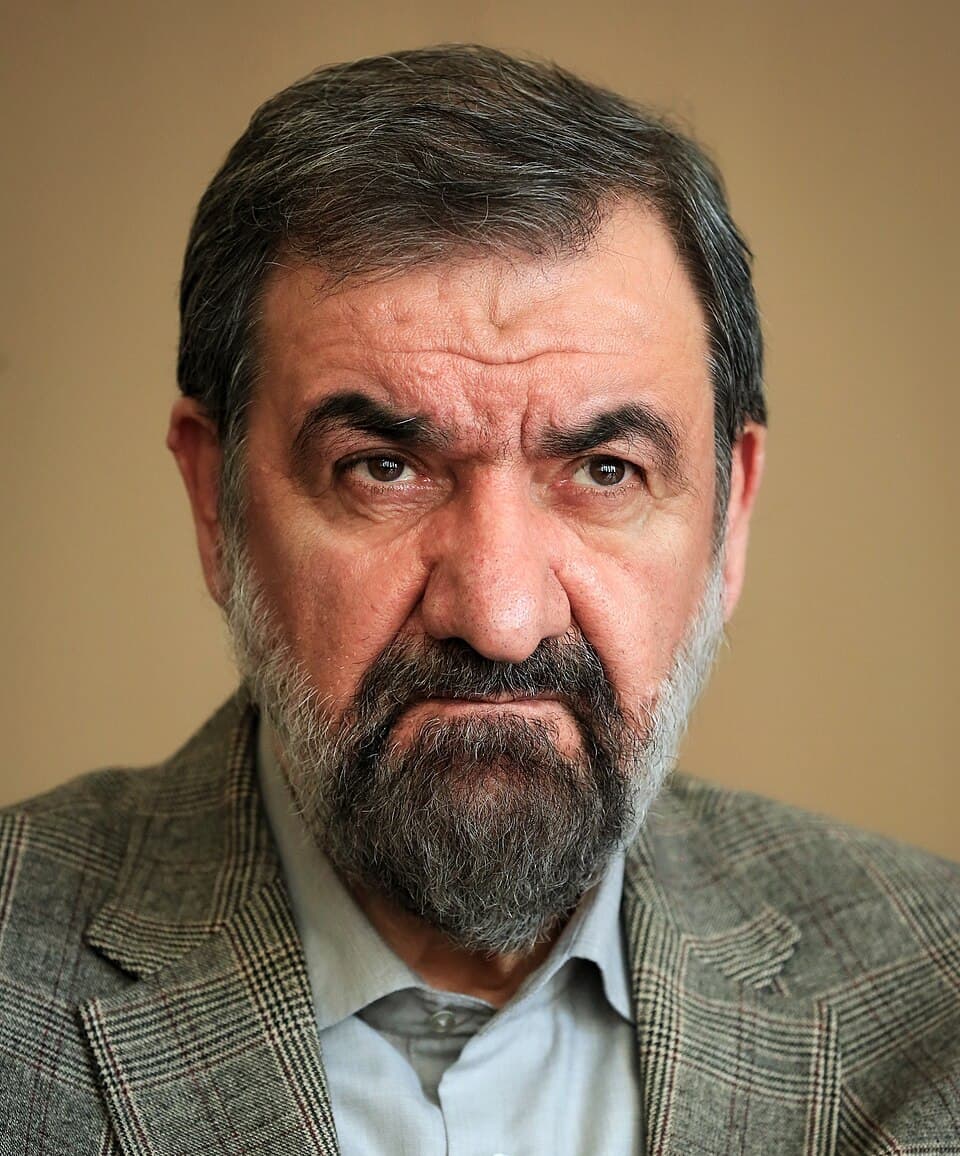
Hamas official Basem Naim mocked Israel’s warning over Gaza kite launches, while Israel says it will not return to the pre-October 7 border reality

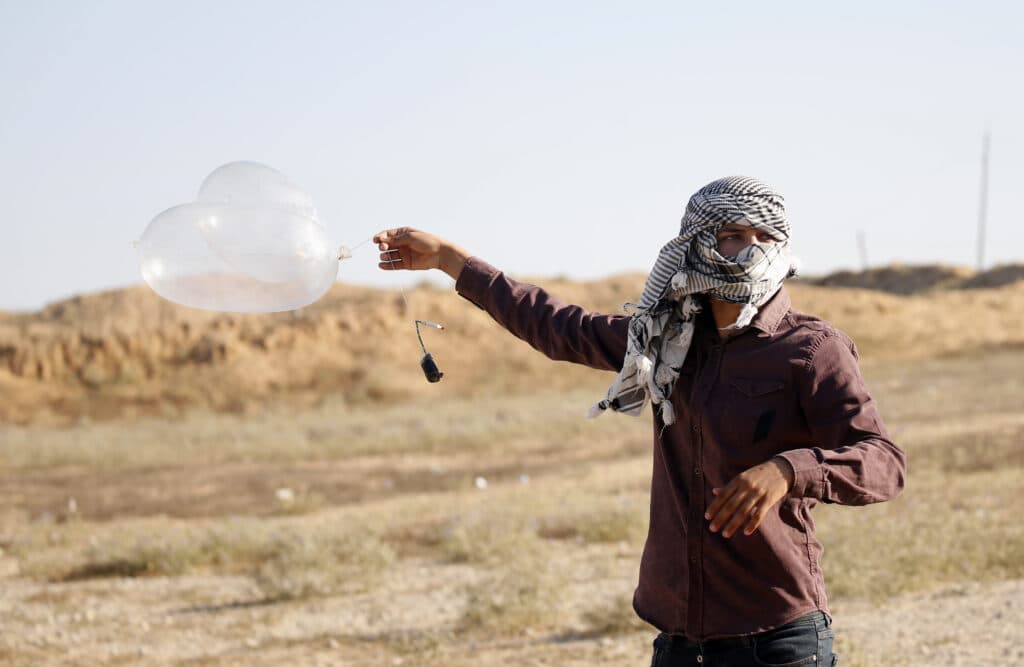
Gaza kite launches drew a new response from Hamas after Israel warned that it would escalate action if drones, balloons, and kites continue crossing from the Gaza Strip toward Israel.
Basem Naim, a member of Hamas’ Political Bureau, claimed Israel gave Hamas a three-day ultimatum to stop launching incendiary kites. Otherwise, he said, Israel would launch a large-scale aerial attack.
Naim mocked the Israeli warning and accused Israel of overreacting. He described what he called a “surreal paradox,” saying a nuclear state was mobilizing large forces against kites launched from Gaza by children “searching among the ruins for their lost innocence.”
Leviticus warns, “Thou shalt not stand against the blood of thy neighbor.” That command speaks to responsibility before harm becomes irreversible. It applies to Israeli families living near the Gaza border. It also speaks to Gaza’s children, who should not become symbols or tools inside a war zone.
Gaza Kite Launches
The debate in Gaza has not focused only on the launches themselves. According to the report, many in Gaza do not understand why Israel is making such a serious issue out of a few kites that reached the home front.
Some reactions centered on pity for Gaza’s children and the childhood they have lost during war. Others mocked Israel and its soldiers, portraying them as frightened by Gazan kites.
That framing may resonate emotionally inside Gaza, where civilians have endured severe hardship and destruction. Innocent Palestinians, especially children, deserve compassion and protection from war.
However, Israel’s concern does not come from imagination or the desire to create hardship. Before October 7, incendiary kites and balloons from Gaza burned fields, damaged Israeli communities, and created daily pressure on civilians near the border.
The problem is not the shape of the object. The problem is the use of civilian-looking objects as tools of intimidation, arson, or battlefield testing.
Children, Mockery And Security
Israelis near Gaza remember how earlier waves began. What first looked symbolic later became organized harassment and fire attacks against farms, forests, and homes.
That history explains why Israeli officials are treating even simple kites seriously. A kite can carry nothing. It can also carry fire, explosives, surveillance equipment, or a message that Hamas is testing Israel’s red lines.
The warning also follows “Gaza Launches Warning: Netanyahu And Katz Warn Escalation.” That article reported that Prime Minister Benjamin Netanyahu and Defense Minister Israel Katz said Israel would intensify action against drone, balloon, and kite launches from Gaza.
Netanyahu said Israel will not return to the reality that existed before October 7. Katz has framed the launches as part of the same security problem, whether they involve balloons, kites, or drones.
This is where the civilian issue becomes painful. Gaza’s children should not lose their childhood among ruins. Yet Hamas also should not use that suffering to dismiss threats toward Israeli civilians. A serious moral position must hold both truths at once.
Covenant Duty At The Border
The United States and Israel carry separate covenantal missions before God, and both missions reject the normalization of terror against civilians. America’s responsibility is to support an order where armed groups cannot hide behind children, propaganda, or humanitarian language while rebuilding pressure on allies. Israel’s responsibility is more immediate: protect Jewish homes, fields, schools, and border communities from threats before they become disasters.
That duty does not erase concern for Gaza’s innocent civilians. It makes Hamas’ role more condemnable. A terror organization that rules by force, rejects disarmament, and then frames launch activity through the image of children is not protecting those children. It is placing them inside its political theater.
Israel should act with care. It should distinguish between terrorists, civilians, and children wherever possible. But care cannot mean accepting a return to the pre-October 7 pattern of slow, normalized border attacks.
The question is not whether a kite looks small. The question is whether Israel will allow Hamas to rebuild fear one object at a time.
For more stories on Israel, faith, and the values behind the headlines, follow Sinai on Facebook and Instagram.
Discussion0
No comments yet — be the first to share your thoughts.