Erdoğan Heads To Saudi Arabia Amid Defense Alliance Reports
Erdoğan is expected to visit Saudi Arabia for meetings with Mohammed bin Salman and Pakistan’s prime minister amid reports of Turkish interest in a Saudi-Pakistani defense alliance

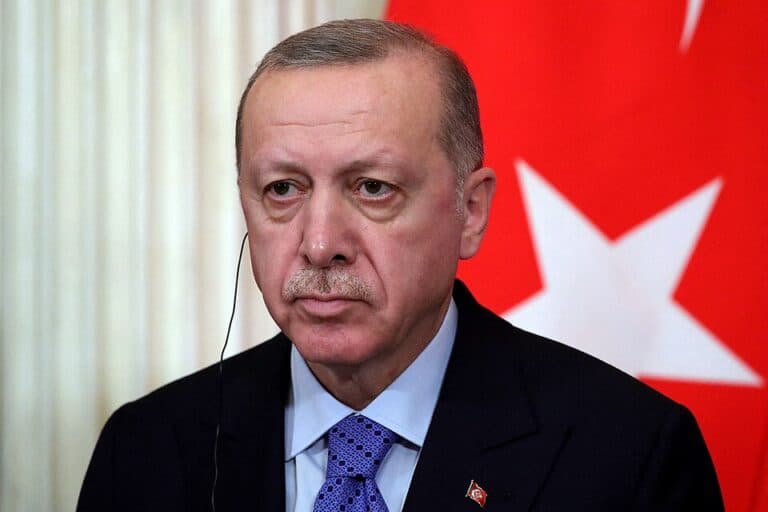
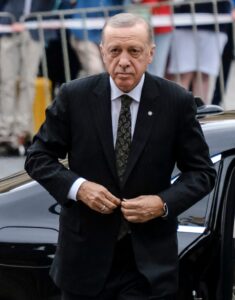
Erdoğan Saudi visit plans are drawing regional attention as Turkish President Recep Tayyip Erdoğan is expected to depart for a one-day trip to Saudi Arabia.
During the visit, Erdoğan is expected to meet Saudi Crown Prince Mohammed bin Salman. He is also expected to meet Pakistan’s Prime Minister Shehbaz, who is already in Saudi Arabia.
Turkish sources are attaching major importance to the visit. According to the report, the trip comes against the backdrop of talks with Iran and reports of Turkey’s desire to join the Saudi-Pakistani defense alliance.
The Tanakh says, “Plans are established by counsel.” That verse gives this story its frame. Regional alliances are not symbolic. They shape deterrence, diplomacy, trade routes, and the balance of power around Israel and the United States.
Erdoğan Saudi Visit
For Turkey, the Saudi visit appears to be part of a wider effort to regain regional footing. Erdoğan is moving between Saudi Arabia, Pakistan, and Iran-related diplomacy at a sensitive time. A meeting with Mohammed bin Salman and Shehbaz could signal a broader Turkish attempt to enter or influence a new security framework.
The reported Turkish interest in the Saudi-Pakistani defense alliance matters because such a move would affect the regional map. Saudi Arabia carries major Gulf influence. Pakistan has military weight and nuclear status. Turkey brings NATO membership, defense industry capacity, and its own ambitions across the Middle East.
For the United States, that combination requires close attention. Washington wants regional stability, but it also needs to know whether new defense alignments strengthen American interests or create alternative blocs that complicate U.S. influence.
Turkey After Regional Setbacks
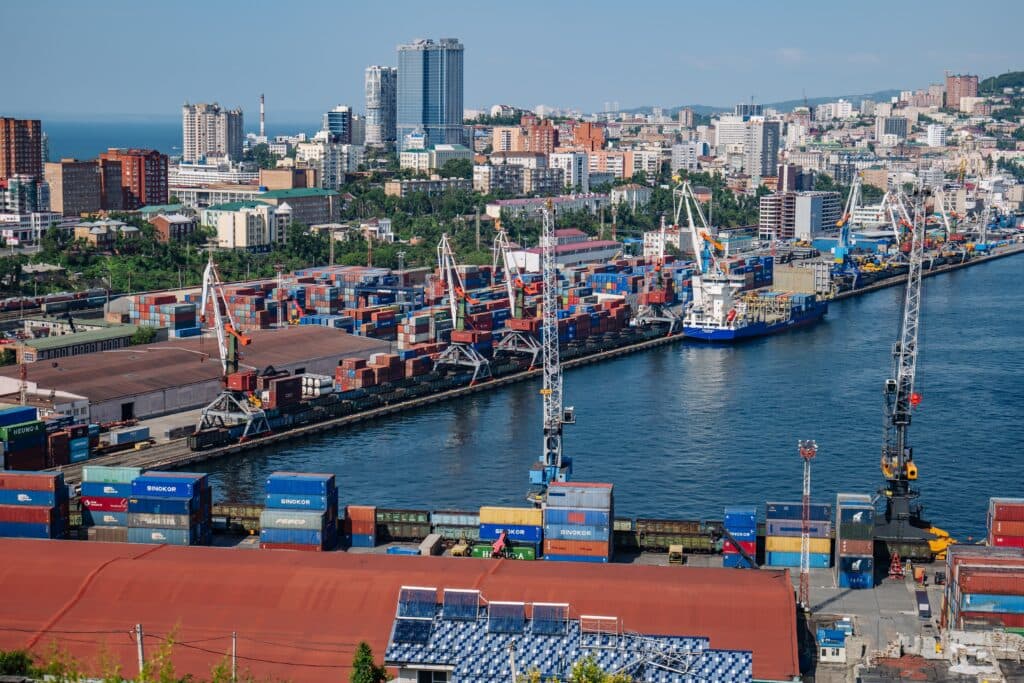
This development connects directly to “Turkey Hit On Three Fronts In One Day.” Turkey faced three separate regional setbacks involving a tanker in Hormuz, a Bayraktar Akıncı drone in Yemen, and a cargo ship near Odesa.
After those setbacks, Ankara may be trying to show that it still has diplomatic reach. A high-profile Saudi visit can help Turkey present itself as a central player rather than a country reacting to pressure across multiple fronts.
For Israel, the question is sharper. Turkey’s regional ambitions often intersect with arenas that matter directly to Israeli security: Syria, Gaza, Lebanon, Iran, and the eastern Mediterranean.
If Turkey moves closer to a Saudi-Pakistani defense framework, Jerusalem will need to assess whether that shift restrains Iran, empowers anti-Israel actors, or creates new pressure inside the Muslim world against Israel.
Covenant Of Strategic Discernment
The United States and Israel share a covenantal understanding before God rooted in ordered strength, defense of life, freedom, and the responsibility to read danger clearly.
America’s covenantal tradition emphasizes liberty under God, alliance leadership, and the defense of global stability. Israel’s covenant is ancient and unique, rooted in the God of Israel, Torah, Jewish peoplehood, sovereignty, and return to the land. The United States cannot assume every new regional alignment will support U.S. interests. Israel cannot assume that every shift involving Saudi Arabia, Pakistan, Turkey, and Iran will leave its security untouched.
Ultimately, the impact for Washington and Jerusalem depends on whether the visit strengthens a stable regional order or gives Turkey another platform to challenge Israel’s position. In a region shaped by Iran, Hezbollah, Hamas, and shifting alliances, every defense framework deserves careful scrutiny.
For more stories on Israel, faith, and the values behind the headlines, follow Sinai on Facebook and Instagram.
Discussion0
No comments yet — be the first to share your thoughts.