Turkey Hit On Three Fronts In One Day
Turkey faced three separate regional setbacks involving a tanker in Hormuz, a Bayraktar Akıncı drone in Yemen, and a cargo ship near Odesa

Turkey regional setbacks mounted today after three separate incidents hit Turkish-linked assets across the Strait of Hormuz, Yemen, and the Black Sea.
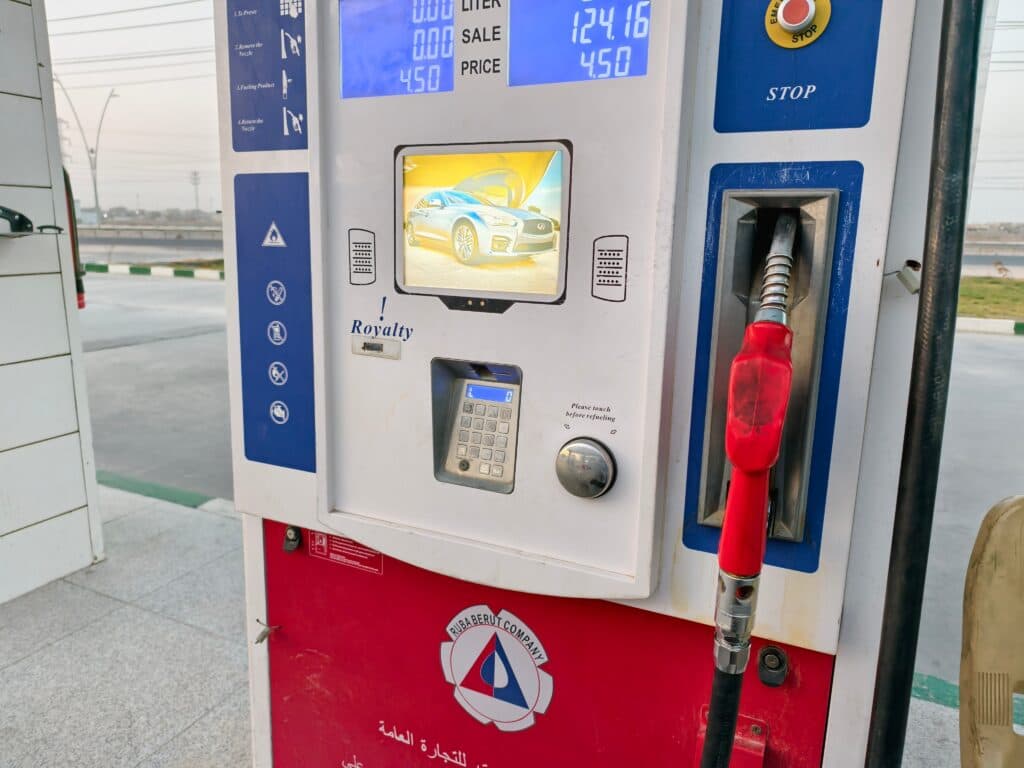
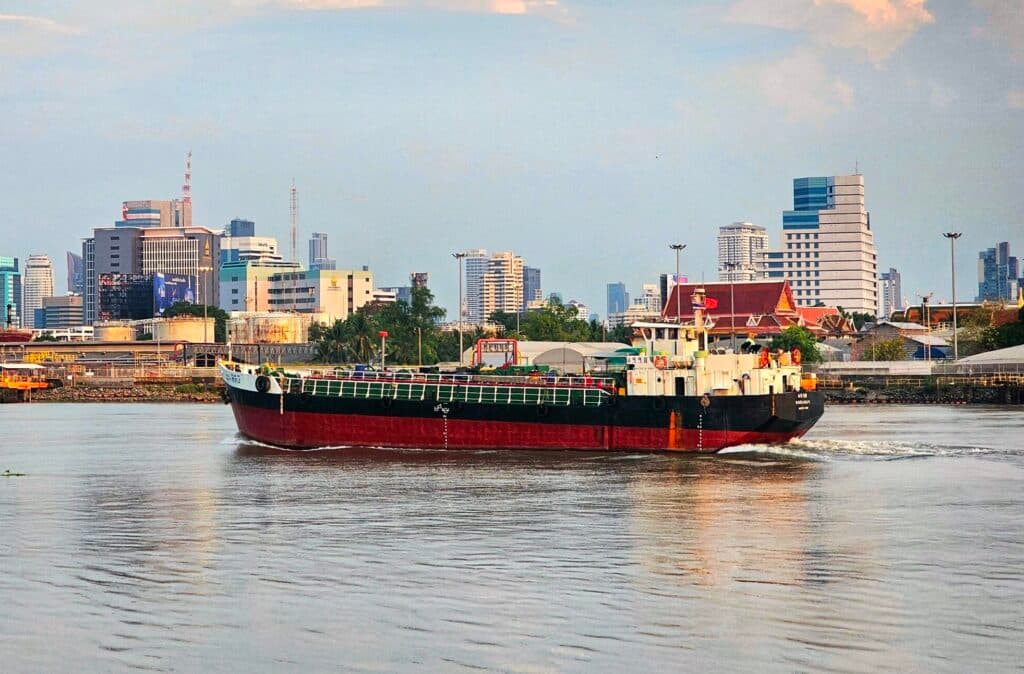
First, a Turkish-operated oil tanker was damaged in the Strait of Hormuz after reportedly striking what Iranian media described as a sea mine. Reports said the vessel had deviated from the transit route designated by Iranian authorities before the incident. An explosion and fire followed, but the crew survived.
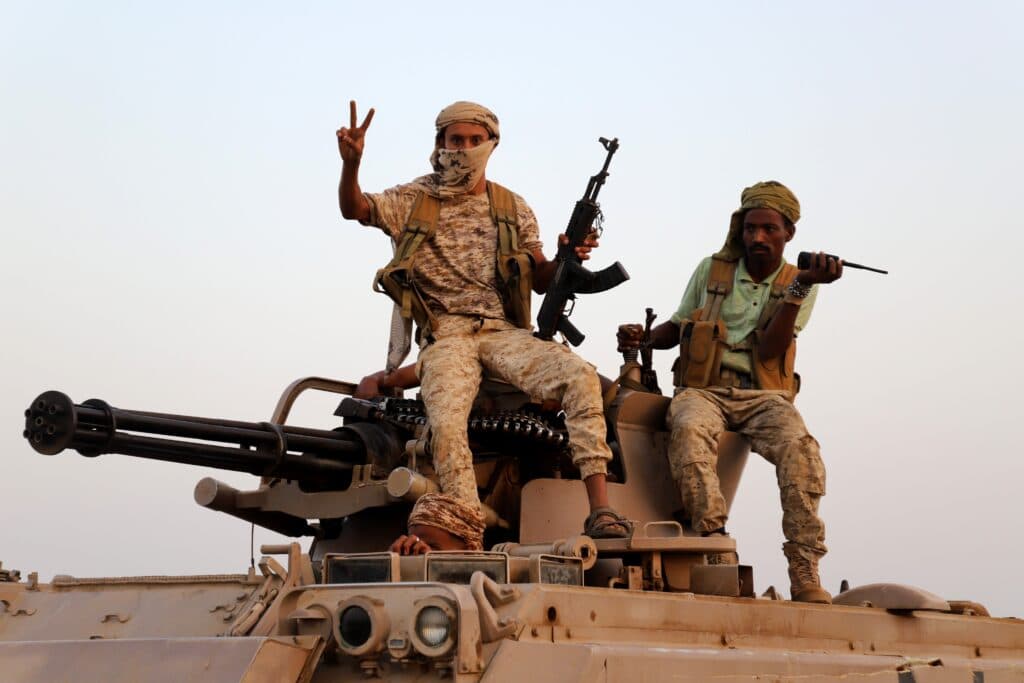
Second, Ansarallah said it shot down a Turkish-made Bayraktar Akıncı drone over Al Jawf Province in Yemen. Yemeni military spokesman Yahya Saree claimed Saudi Arabia operated the drone and used it for reconnaissance missions before interception.
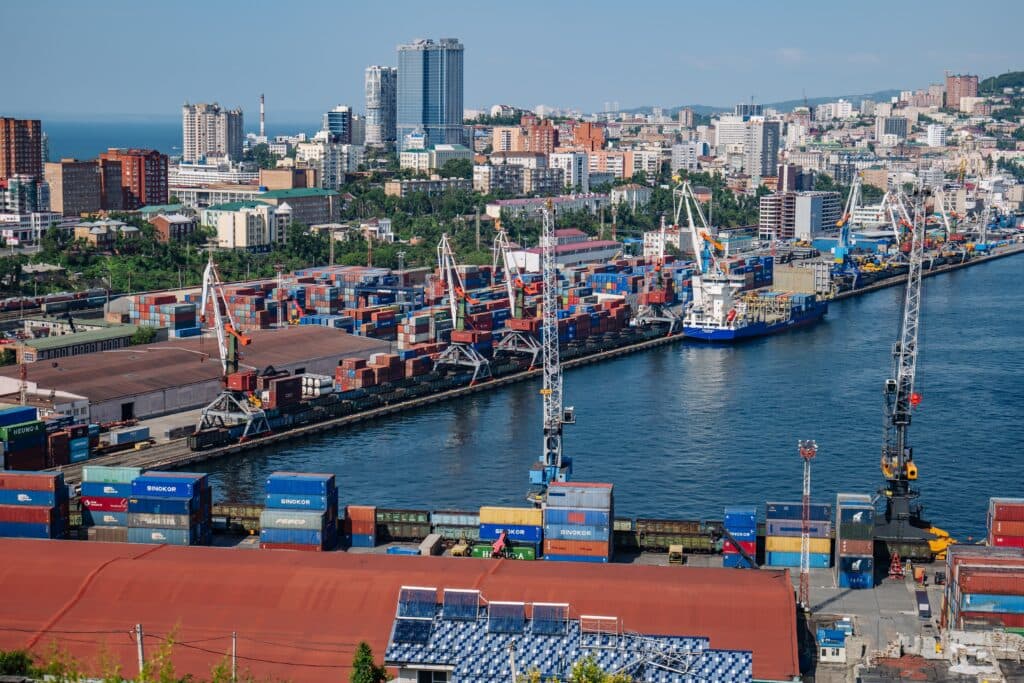
Third, a Turkish-owned bulk carrier, Golden Leo, sank after a strike while departing Odesa. The vessel sailed under the Guinea-Bissau flag. Ukrainian authorities said Russian missiles hit the ship, causing multiple crew fatalities. Russia has not publicly acknowledged responsibility.
The Tanakh says, “Pride goes before ruin, and a haughty spirit before stumbling.” That verse fits this moment because regional power does not rest on ambition alone. It depends on judgment, alliances, and the ability to avoid overextension.
Turkey Regional Setbacks
The incidents point to Turkey’s exposure across multiple theaters. In Hormuz, Turkish shipping faces the same mine, missile, and maritime risks affecting global trade. In Yemen, Turkish defense exports face direct battlefield pressure from Iran-backed forces. In the Black Sea, Turkish-owned commercial shipping faces the consequences of the Russia-Ukraine war.
For the United States, these setbacks matter because Turkey remains a NATO member with influence across the Mediterranean, Black Sea, Middle East, and Gulf. However, Ankara’s regional posture often creates complications for American strategy.
For Israel, Turkey’s position carries even sharper meaning. Under President Recep Tayyip Erdogan, Ankara has often spoken harshly against Israel while seeking influence across arenas that touch Israeli security: Syria, Gaza, the eastern Mediterranean, and the wider Islamic world.
Ankara’s Strategic Vulnerability

This issue connects directly to “Trump’s Former Intelligence Chief: Turkey Is Not America’s Ally.” Tulsi Gabbard warned that Erdogan’s Turkey is not America’s ally, arguing that U.S. policy toward Ankara could harm Israel, NATO, and regional security.
Turkey wants to project itself as a major regional power. Yet the same day brought pressure on its maritime interests, drone reputation, and commercial shipping. That does not mean Turkey is weak, but it does show how exposed Ankara has become across several unstable fronts.
For Washington, the lesson is caution. Turkey can support NATO interests in some contexts, but American policy cannot ignore Erdogan’s alignment choices, regional ambitions, and hostility toward Israel.
For Jerusalem, the lesson is also clear. Israel must judge Turkey by actions, not titles. A country can sit inside Western institutions while also empowering narratives and policies that undermine Israel’s security.
A Covenant Of Discernment And Defense
The United States and Israel share a covenantal understanding before God built around truth, defense of life, freedom, and the responsibility to stand against threats with clear eyes.
That shared covenant requires discernment. America must know which partners strengthen regional order and which ones complicate it. Israel must protect its sovereignty while watching every actor that seeks power around its borders.
The United States benefits when its alliances remain honest and strategically useful. Israel benefits when Washington recognizes that Turkey’s role cannot be treated as automatically friendly simply because Ankara belongs to NATO.
The Strait of Hormuz, Yemen, and the Black Sea may look like separate theaters. However, they all show the same truth: the region now punishes strategic confusion quickly.
Ultimately, Turkey’s difficult day raises a larger question for America and Israel. In a world shaped by drones, mines, missiles, and unstable alignments, allies must prove their reliability through conduct, not slogans.
For more stories on Israel, faith, and the values behind the headlines, follow Sinai on Facebook and Instagram.
Discussion0
No comments yet — be the first to share your thoughts.