Don’t Miss this Site: Ancient Shiloh and Its Significance for Today

By Ruthie Jaffe Lieberman
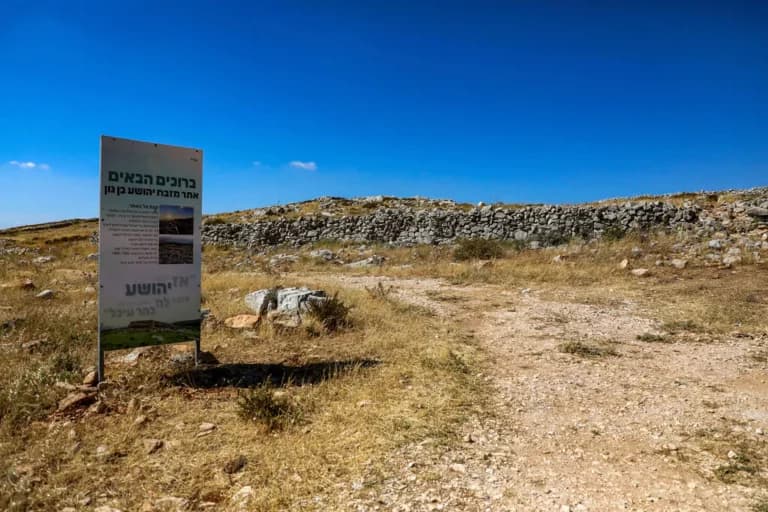
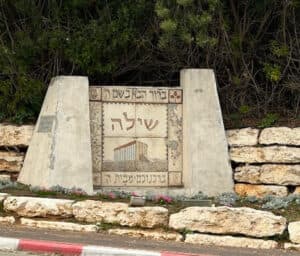
Entrance to modern Israeli community of Shilo. | Photo: Leah Bean Bowman
Located in the heart of biblical Israel in the land of Benjamin, Ancient Shiloh is a place that held immense significance in the life of the nation of Israel, and its relevance continues to resonate today. The ancient city of Shiloh, which served as Israel’s first capital and the center of worship, remains a testament to God’s faithfulness and His work among His people.
Visiting Shiloh is more than just an archaeological exploration; it is a spiritual journey that allows us to reflect on God’s presence, His covenant, and the challenges faced by His people throughout history.
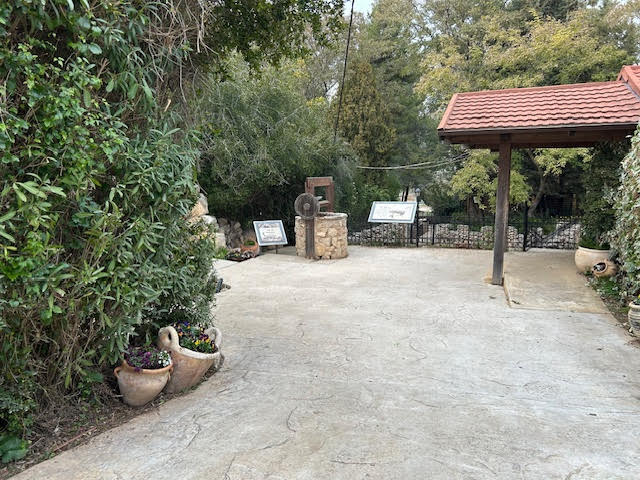
In Shiloh, Hannah Prayed and the Ark of the Covenant Was Present with the People
Shiloh is best known as the location where the Mishkan, the Tabernacle — God’s dwelling place among His people — was established after the Israelites entered the Promised Land. For nearly four centuries, Shiloh was the spiritual heart of Israel. The Ark of the Covenant, which contained the tablets of the Law, rested there, and it was the site of the major religious festivals and sacrifices, as outlined in the Torah.
The Tabernacle stood in Shiloh for approximately 369 years. According to the Bible, after the Israelites entered the Promised Land and conquered it, the Tabernacle was set up in Shiloh, where it served as the center of worship for Israel. This is recorded in Joshua 18:1, which states that the Tabernacle was established there after the land was divided among the tribes.
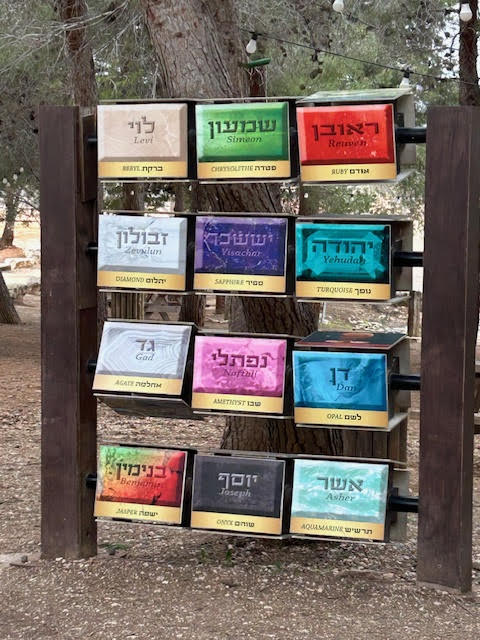
The Tabernacle remained in Shiloh until it was captured by the Philistines during a battle at Aphek in Samuel 1, Chapter 4. This event marks the end of the Tabernacle’s time in Shiloh and the beginning of a new phase in Israel’s history. After the loss of the Ark of the Covenant and the departure of the Tabernacle, Israel moved its religious center to other locations, including Nob and eventually Jerusalem.
Samuel Received Prophecy as a Child
It was in Shiloh that the young Samuel was called by God to serve as a prophet, marking a pivotal moment in the spiritual life of the nation (Samuel 1, Chapter 3). Shiloh also holds deep significance because it was the place where the nation of Israel was first organized under the authority of God after their conquest of Canaan. The Israelites gathered at Shiloh to divide the Promised Land among the tribes (Joshua 18: 1-10), symbolizing the fulfillment of God’s promises to the patriarchs. In this sense, Shiloh represents a tangible reminder of God’s faithfulness to His covenant with Israel. Just as He had promised Abraham, Isaac, and Jacob, the people of Israel were now able to possess the land.
In Shiloh the People Experienced Loss
However, Shiloh is not only a site of celebration and fulfillment; it is also a place that reflects the challenges and spiritual failures of the Israelites. Despite its initial significance, the Tabernacle at Shiloh was eventually abandoned after the Ark of the Covenant was captured by the Philistines (Samuel 1, Chapter 4). This loss signaled a tragic turn in Israel’s spiritual history, as the people’s disobedience and lack of faith led to a loss of God’s favor. This teaches an important lesson for believers today—that even in places where God’s presence was once profoundly felt, disobedience and a hardened heart can lead to His withdrawal.
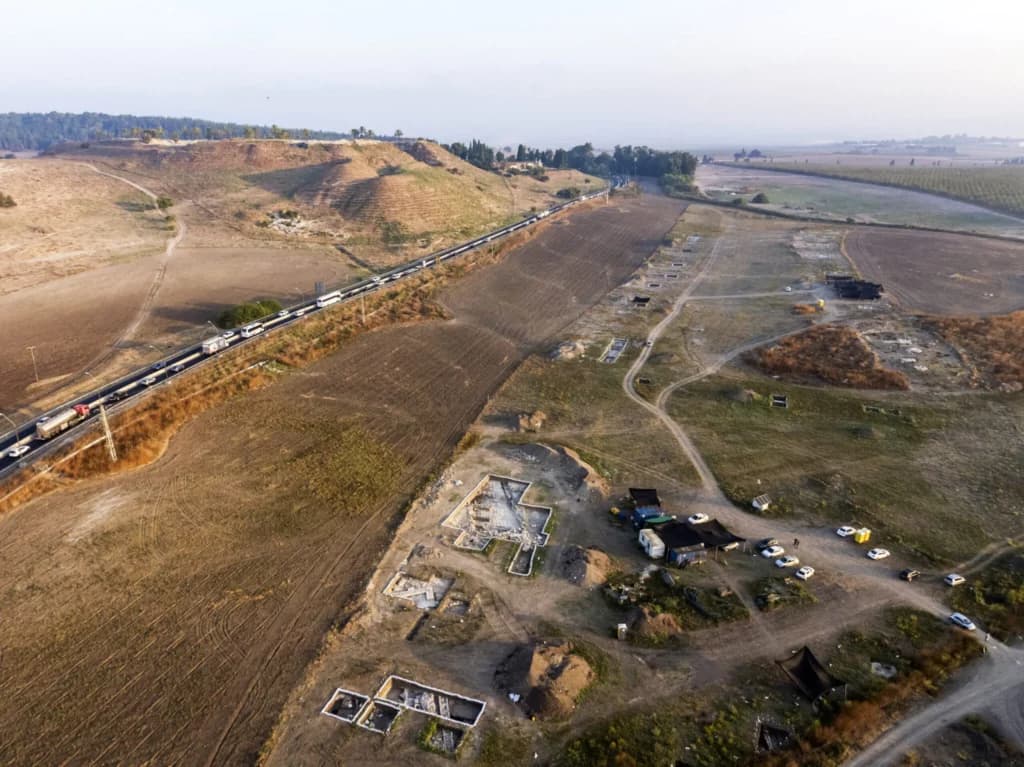
Visiting Shiloh today allows believers to reflect on the importance of remaining faithful to God’s Word and His commands. The archaeological remains of the site, including remnants of the Tabernacle’s altar and ancient city walls, provide a vivid connection to the past, but they also challenge us to consider our own spiritual lives. Just as Shiloh was a place of revival and renewal, it is also a reminder of the need for repentance and wholehearted devotion to God. Shiloh’s long history illustrates both the blessings of faithfulness and the consequences of turning away from God.
Shiloh Reminds us of the Centrality of God in Our Lives
In today’s world, Shiloh offers more than just a historical perspective. It serves as a reminder of the centrality of God’s presence in our lives. Just as the Israelites once gathered in Shiloh to seek God’s guidance and to offer worship, we are reminded of the importance of worship and belief.
Shiloh also holds a unique place in the prophetic future. In the Book of Jeremiah, Shiloh is mentioned as a warning to the people of Judah that, just as God had once abandoned His dwelling place in Shiloh due to disobedience, He could withdraw His favor from them as well (Jeremiah 7:12-14). This serves as both a historical lesson and a prophetic warning, reminding us that God’s presence is not to be taken for granted. His covenant is a sacred trust that requires faithfulness.
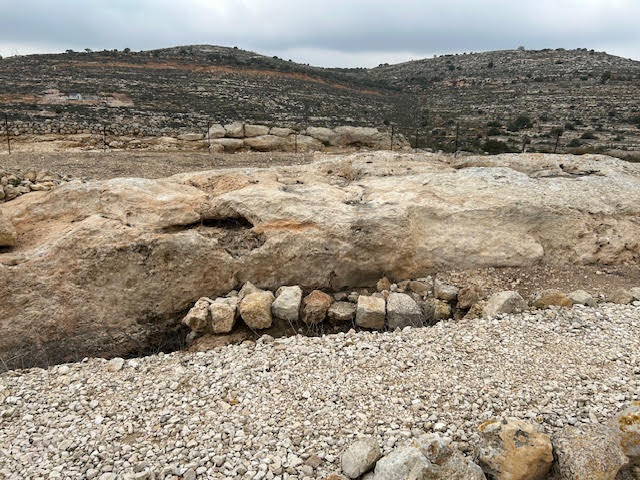
A visit to the ancient site of Shiloh offers a unique opportunity to connect with the biblical past, reflect on God’s promises, and learn from both the triumphs and the mistakes of Israel. As we explore Shiloh, we are reminded of God’s faithfulness to His people, but also called to evaluate our own journey. And don’t forget to notice the ancient sherds all around the paths; after all, you’re on an ancient ‘tel’, a mound made up of layers of history. if you don’t tell anyone I said so, find a few to take home as a reminder of this special site, sure to stay in your heart for a long time.
Ruthie Jaffe Lieberman is a licensed tour guide with a political consulting firm on the side. Her passion is the Land of Israel and she’s completing a Masters in archaeology focused on the Israelite kingdom in the 8th century BCE. She can be reached at jaffestrategies@gmail.com.
Discussion0
No comments yet — be the first to share your thoughts.