Colombia Embassy in Jerusalem Draws Hamas Condemnation
Colombia became the tenth country with an embassy in Jerusalem, drawing condemnation from Hamas as Israel celebrated another diplomatic gain for its capital
Sinai Desk
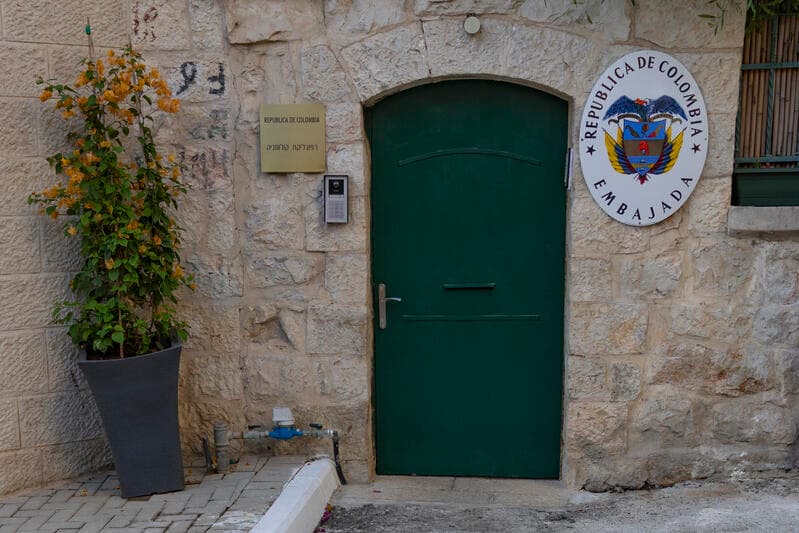
The Colombia embassy in Jerusalem has drawn condemnation from Hamas just two days after Bogotá formally opened its new diplomatic mission in Israel’s capital. Colombia became the tenth country with an embassy in Jerusalem on October 14, marking a major shift in relations under President Abelardo de la Espriella. Israeli Foreign Minister Gideon Sa’ar and Colombian Foreign Minister Omar Bula Escobar attended the inauguration.
Sa’ar celebrated the opening as both a bilateral milestone and another diplomatic gain for Jerusalem. “This is the tenth embassy to open in Jerusalem,” he said. “Since I took office, less than two years ago, the number of embassies in Jerusalem has doubled. With God’s help, there will be more. Soon.”
Psalm 137:5 declares, “If I forget thee, O Jerusalem, let my right hand forget her cunning.” For the Jewish people, Jerusalem is not simply a modern administrative capital. It has stood at the center of Jewish prayer, memory and national identity for thousands of years. That history gives diplomatic recognition of the city significance far beyond the opening of another embassy.
Colombia Embassy in Jerusalem Marks a Major Shift
The move reverses the direction Colombia took under former President Gustavo Petro. Petro severed diplomatic relations with Israel in 2024 amid the Gaza war. De la Espriella restored relations after taking office and moved quickly to rebuild cooperation with Jerusalem. Colombia also restored its free trade agreement with Israel this week.
Colombian Foreign Minister Omar Bula Escobar called Israel a strategic partner during the embassy ceremony. Colombia’s Foreign Ministry described the opening as a major step in restoring bilateral relations and creating a new platform for political and international cooperation.
Sa’ar said Colombia’s decision recognizes both a political reality and the historical connection between Jerusalem and the Jewish people. He also noted that the number of foreign embassies in the capital had risen from five to ten during his tenure.
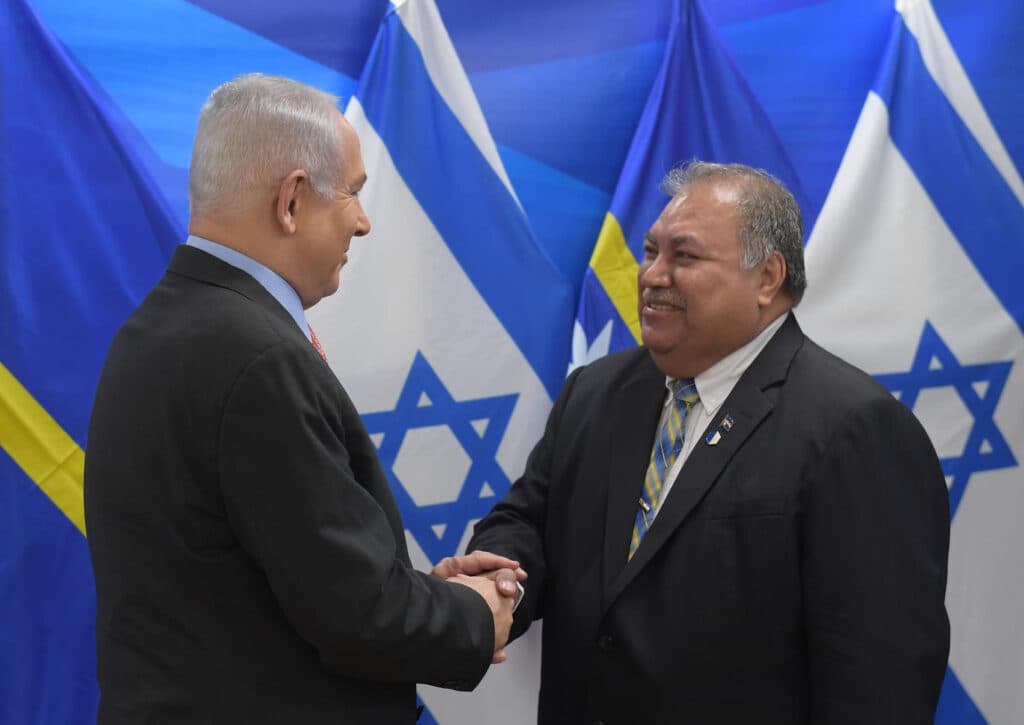
The development follows another recent diplomatic milestone examined in “Nauru Embassy in Jerusalem Opens With Biblical Message.” Nauru’s embassy opening likewise paired diplomatic recognition with an explicit acknowledgment of the Jewish people’s connection to the land. Colombia’s move now adds one of Latin America’s largest countries to the growing group of states maintaining embassies in Jerusalem.
The United States remains the most consequential precedent. President Donald Trump recognized Jerusalem as Israel’s capital in 2017 and moved the U.S. Embassy there in 2018. Colombia’s decision places Bogotá alongside Washington and a small but expanding group of governments willing to locate their formal diplomatic representation in the city.
Hamas Condemns Colombia’s Decision
Hamas responded Thursday with a sharp denunciation. The terrorist organization said it “strongly condemns” Colombia’s decision and described the embassy opening as a violation of Palestinian rights, international law and United Nations resolutions concerning Jerusalem.

“We strongly condemn the decision of the Colombian government to open an embassy in occupied Jerusalem,” Hamas said. “We view this step as a blatant violation of the rights of our Palestinian people and an explicit breach of international law and UN resolutions, which reject any change to the legal status of Jerusalem.”
Hamas called on Colombia to reverse the move. The Palestinian Authority, Jordan, Turkey and Qatar have also criticized the embassy opening, arguing that Jerusalem’s final status should remain subject to negotiations.
Israel rejects the description of Jerusalem as merely a disputed diplomatic question. Israeli law identifies the united city as the country’s capital, and Israel’s central institutions operate there. Most foreign governments, however, continue to maintain embassies in the Tel Aviv area because of disputes surrounding the city’s final status.
The clash is especially notable because Hamas itself launched the October 7, 2023 attack that began the current era of regional conflict. The organization’s condemnation now places it directly against a Latin American government that has chosen closer diplomatic and economic relations with Israel.
Colombia’s shift also demonstrates how quickly international alignments can change. Under Petro, Bogotá became one of Israel’s strongest critics in Latin America. Under de la Espriella, it has restored trade ties, reopened diplomatic relations and placed its embassy in Jerusalem.
Jerusalem, Covenant and Diplomatic Recognition
Jerusalem carries separate but closely connected meaning for Israel and the United States. Israel’s covenantal identity before God is inseparable from Jerusalem, which has stood at the heart of Jewish national and religious life since the biblical period. Modern diplomatic recognition therefore touches a question much older than contemporary borders or international institutions.
America’s covenantal tradition developed through a different historical path, centered on religious liberty, representative government and national self-determination. Trump’s Jerusalem decision reflected the American position that Israel, like other sovereign states, can designate its capital and locate its government there.
Colombia’s embassy does not resolve every international dispute surrounding Jerusalem. Nor does it determine the future of negotiations between Israel and the Palestinians. It does, however, represent a clear sovereign decision by Bogotá about where it chooses to conduct its diplomacy with Israel.
For Jerusalem, the trend itself is significant. Sa’ar began his tenure with five foreign embassies in the capital. Colombia has now become the tenth, and the Israeli foreign minister says more are expected.
Hamas can condemn that movement, and other governments can dispute its legal implications. Yet Colombia’s decision shows that the diplomatic argument over Jerusalem is no longer moving in only one direction.
For more stories on Israel, faith, and the values behind the headlines, follow Sinai on Facebook and Instagram.
Discussion0
No comments yet — be the first to share your thoughts.